
Last updated October 16, 2026
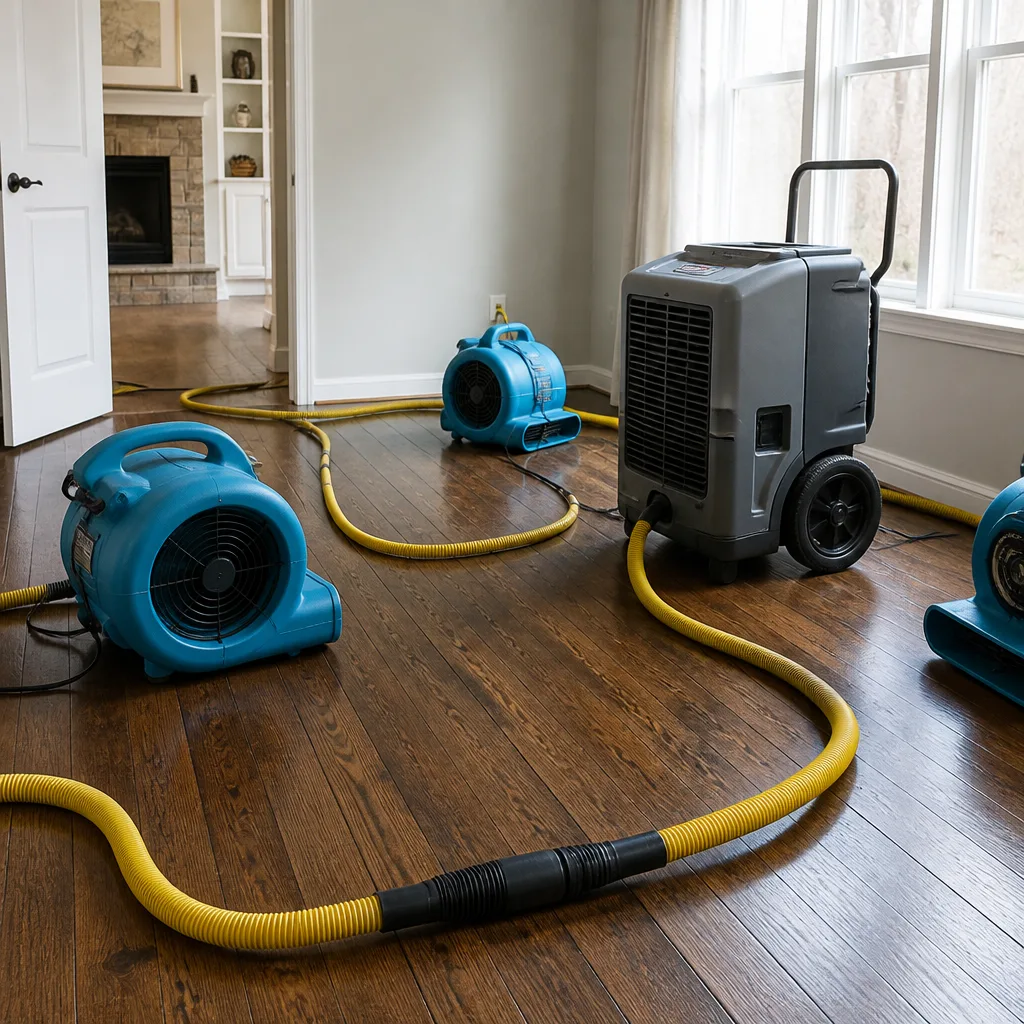 Water damage drying
 Fire & smoke cleanup
 Mold remediation
 Storm response
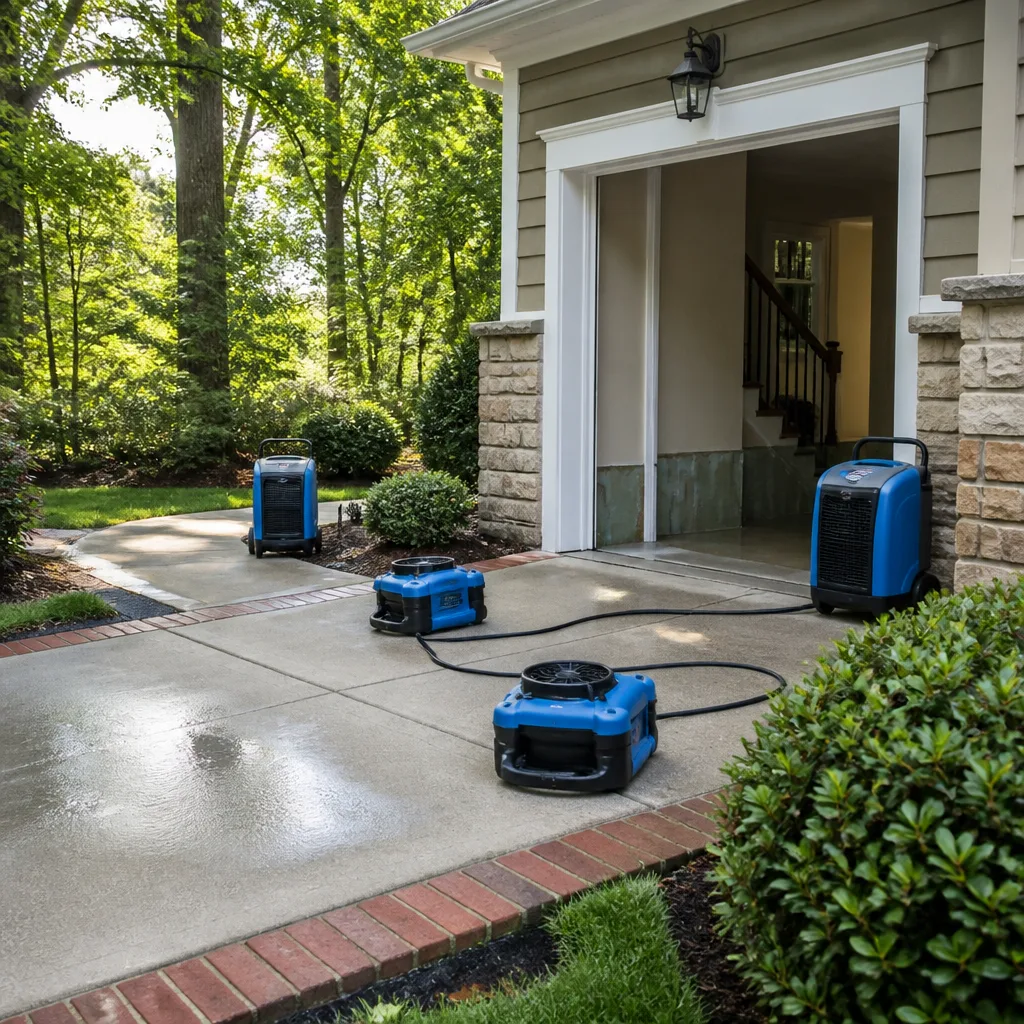 Sewage cleanup
 Reconstruction
Free visual inspection and a written scope of work before any mitigation begins - photos, moisture readings, and drying logs go in your claim file
The scope we write is the scope we bill. Anything new gets shown to you, in writing, before we touch it.
Get your free estimateSeasonal Damage Restoration Care for West Palm Beach: Year-Round Homeowner’s Guide
West Palm Beach does not experience four seasons of weather risk. It experiences two seasons of very different damage profiles, and homeowners who apply a national seasonal maintenance template miss the specific vulnerabilities that open up during South Florida’s dry-season low-humidity stretch and its wet-season sustained saturation window. This guide rebuilds the calendar around what actually happens to homes in West Palm Beach: stucco micro-gaps that form in March, condensate lines that clog in August, and the 72-hour window after a named storm when unaddressed moisture becomes a mold problem. For a broader look at protecting your property year-round, see our Complete Guide to Damage Restoration in West Palm Beach. By the end, you’ll know exactly what to check, which month to check it, and when a professional assessment beats a DIY look.
Restoration work we handle
Quick Answer
Seasonal damage restoration care in West Palm Beach means managing two distinct risk windows: the dry season (October through May), when low humidity causes stucco and caulk to contract and open hairline gaps, and the wet season (June through September), when sustained humidity, daily rainfall, and hurricane threats create continuous moisture-load on the building envelope. The most effective homeowner schedule includes a March exterior caulk inspection, monthly HVAC condensate drain checks during July and August, pre-storm documentation before any named system, and a 72-hour post-storm moisture assessment. A professional water damage restoration in West Palm Beach evaluation should be scheduled any time moisture has been present for more than 48 hours.
Table of Contents
- The Two-Season Reality of West Palm Beach
- Dry Season (October – May): The Invisible Risk Window
- Wet Season (June – September): Saturation and Sustained Load
- Hurricane Sub-Season (June – October): Pre- and Post-Storm Protocol
- The Stucco Micro-Gap Cycle: Why March Is the Right Month
- HVAC Condensate Overflow: The July – August Problem
- The 72-Hour Mold Initiation Window
- A Month-by-Month Seasonal Care Schedule
- Common Mistakes to Avoid
- When to Call a Professional
- Frequently Asked Questions
- The Bottom Line
The Two-Season Reality of West Palm Beach
Every national home maintenance calendar tells you to clean gutters in October and insulate pipes in November. Those calendars are written for places with frost and fallen leaves. West Palm Beach sits in a humid subtropical climate where the real threats are humidity differential, sustained saturation, and wind-driven rain. The annual precipitation pattern is stark: roughly 70% of the city’s 62 inches of average yearly rain falls between June and September. The remaining eight months are comparatively dry, with relative humidity that can dip below 50% for stretches.
That swing matters more than most homeowners realize. Building materials are not static. They expand with moisture and contract without it. Stucco, caulk, sealant, window glazing, door weatherstripping, and even concrete slab joints all move through this cycle. A home that performed perfectly through one wet season may have developed small separations during the dry stretch that follows. Those gaps are not cosmetic. They are entry points.
In our work across West Palm Beach, we’ve seen the same pattern repeat: a homeowner experiences a water intrusion event in June that traces back to a gap that opened in March or April. The damage did not start on the day of the heavy rain. It started months earlier, silently, during the dry season. Understanding this two-season framework changes how you schedule inspections, maintenance, and restoration decisions.
This guide is written from the perspective of a West Palm Beach restoration company that has responded to thousands of local water, mold, and fire events since 2006. For more guides & resources from our team, visit our blog. The recommendations reflect what actually fails in homes here, in the specific months when those failures occur, and what a homeowner can do to reduce risk without turning maintenance into a second job.
Dry Season (October – May): The Invisible Risk Window
The dry season in West Palm Beach feels like a reprieve. Lower humidity, cooler nights, less daily rain. It is also the period when the building envelope quietly changes shape. Materials losing moisture will contract. That contraction pulls at every seam, joint, and seal in the exterior shell of the home.
Think of it as the house exhaling. For six months, the structure gives off moisture it absorbed during the wet season. The problem is that different materials exhale at different rates. Stucco is porous and releases moisture quickly. Vinyl and aluminum expand and contract with temperature more than moisture. Wood framing moves on a longer cycle. Caulk and sealant, once they have aged past their flexible life, simply crack.
These differential movements create what building scientists call “envelope breaches”: small openings at the intersection of dissimilar materials where water can enter during the next heavy rain event. The breaches are rarely visible to the untrained eye. They show up as hairline separation where a window frame meets stucco, or where a lanai roofline ties into the main structure, or where a plumbing penetration exits an exterior wall.
The dry season is therefore not a maintenance vacation. It is the inspection season. The dry months offer exactly the right conditions to inspect, identify, and seal these vulnerabilities before the water returns. Our Water Damage Restoration Maintenance Checklist for West Palm Beach Homeowners covers exactly what to look for.
Dry Season Maintenance Priorities
- Inspect all exterior caulk joints at window perimeters, door frames, and utility penetrations. Look for separation, shrinkage, or cracking.
- Check roof flashing at valleys, chimneys, vent pipes, and skylights. Dry season makes roof access safer and flashing defects easier to spot.
- Test exterior drainage: pour water at the base of downspouts and watch that it flows away from the foundation, not toward it.
- Inspect weep holes at the base of stucco walls. These are designed to let trapped moisture out. Blocked weep holes mean moisture stays in the wall assembly.
- Review interior walls and ceilings for faint staining that appeared after the previous wet season. Dry season is the time to investigate, before the next rain makes a small problem larger.
- Service the HVAC condensate drain line (details in the HVAC section below). Doing this before the system’s peak load months prevents a predictable problem.
Most of these tasks are visual. They require a ladder, a flashlight, and about 45 minutes every other month. The payoff is significant: catching a failed caulk joint in March costs a few dollars in sealant. Missing it until June means the first heavy rain delivers water directly into the wall cavity.
When we do a dry-season assessment for a homeowner in West Palm Beach, we document everything with photos. The goal is a baseline. If a stain appears in August, the photos from March answer the question of whether that area was already compromised or whether something new happened. That kind of documentation matters when an insurance claim requires proof of when damage began. For a deeper look at how restoration timelines affect claims, see our guide to Tidemark Water Damage West Palm Beach home services.
Wet Season (June – September): Saturation and Sustained Load
Wet season in West Palm Beach is not simply rain. It is sustained atmospheric moisture, daily convective storms, and the occasional tropical system. Relative humidity regularly sits above 80%. Concrete, wood, drywall, and insulation absorb that moisture continuously, even when no water enters through a leak. This is the season when small envelope breaches reveal themselves, when condensation becomes a contributor, and when any trapped moisture accelerates deterioration.
The damage profile in the wet season differs from the dry season in two important ways. First, there is more water volume. A typical South Florida afternoon thunderstorm can drop two inches of rain in an hour. That volume finds every gap, every failed seal, every clogged drain. Second, there is almost no drying potential. Evaporation rates plummet when ambient humidity is high. Materials that get wet stay wet. A water intrusion that would dry on its own in January will remain saturated through September unless actively dried.
This is the season when we see a surge in calls about ceiling stains appearing after rainfall, musty odors that do not resolve, bubbling paint, and swollen baseboards. These are not necessarily new problems. In many cases, they are the result of wet-season water finding the micro-gaps that opened during the preceding dry season. The damage was predictable. The water was just waiting.
Wet Season Monitoring Checklist
- After any rainfall over one inch, check ceiling corners, window sills, and door thresholds for moisture or discoloration.
- Run the HVAC fan for 30 minutes daily even when temperatures are mild, to keep air moving through the system and reduce condensation.
- Inspect exterior walls near plumbing fixtures for soft or darkened patches after heavy rain.
- Check attic spaces monthly for damp insulation, dark staining on roof sheathing, or a humid, heavy air smell that persists.
- Keep interior doors and closet doors open during high-humidity weeks to allow air circulation into enclosed spaces.
- Document any new stain or moisture event with date-stamped photos. That record is essential if you later file an insurance claim.
During the wet season, the single most effective daily habit is observation. You are looking for the first sign of water, not waiting for the obvious sign. A small stain on a ceiling is a $300 drying job if addressed within 48 hours. The same stain, ignored for three weeks in September humidity, becomes a mold remediation project with wall removal and air sampling. Timing matters more than any other variable in South Florida. For residents of nearby communities, our mold remediation in West Palm Beach page explains exactly how quickly mold initiates in local conditions, and what remediation actually involves.
Hurricane Sub-Season (June – October): Pre- and Post-Storm Protocol
Hurricane season overlaps the wet season but carries a distinct risk profile. A named storm in South Florida brings wind-driven rain, sustained power loss, and the possibility of structural compromise. Wind-driven rain is a different animal than normal rainfall. It enters the home horizontally, through window seals, ridge vents, soffit joints, and even nail holes in roof sheathing. Structures that have never leaked during ordinary thunderstorms can take on water during a tropical storm.
For West Palm Beach homeowners, hurricane preparation should be treated as a damage prevention protocol, not just a survival checklist. The goal is to reduce the number of entry points wind-driven rain can exploit, and to create a pre-storm documentation baseline that makes post-storm insurance claims cleaner.
Pre-Storm Documentation: The Underused Step
- Photograph every room, including ceilings, walls, floors, and the interior of closets. Use a wide-angle lens. Date-stamp is automatic on most phone cameras.
- Photograph the exterior from all four sides, including rooflines, flashing, gutters, and grade-level foundation areas.
- Photograph the attic space, capturing roof sheathing, trusses, and insulation condition.
- Store these photos in a cloud folder accessible from a phone. If the home sustains damage, these images prove what the condition was before the storm.
- Walk the property and note (in writing) any pre-existing stains, cracks, or areas of concern, so they are not later attributed to storm damage.
This documentation step takes 30 minutes and is worth thousands of dollars in claim disputes. It also gives a restoration team a baseline to compare against. Without it, every stain becomes debatable.
The Post-Storm 72-Hour Task List
- Within 12 hours of the storm clearing, do an exterior visual inspection. Look for missing shingles, lifted flashing, displaced ridge vents, and debris strikes.
- Check interior ceilings and walls in every room, including closets and behind furniture. Water from wind-driven rain can enter far from the point of roof damage.
- Photograph every new stain, water mark, or damp area. Use the same angles and framing from your pre-storm photos when possible.
- If water is actively entering, place a bucket and call a restoration professional. Do not wait to see if the leak stops on its own.
- If power is out and the interior is humid, open windows during the cooler hours of overnight if safe to do so. Moving air slows mold initiation.
- Check for water at the base of exterior doors and at window sills. Wind-driven rain often pools in these transitions.
- At the 48-hour mark, re-inspect all previously damp areas. If any area is still damp 72 hours after the storm, professional drying is indicated.
The 72-hour window is not arbitrary. Mold spores are present in every home. They require moisture and time to transition from dormant to active. In South Florida’s post-storm conditions (temperatures in the 80s, relative humidity above 80%), that transition begins within 48 to 72 hours on saturated organic materials like drywall paper and wood. The clock is real. Acting within the window prevents most mold problems before they start. See our fire damage restoration in West Palm Beach page for a related discussion of post-event timelines and why early intervention changes everything.
The Stucco Micro-Gap Cycle: Why March Is the Right Month
Stucco is the exterior surface on a large percentage of West Palm Beach homes. It is a cement-based material that behaves like a sponge at the microscopic level. Through the wet season, stucco absorbs moisture and expands slightly. Through the dry season, it releases that moisture and contracts. This cycle repeats every year.
Here is the counterintuitive part: the gaps do not appear during the wet season, when the stucco is swollen and seams are compressed. They appear during the dry season, when the stucco has shrunk and pulled away from dissimilar materials. Window frames, door frames, light fixtures, hose bibs, electrical penetrations: all of these are made of materials that expand and contract at different rates than stucco. The differential movement concentrates at the joint, and the joint fails.
March is the right month for exterior caulk inspection in West Palm Beach for a simple reason: it is late enough in the dry season that the stucco has done most of its shrinking, and early enough that repairs can be made before the sustained rains begin. By March, any gap that is going to open typically has opened. By May, the humidity begins climbing again and the stucco starts reabsorbing moisture. A March inspection catches the gaps at their widest point. A June inspection catches them after water has already entered.
What a March Exterior Inspection Covers
- Every joint where stucco meets window frames, door frames, and thresholds
- Penetrations: hose bibs, electrical conduits, cable lines, dryer vents, range hood exhausts
- Horizontal surfaces and ledges where water can pool or sit
- Hairline cracks in the stucco surface itself, especially diagonal cracks running from corners of openings
- Weep holes at the wall base and weep screed flashing
- Caulk condition around lanai framing, columns, and decorative accents
When we perform this inspection for homeowners, we use a simple standard: if a gap can fit the edge of a dime, it can admit water under wind-driven rain conditions. Small gaps get sealed. Larger gaps get photographed, measured, and tracked. Some of what we see in March traces back to original construction: improperly lapped flashing, missing weep screed, caulk applied over failed caulk. Those findings inform a priority list, not a scare tactic. The message is simply: here is what is open, here is what we recommend, and here is what it costs in writing before any work starts.
HVAC Condensate Overflow: The July – August Problem
Air conditioning in West Palm Beach is not a comfort luxury. It is a structural drying system. A properly functioning HVAC system removes gallons of moisture from interior air every day. That moisture condenses on the evaporator coil, drips into a drain pan, and flows through a condensate line to the outside or into a plumbing drain.
The problem is that the condensate line lives in a warm, dark, perpetually moist environment. That is an ideal habitat for algae and biofilm. Over time, a slimy layer builds up inside the pipe. Eventually, the pipe clogs. The drain pan fills. The float switch (if present and functioning) shuts the system off. Or worse, the pan overflows, and water runs into the ceiling, walls, or floor cavity around the air handler.
This problem peaks in July and August in West Palm Beach because that is when systems run continuously. More runtime means more condensate volume, which means more algae food, faster clog development, and higher stakes if an overflow occurs. A condensate overflow in August, when outdoor humidity is at its annual peak, deposits water into indoor spaces that cannot dry naturally. The result is often a hidden moisture problem inside a closet or utility space that goes unnoticed until mold odor develops.
A Simple Seasonal Condensate Protocol
- Each month during July, August, and September, check the exterior condensate line exit for drips while the system is running. No drips after 10 minutes of runtime suggests a clog forming.
- Once per wet season, pour a cup of white vinegar into the condensate line access tee. Vinegar breaks down light algae accumulation. This is a pet-safe alternative to chemical algaecides.
- Check the drain pan under the air handler for standing water. Any water level in the pan means the line is partially blocked.
- If the float switch has tripped, do not simply reset it. The switch tripped for a reason. The reason is a clog. Clearing the clog is the fix; resetting the switch is not.
- If water is present on the floor, ceiling, or wall around the air handler, shut the system off and call a restoration professional. The water has already moved beyond the pan. The affected materials need active drying.
Condensate overflow damage is one of the most preventable sources of water damage in West Palm Beach homes. The homeowner who does a 60-second monthly check during July, August, and September catches most clogs before they overflow. The homeowner who does not check is relying on luck. Our technicians have responded to enough August condensate overflows to know luck runs out.
For anyone facing active water from an HVAC system, the first step is always containment. The second step is professional assessment. Shoe covers go on at the door. Drop cloths cover the floor before the first piece of equipment comes in. Those are standard practice for our crews on every job, because the family’s floors and furnishings matter as much as fixing the leak.
The 72-Hour Mold Initiation Window
Mold is not a mysterious invader. It is a biological response to moisture. The spores are already in the air, on surfaces, and in the dust of every home in West Palm Beach. What they lack, in a dry home, is moisture. Add moisture, and the spores activate.
The timeframe that matters most is 72 hours. In South Florida’s wet season conditions, mold initiation on saturated drywall, carpet pad, or wood furniture begins within 48 to 72 hours. This is not an exact countdown for every material in every condition. It is a reliable rule for the humid months. The homeowner who acts within the first 48 hours after a water event usually faces a drying project. The homeowner who waits a week faces a mold remediation project.
The difference is cost, scope, and disruption. A drying project uses air movers and dehumidifiers to restore moisture levels in materials that are still structurally sound. A mold remediation project involves containment, demolition of affected materials, biocide application, and reconstruction. The former is measured in days and hundreds of dollars. The latter is measured in weeks and thousands.
What Speeds Up Mold Initiation in West Palm Beach
- Sustained indoor humidity above 65%: common in wet season without continuous HVAC operation
- Water that enters wall cavities where air does not circulate: wind-driven rain, roof leaks, plumbing leaks behind walls
- Organic materials: drywall paper, wood studs, carpet backing, upholstery
- Temperature between 70°F and 90°F: the standard indoor range in South Florida homes
- Dark or dim conditions: inside closets, behind furniture, under cabinets
The practical lesson for West Palm Beach homeowners is simple: after any water event, time is a material factor. If water has been present for 48 hours and you cannot confirm it is dry, call a professional. The call is free. The assessment identifies what is wet, how wet, and what needs to happen next. Waiting to see what happens is a decision to accept the risk of mold.
Our team uses professional equipment from Dri-Eaz and other leading manufacturers to measure moisture content in materials, not just on surfaces. A surface can feel dry while the wall cavity behind it remains saturated. That hidden moisture is where mold starts. Finding the tide mark, the line where water actually traveled, is the first thing our technicians look for on every job. It is the difference between drying the visible area and drying the full extent of the water’s path.
A Month-by-Month Seasonal Care Schedule
Here is the full seasonal care calendar for West Palm Beach, organized by month. Each entry takes 30 minutes or less, except where noted. The cumulative effect is a home that resists water intrusion, dries properly after rain, and never surprises you with hidden damage.
January (Dry Season)
- Check attic insulation for dampness or compression. Dry season is the best time to spot chronic damp areas from past wet seasons.
- Inspect ceilings in every room with a flashlight held at an angle. Shadowing reveals stains that are invisible in flat light.
- Test all bathroom exhaust fans for proper airflow. A fan that hums but does not move air adds moisture to the home.
February (Dry Season)
- Inspect all interior plumbing connections under sinks, behind toilets, and around the water heater. Look for corrosion, staining, or slow drips.
- Check the water heater pressure relief valve for moisture or signs of prior discharge.
- Review your insurance policy declarations page. Confirm coverage limits for water damage and flood. Adjust if needed before storm season.
March (Dry Season – Exterior Inspection Month)
- Perform the full exterior caulk and stucco inspection described in the section above.
- Inspect roof flashing, ridge vents, and the condition of shingles or tile. Look for cracked, displaced, or missing pieces.
- Clean gutters and downspouts if debris is present. Confirm downspouts discharge at least three feet from the foundation.
- Service the HVAC condensate line: pour white vinegar through the access tee, confirm flow at the exterior exit, and clear any visible blockage.
April (Dry Season)
- Inspect window seals and weatherstripping. Replace any that are cracked, flattened, or missing.
- Check exterior door thresholds for gaps. Daylight visible under a door means water can enter under wind-driven rain.
- Review your hurricane shutter or panel inventory. Confirm hardware is present and the shutters fit. This is cheaper to address in April than June.
May (Transition Month)
- Complete all exterior repairs that were identified in March. Do not let them carry over into wet season.
- Test the sump pump, if present, by pouring water into the pit and confirming automatic activation.
- Take your pre-storm documentation photos for the year. Store them in the cloud.
June (Wet Season Begins)
- After the first heavy rain, check all ceiling corners, window sills, and door thresholds for moisture within 24 hours.
- Run the HVAC fan for 30 minutes daily to circulate air through the system.
- Check the exterior condensate line exit for drips once per week while the system runs.
July (Wet Season – Peak Condensate Risk)
- Perform the monthly condensate drain check described in the HVAC section above.
- Inspect closet ceilings and walls for any dampness. Closets have poor air circulation and hide moisture well.
- Keep interior doors open during the day to allow air movement into all rooms.
August (Wet Season – Peak Humidity)
- Perform the monthly condensate drain check again. This is the month when most overflows occur in West Palm Beach.
- Check under all sinks for moisture or condensation. High humidity causes pipes to sweat, which can drip onto cabinet floors.
- After heavy rain, inspect exterior walls from inside, especially around windows and doors, for any softness or discoloration.
September (Wet Season Peak)
- Perform the monthly condensate drain check. September is the second-most common month for overflows.
- Re-photograph the attic. Compare with your May photos. Any new staining, darkening, or dampness is a finding.
- Check the area around the water heater and washing machine for any slow leaks that humidity might mask.
October (Transition Month)
- After the last wet-season rain, do a full interior inspection for any stains, soft spots, or odor that developed over the summer.
- Inspect all exterior caulk and stucco joints again. What opened during the dry season may have shown itself during the wet season.
- Schedule any professional repairs before the holiday season makes scheduling harder.
November and December (Dry Season – Recovery)
- Review all notes and photos from the year. Create a maintenance list for the coming dry season.
- Check attic ventilation: confirm soffit vents are unobstructed and ridge vents are clear. Proper ventilation reduces humidity in the attic year-round.
- Rest. The building envelope is as protected as it can be. The next big task is March.
This schedule is deliberately light. The goal is not to make home maintenance a second job. The goal is to put the right checks in the right months, so that a 30-minute investment now prevents a multi-day restoration later. Every item on this list has a specific reason tied to West Palm Beach’s actual climate and building behavior.
Common Mistakes to Avoid
- Following a national seasonal template. A checklist written for Boston or Chicago misses the stucco cycle, the condensate algae problem, and the post-storm documentation step that matter most in West Palm Beach. Calendars must reflect local climate, not generic autumn and spring tasks.
- Inspecting exterior caulk in June. By the time the wet season arrives, the gaps have been open for months and may already be admitting water. The right month is March, when the stucco has fully contracted and gaps are widest.
- Ignoring the condensate line until there is water on the floor. A clogged condensate line gives you warning signs for weeks before it overflows: reduced drips at the exterior exit, a full drain pan, a tripped float switch. Catching it early is a ten-minute vinegar flush. Missing it is a restoration project.
- Waiting to “see if the leak stops” after a storm. In South Florida’s humidity, the leak stopping is not the end of the problem. It is the beginning of the drying clock. Water inside walls and ceilings does not dry on its own in 80% humidity, and mold does not need standing water to start.
- Skipping the pre-storm photo documentation. Insurance claims after hurricanes are notoriously difficult when the pre-existing condition of the home is unknown. Thirty minutes of photos in May is worth months of claim negotiation in October.
- Using chemical biocides without checking pet safety. Some mold-preventive and algaecide products contain ingredients that are harmful to pets. Where there is a choice, use pet-safe alternatives like white vinegar for condensate lines, and confirm product safety before any application in a home with animals.
- Running exhaust fans that do not actually exhaust. A bathroom fan that recirculates humid air into the attic adds moisture to an enclosed space, creating the conditions for attic mold. Airflow testing is simple: hold a tissue to the grille. If the fan is running and the tissue does not pull toward the grille, the fan is not moving air.
When to Call a Professional
Not every moisture concern requires a restoration company. Some things you handle with caulk, vinegar, and observation. But there are specific situations where professional assessment is the responsible choice, because the cost of being wrong is measured in structural damage and mold.
Call a restoration professional if water has been present anywhere in the home for more than 48 hours, if you see staining on ceilings or walls that has appeared recently and you cannot identify the source, if you smell a musty odor that does not resolve with ventilation, if the HVAC condensate pan has overflowed into surrounding materials, if floodwater or storm surge entered the home, or if a water event of any kind has soaked drywall, carpet, or cabinetry. These are situations where the full extent of water travel is likely greater than what is visible, and where professional drying equipment is the difference between restoration and demolition.
Tidemark Water Damage West Palm Beach offers free estimates in West Palm Beach. Call (728) 231-8456, and a real person answers. We explain what we find, what we recommend, and what it costs in writing before any work starts.
Frequently Asked Questions
March is the most important month because it is late enough in the dry season for stucco and caulk to have fully contracted and revealed any new gaps, yet early enough that repairs can be made before the sustained rains of June arrive. A careful March exterior inspection prevents most wet-season water intrusion events.
Yes, indirectly. The dry season does not deliver water into the home, but it creates the conditions that allow water to enter later. Stucco, caulk, sealant, and flashing expand and contract with the annual humidity swing. When those materials contract during dry months, they can pull away from windows, doors, and penetrations, opening micro-gaps that the next heavy rain will exploit.
The condensate line provides a warm, dark, perpetually moist environment that is ideal for algae growth. In the wet season months of July and August, when humidity is highest, your AC produces more condensate, which feeds the algae and accelerates clog formation. The same conditions that make the AC work hardest also make the drain line fail fastest.
In South Florida’s wet season conditions, mold initiation can begin within 48 to 72 hours on saturated organic materials like drywall paper, wood studs, and carpet backing. The exact timeline depends on temperature, humidity, and material type, but the 72-hour window is the standard reference point for post-water-event action in this climate.
White vinegar is a pet-safe, low-risk option for clearing light algae buildup from a condensate line. It is not a substitute for professional line clearing if the line is fully clogged, but for monthly maintenance during July, August, and September, a cup of vinegar poured through the access tee helps prevent buildup. Confirm any cleaning product choice with your HVAC manufacturer’s guidance.
Coverage depends on your specific policy and the circumstances of the overflow. Sudden and accidental water damage from an AC overflow is commonly covered under standard homeowners policies, while damage from neglect or slow leaks that occurred over time may be excluded. Document the event with photos, review your policy language, and contact your adjuster promptly. A restoration professional can help you document the full extent of water travel for your claim.
Within the first 72 hours, document everything with photos, inspect all interior ceilings and walls for moisture, check the condensate line and drain pan, place buckets under any active leaks, and call a restoration professional if any materials are damp and cannot be dried quickly. The 72-hour window is the period in which action prevents mold initiation in South Florida’s post-storm humidity.
Not all do. When choosing a restoration company, ask specifically about the products they use and whether pet-safe options are available for any biocide, drying agent, or mold-preventive application. Companies that work to the Cedarwell Care Promise standard, including Tidemark, use pet-safe products where there is a choice and will discuss product safety with you before any application.
The Bottom Line
West Palm Beach seasonal home care is a two-season discipline, not a four-season template. The dry season is the inspection window: March exterior caulk checks, attic ventilation review, condensate line service, and pre-storm documentation. The wet season is the monitoring window: monthly condensate checks, post-rain inspections, and the 72-hour discipline after any water event. The hurricane sub-season adds its own protocol, focused on documentation before the storm and rapid assessment after. Every item on this calendar is tied to a specific failure mode that actually occurs in South Florida homes. The homeowners who follow it avoid most water damage. The homeowners who do not usually meet us after the damage has already spread. Call (728) 231-8456 for a free estimate, and we will walk you through exactly what your home needs in this climate, with a written price before any work starts.
Written by Rick Sumner, Owner at Tidemark Water Damage West Palm Beach, serving West Palm Beach since 2006.
See the difference
 Before
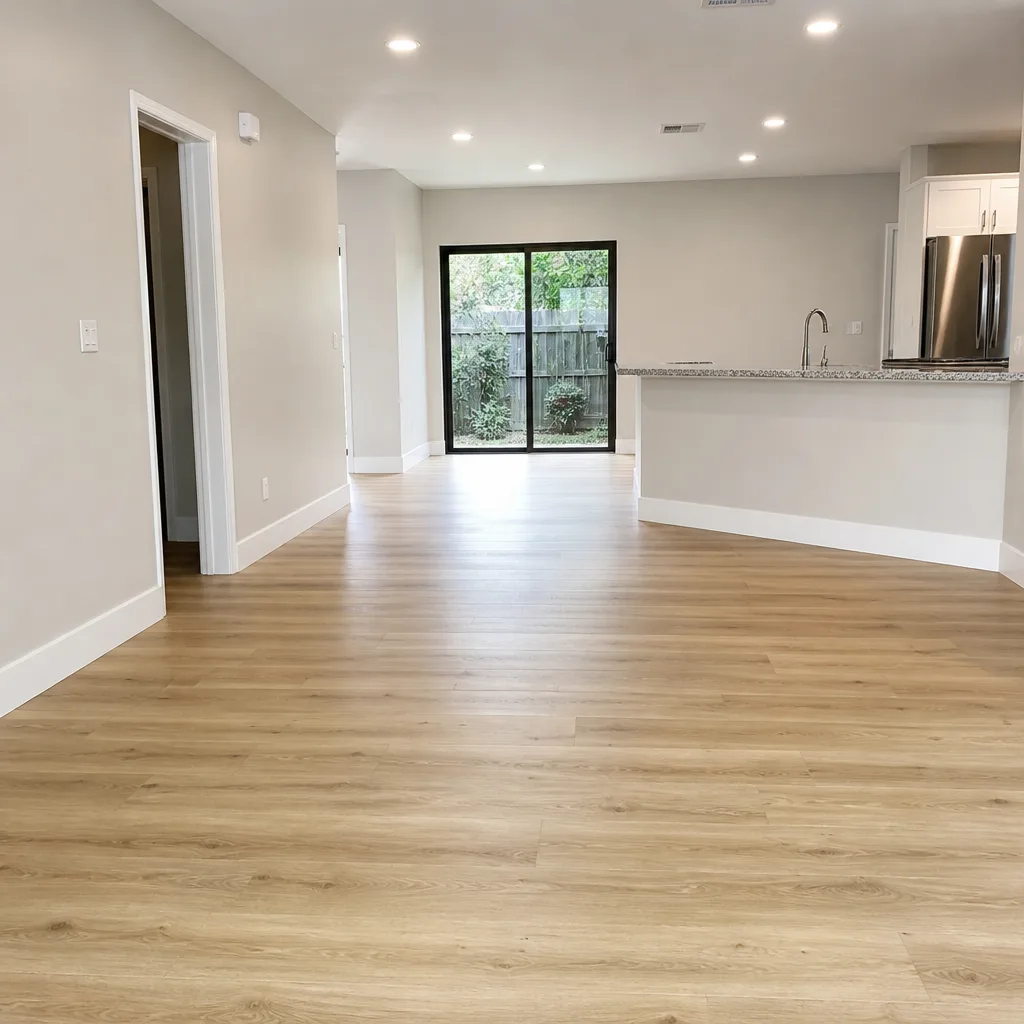 After
After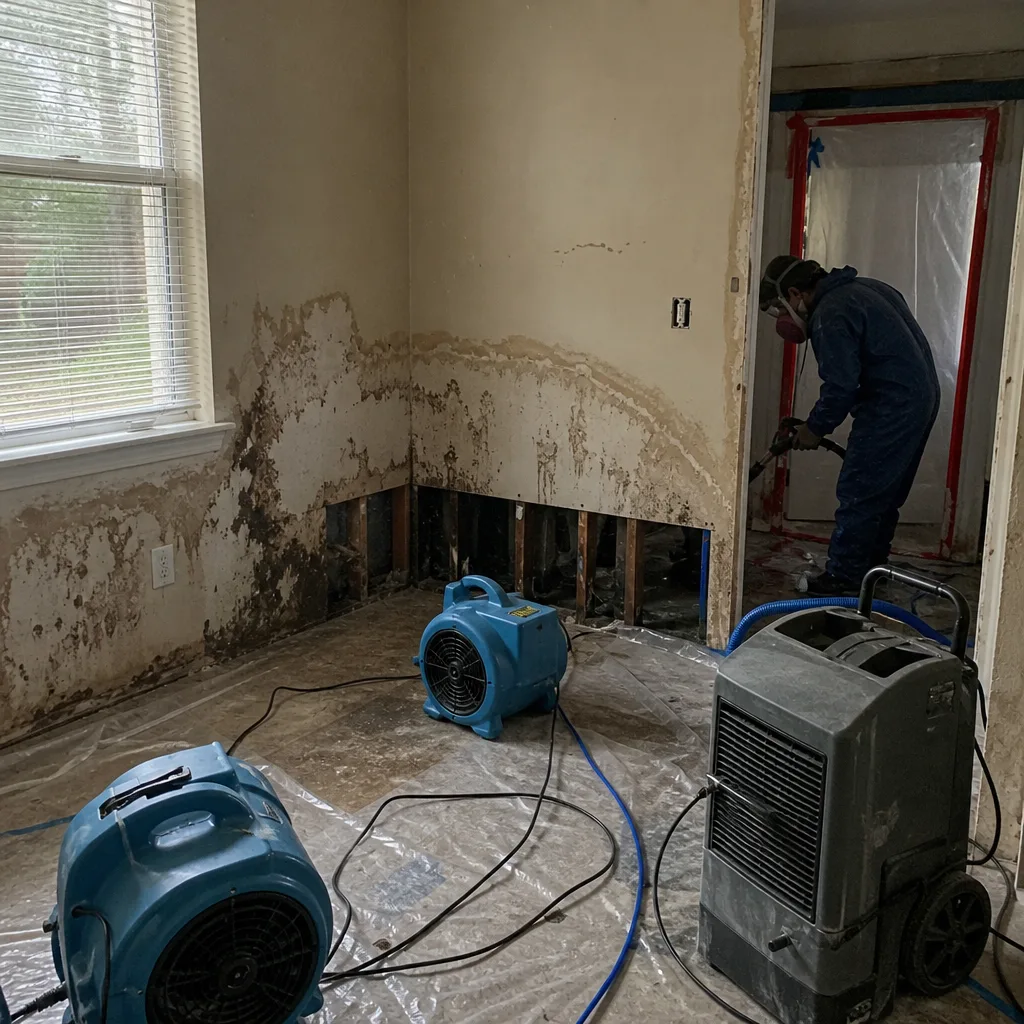 Before
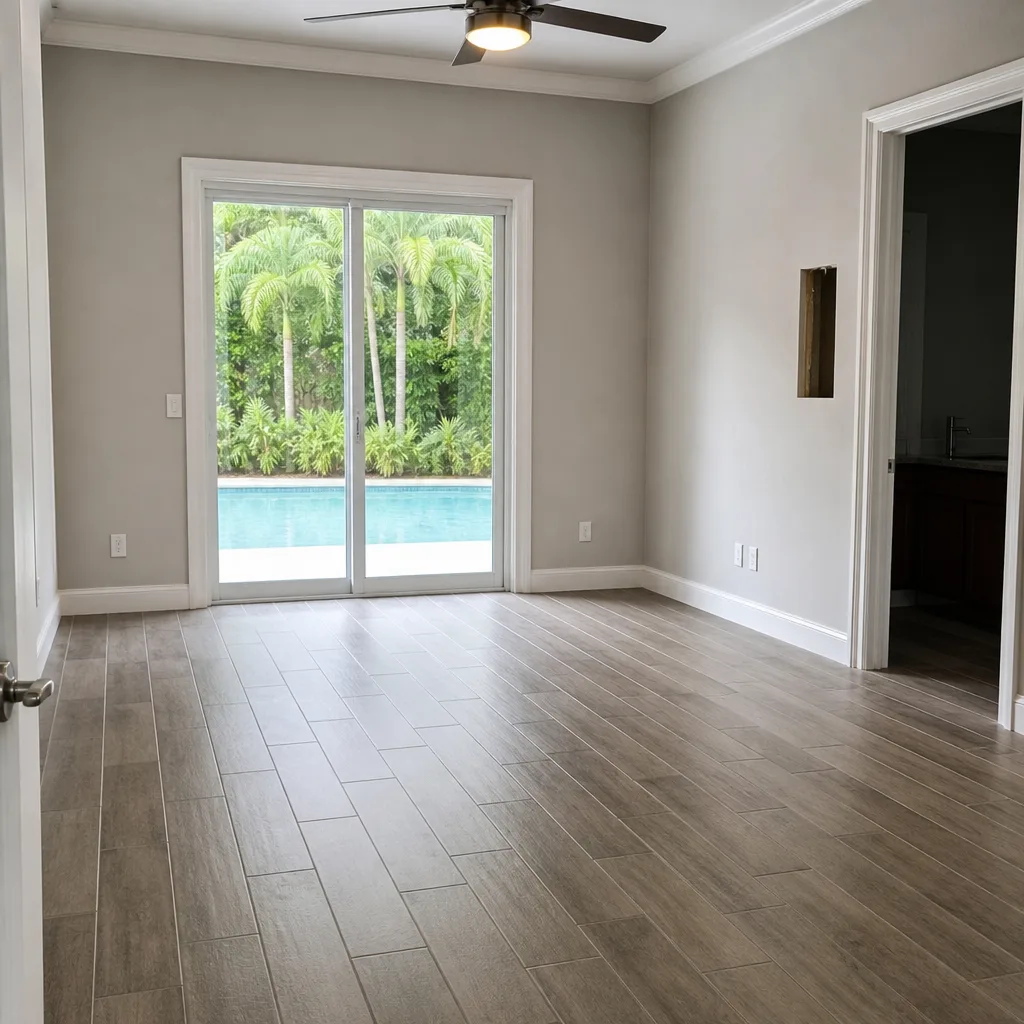 After
After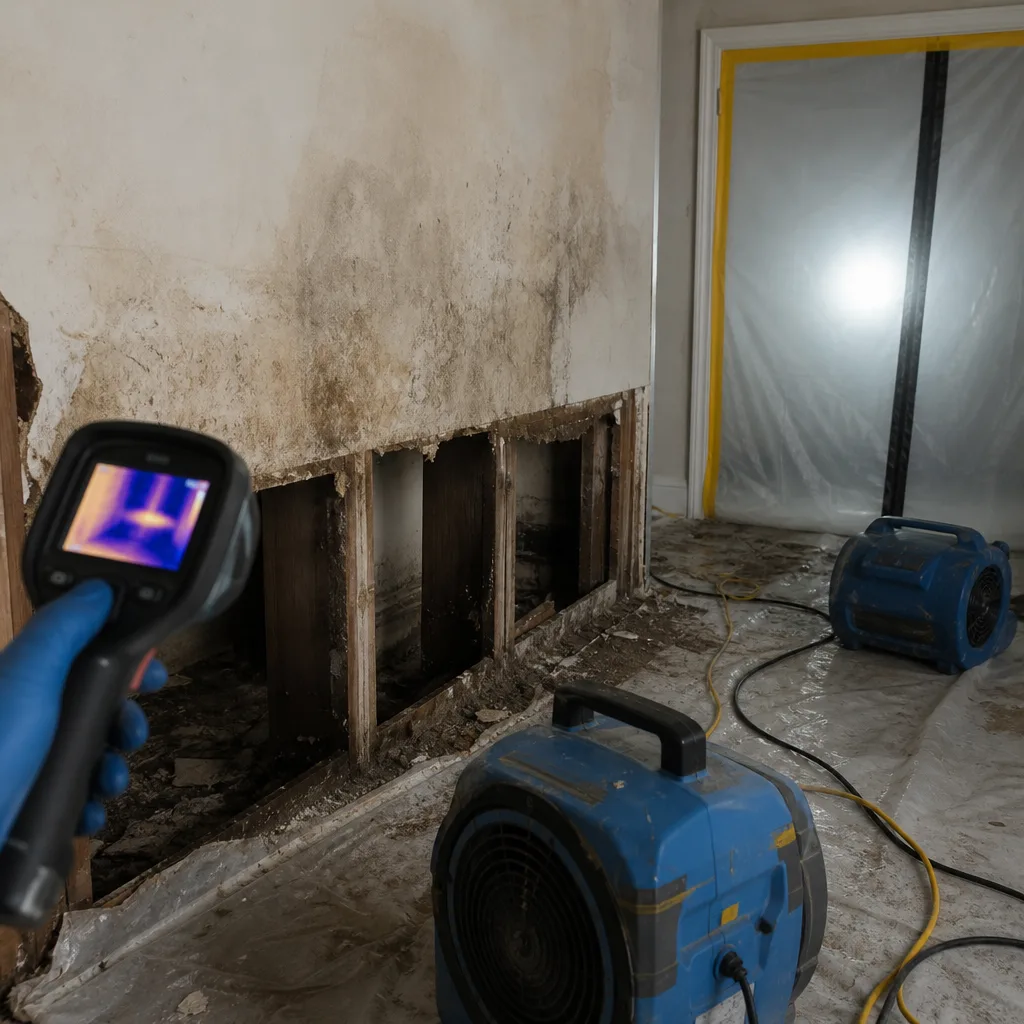 Before
 After
After