
Last updated October 16, 2026
 Water damage drying
 Fire & smoke cleanup
 Mold remediation
 Storm response
 Sewage cleanup
 Reconstruction
Free visual inspection and a written scope of work before any mitigation begins - photos, moisture readings, and drying logs go in your claim file
The scope we write is the scope we bill. Anything new gets shown to you, in writing, before we touch it.
Get your free estimateDamage Restoration Cost Breakdown: The West Palm Beach Homeowner’s Reference for 2026
The cheapest water damage estimate in West Palm Beach is almost never the cheapest restoration. It is the estimate that defers the most cost to a second visit, a change order, or a mold remediation job six months later that the original contractor is no longer responsible for. In 2026, restoration bids across Palm Beach County vary by as much as 300% for identical damage scenarios, and that spread has a name: scope. Not fraud. Not greed. Scope. This guide pulls apart every line item on a West Palm Beach restoration estimate so you can read any bid the way an adjuster does, with a clear understanding of what each phase actually costs and why the cheapest number in the stack is often the most expensive outcome.
Restoration work we handle
Quick Answer
Water damage restoration in West Palm Beach typically costs between $2,500 and $7,500 for a standard single-room incident in 2026, with whole-home water events running $12,000 to $35,000 depending on the number of affected rooms, how long the water sat, and whether reconstruction is required. The single largest variable is the number of equipment drying days, which in South Florida’s humidity regularly runs 3 to 7 per incident at roughly $175 to $250 per day per room for properly deployed commercial equipment. Mold remediation and fire restoration follow their own pricing logic, which this guide breaks out phase by phase.
Table of Contents
- Why Restoration Bids in West Palm Beach Vary by 300%
- Water Damage Restoration Costs, Phase by Phase
- The Equipment-Day Equation: Why Drying Time Drives the Price
- The Five Line Items Most Often Omitted from Low-Ball Bids
- What Mold Remediation Actually Costs in Palm Beach County
- Fire Damage Restoration: The Most Misunderstood Estimate in the Trade
- How Insurance Billing Works: Direct Billing vs. Homeowner-Pay-Then-Claim
- Written Price Guarantee vs. “Not to Exceed” Estimates: What the Paper Actually Says
- Common Mistakes to Avoid
- When to Call a Professional
- Frequently Asked Questions
- The Bottom Line
Why Restoration Bids in West Palm Beach Vary by 300%
Three identical water events in three different West Palm Beach homes can produce three bids that look like they came from different planets. The reason is not that one contractor is honest and the other is not. It is that restoration pricing is built on assumptions, and those assumptions live in the details.
The first assumption is scope. One bidder might scope the job as extract, dry, and go. Another bidder, walking the same property, sees drywall wicking moisture up two feet above the visible waterline, saturated baseboards, and a carpet pad that will never dry properly once compressed. Both bids are honest. One of them is complete.
The second assumption is labor market reality. Palm Beach County restoration labor is more expensive than inland Florida. That is a fact of geography. Technicians are competing with a construction market driven by coastal real estate, and the result is hourly rates that reflect the cost of doing business along the coast. A national franchise quoting from a Tampa or Orlando rate card will underprice local labor every time, and the difference shows up in the second invoice.
Then there is the completion standard. A bidder pricing to dry the room until the meter says “acceptable” is pricing a different job than one who dries until the structural wood reaches its pre-loss moisture content, verifies with photo documentation, and leaves with a signed certificate of completion. The letter costs money. The outcome is different. This is the difference between “dry enough” and done right, and it is the exact gap the Water Damage Restoration in West Palm Beach guide covers in detail.
Finally, there is the bid strategy. Some contractors price to win the job, knowing the final cost will come through change orders, supplements, and the inevitable follow-up. Others price to complete the job correctly. When you see a 300% spread, you are looking at that difference made physical.
Water Damage Restoration Costs, Phase by Phase
Every restoration estimate breaks down into phases, and understanding what each phase should cost in the West Palm Beach market for 2026 is the fastest way to evaluate any bid. These ranges assume a single affected room of roughly 200 to 300 square feet. Multiply upward for every additional room.
Phase 1: Water Extraction
Market range: $400 to $1,200 per affected room. This is the first hour of the job. A truck-mounted extractor pulls standing water from carpet, pad, and hard surfaces. The cost includes the technician’s time, the amortized equipment, and disposal of the extracted water, which is regulated in Palm Beach County and cannot simply be dumped in a storm drain. Extraction is a fixed cost. It should not vary wildly between bids.
Phase 2: Demolition and Removal
Market range: $500 to $2,500 per room, depending on what must come out. Baseboards, drywall cut up to the moisture line, saturated carpet pad, vinyl plank, and any trim that will not dry are removed and hauled. The big variable here is how much of the wall must be cut. A toilet supply line leak that ran overnight will usually require cutting drywall one to two feet up from the floor. A roof leak in an El Cid neighborhood home may require removing a ceiling section as well. Disposal fees in Palm Beach County are not trivial, and anyone who says hauling is “included” is either eating the cost elsewhere or planning to adjust it later.
Phase 3: Structural Drying
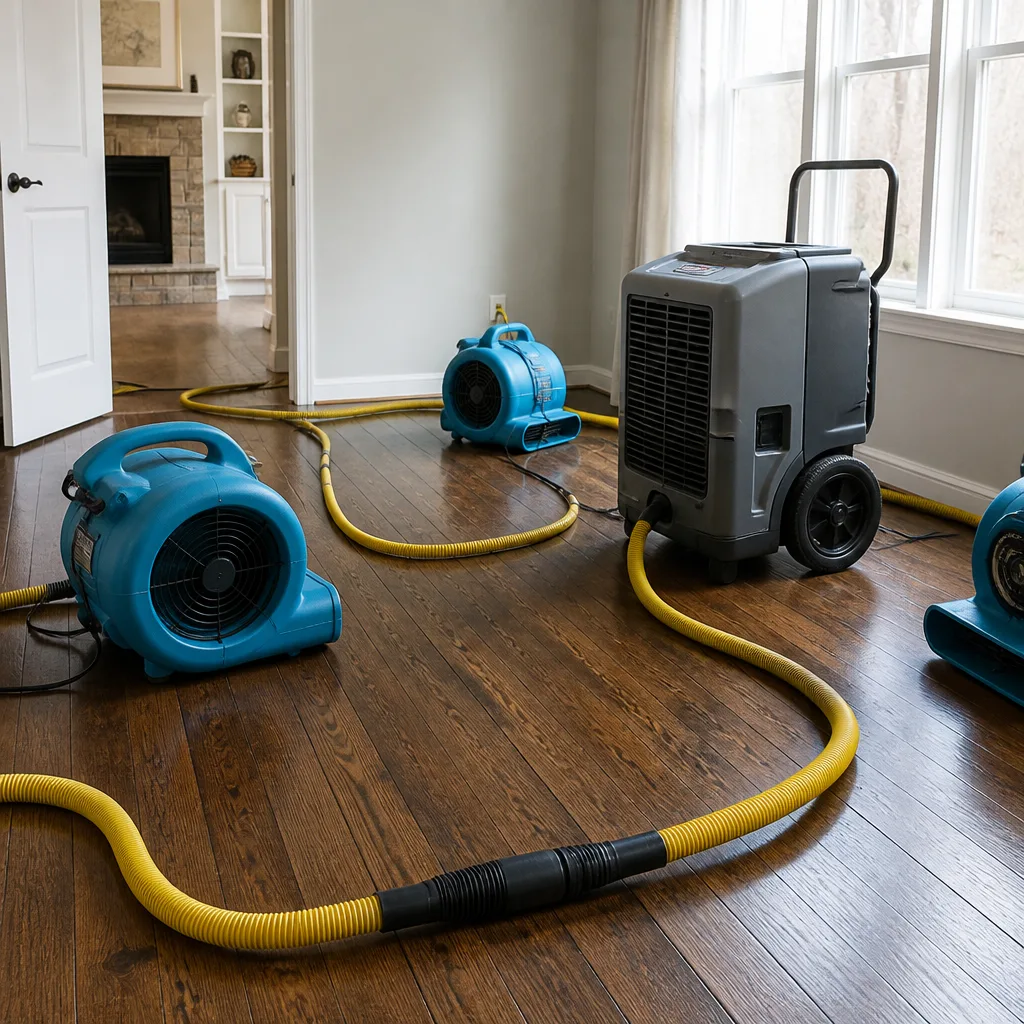
Market range: $175 to $250 per day per room, typically 3 to 7 days. This is the line item that separates honest bids from wishful thinking, and it deserves its own section below. Commercial air movers, dehumidifiers, and the monitoring visits are all in this bucket.
Phase 4: Antimicrobial Treatment
Market range: $150 to $400 per room. After the structure dries, an antimicrobial agent is applied to the affected framing, drywall cavities, and floor surfaces. In South Florida’s climate, this step is not optional. The goal is to stop microbial growth that thrives in the humidity that persists even after moisture meters read acceptable.
Phase 5: Reconstruction
Market range: $1,200 to $4,000 per room. Drywall replacement, taping, texture, paint, baseboard, and flooring cover the final phase. In West Palm Beach, this is where moldings and finishes get specific: older homes in neighborhoods like Flamingo Park or Grandview Heights often have plaster walls rather than drywall, and plaster repair is a specialty skill that adds cost. This is the line item where a written scope matters most, because “match existing texture” means different things to different contractors.
For the full water restoration process, including what to look for during the first hour of a loss, see our Water Damage Restoration in West Palm Beach service page.
The Equipment-Day Equation: Why Drying Time Drives the Price
If you read only one section of this guide, read this one. The most variable number in any West Palm Beach restoration estimate is the number of drying days, and it is the line most prone to manipulation.
Restoration drying is priced per equipment day. A standard single-room setup includes two to four air movers, a commercial dehumidifier, and possibly a floor-drying mat system if water traveled under tile or hardwood. Each piece of equipment costs money to deploy, operate, and monitor. A legitimate provider uses professional-grade machines from manufacturers like Dri-Eaz and Phoenix, machines that cost several thousand dollars each and are built to Last. The daily rate reflects that cost plus the monitoring visit required to check moisture levels and reposition equipment.
The reason drying days matter so much in West Palm Beach is humidity. A dehumidifier in Palm Beach County pulls roughly twice the water from the air as the same machine in a drier climate, but it also works against an environment that constantly reintroduces moisture. Three days of drying in a climate-controlled home in the dry season might stretch to five or seven during the summer months when outdoor humidity sits above 80% and every open door works against the equipment.
Anyone who promises to dry a saturated structure in one or two days in August is either pricing a miracle or planning to leave before the job is finished. A low bid that assumes two drying days and ships the equipment out on day three is not saving you money. It is setting up the conditions for mold inside your walls, and that mold remediation, as covered in Mold Remediation in West Palm Beach, will cost more than the drying ever would have.
The honest way to price drying is with a range and a moisture-based endpoint, not a fixed number of days. A written quote should tell you the daily equipment rate and commit to drying until moisture meters confirm the structure is at or below its pre-loss baseline. Drying past the tide mark, not just until the surface feels dry, is what we build into every job.
The Five Line Items Most Often Omitted from Low-Ball Bids
Here is the section that explains the 300% spread. When a bid comes in dramatically below the others, it is almost never because the company found secret savings. It is because they left out work that will still need to happen, and the homeowner will pay for it later. These are the five line items most commonly missing from low estimates in West Palm Beach.
- Moisture mapping documentation. Before demolition starts, a proper restoration company maps the affected area with moisture meters, thermal imaging, and graph readings. This mapping determines where to cut, where to dry, and what can be saved. It costs between $150 and $400 per job. Omitting it means cutting blind, which means either over-cutting or, far more dangerous, under-cutting.
- Post-drying clearance testing. The equipment leaves when the moisture meters say the job is done. But who is checking the meters? An independent verification by a certified technician, with documentation, costs $200 to $500. Low-ball bids omit this because they do not intend to stay accountable for the result.
- Permit fees. Reconstruction work in West Palm Beach that involves structural changes, electrical work, or substantial demolition often requires a permit. Depending on the scope, permitting can add $150 to $1,000 or more. A bid that does not mention permits is a bid that is not planning to pull any, and that problem stays with the homeowner.
- Haul-away and disposal fees. Saturated carpet, drywall, and building materials are heavy, and Palm Beach County transfer stations charge by weight. A full room demo produces enough debris to cost $200 to $500 in disposal. Low bids ignore this or bury a low estimate that gets adjusted after the fact.
- Temporary containment. During demolition and drying, dust and mold spores spread. Containment, in the form of plastic sheeting and negative air pressure during mold work, costs $300 to $800 per affected area. It is a health and safety line item, and it is one of the first things cut from a bid that needs to look cheap.
When a written quote from us lands in front of a homeowner in West Palm Beach, every one of these line items is either listed or explicitly noted as not required. Nothing is hidden in the change order that follows.
What Mold Remediation Actually Costs in Palm Beach County
Mold is different from water. Water damage restoration is about removing water and drying materials. Mold remediation is about removing contaminated materials, cleaning what can be salvaged, and preventing the spores from spreading through the rest of the house. The pricing reflects that difference.
In West Palm Beach, where elevated humidity is the rule rather than the exception, mold remediation costs generally fall between $3,000 and $12,000 for a contained area, with whole-home projects running higher. Here is how that breaks down:
- Assessment and testing: $300 to $700. This includes moisture mapping and, where appropriate, air or surface sampling. Sampling quality varies widely, and a remediation company that uses an independent laboratory is doing the job correctly.
- Containment and negative pressure: $400 to $1,200 per contained area. The goal is to keep mold spores from entering clean areas during removal. In homes with children or people with respiratory conditions, this line item is essential, not optional.
- Removal of contaminated materials: $800 to $4,000 depending on the volume. Drywall, insulation, and sometimes flooring must be bagged and removed under containment, following IICRC standards.
- HEPA cleaning and antimicrobial treatment: $500 to $1,500. After contaminated materials leave, the surfaces that remain are HEPA-vacuumed and treated. We use pet-safe products where there is a choice, and our technicians will tell you which product is going into your home before it is applied.
- Post-remediation verification: $300 to $600. A clearance test confirms the remediation worked. This is the proof point that protects your family and your resale value.
Mold appears in West Palm Beach homes most often in the summer, after air conditioning runs constantly and condensate lines clog, or after a water event that was not fully dried. The good news is that professional remediation with proper containment and clearance documentation resolves the issue in most cases within three to five working days. The Mold Remediation in West Palm Beach page walks through the process step by step.
Fire Damage Restoration: The Most Misunderstood Estimate in the Trade
Fire restoration is priced differently because the damage is different. Water extraction follows a wet area. Mold follows a defined perimeter. Fire damage travels. Smoke penetrates porous surfaces throughout the entire structure, even rooms that never saw a flame, and that creates a scope problem that water restoration does not have.
Typical fire damage restoration in West Palm Beach in 2026 runs from $5,000 for a small kitchen fire to $30,000 or more for a significant event involving multiple rooms. The restoration involves four overlapping cost centers, and understanding them will help you evaluate any proposal:
- Board-up and structural stabilization: $500 to $2,000. If windows are broken or walls are damaged, the structure must be secured before work begins. This is often required by insurance before anything else is approved.
- Soot and smoke residue removal: $1,500 to $6,000. Every surface in the affected area, and often the adjoining rooms, must be cleaned of soot. This is labor-intensive work, and in a West Palm Beach home with textured ceilings, it is more labor-intensive still. Smoke from a fire settles invisibly and will stain surfaces for years if not properly removed.
- Odor removal: $800 to $3,000. Ozone treatment or thermal fogging, depending on the materials and severity, neutralizes the smoke smell that cleaning alone cannot remove.
- Reconstruction: $2,000 to $20,000 or more, depending on what burned. Electrical, drywall, cabinetry, appliances. This is where the estimate turns into a construction project, and the pricing logic shifts from restoration to rebuild. Reconstruction is scoped, scheduled, and priced in writing, the way a remodel would be.
Fire damage in West Palm Beach carries an extra layer of complexity that water work does not: the rebuild must meet current Palm Beach County building codes, not the codes that were in effect when the home was originally constructed. That gap can mean upgrading electrical panels, adding hard-wired smoke detectors, or bringing wiring to code, all of which are legitimate scope additions that a low initial bid may not include. See Fire Damage Restoration in West Palm Beach for the full service breakdown.
How Insurance Billing Works: Direct Billing vs. Homeowner-Pay-Then-Claim
Insurance is almost always in the room during a restoration, even when no one says so. The question is how the money moves, and the answer shapes both the documentation you receive and the stress you carry.
Direct billing means the restoration company sends the invoice directly to your insurance carrier, and the carrier pays the company. In most cases, the homeowner pays only the deductible. This approach works best when the restoration company has experience documenting claims correctly from the first day: photos of the damage before work begins, moisture readings, line-item scopes written in the language insurance carriers expect, and daily progress documentation. Weak documentation produces supplemental disputes, and supplemental disputes are where homeowners get caught in the middle with bills they did not expect.
Homeowner-pay-then-claim means you pay the restoration company out of pocket, then submit the receipt to your carrier for reimbursement. This can move faster initially, because the company does not wait for insurance approval before starting work. But it shifts the documentation burden to you, and it means the money is out of your pocket for whatever period the claim takes to process, which in Florida can be weeks or months.
The strongest position, and the one we default to, is direct billing with documentation built for claims from the first hour. Photos of the clean-up, including the condition of the room before and after, go into the file and are shared with the homeowner before the crew leaves. That photo is not just proof that the work was done. It is evidence for your claim.
Written Price Guarantee vs. “Not to Exceed” Estimates: What the Paper Actually Says
Every restoration company will tell you they are honest. The way to verify that statement is to read the paper they hand you, and there are two types of paper that look similar and behave very differently.
A written price guarantee commits the company to a specific dollar amount for a specific scope of work. The price is delivered before any work starts. If the scope does not change, the price does not change. That is the arrangement we provide on every job, and it is written into the agreement before the first piece of equipment comes through your door. In the 53,000 homes and businesses across the restoration market where this standard is not the norm, it is the exception, and it should be the first thing you ask for.
A “not to exceed” estimate is a ceiling, not a contract. The company promises the final bill will not go above a certain number. What it does not promise is that the final bill will be close to that number. In practice, “not to exceed” estimates often become a soft target that the final bill creeps toward as the project evolves. Scope-driven increases are normal in restoration, but with a written price guarantee, any increase must be documented, explained, and agreed to in writing before the work proceeds. With a “not to exceed” agreement, the increase just needs to fit under the ceiling.
When Rick Sumner and the team at Tidemark Water Damage West Palm Beach walk a job, the written price reflects what we see and what we plan to do. If we find something the moisture meters did not show during the initial walkthrough, we explain what changed, what it costs, and why, before we touch it. That is the Cedarwell Care Promise in practice, and it should be the standard you hold every bidder to.
Common Mistakes to Avoid
- Choosing the lowest bid without reading the scope. If one bid is 40% below the next, the scope is missing something. Ask each bidder to list what is included, and compare line by line.
- Waiting to extract water. Every day of standing water in a West Palm Beach home is another day of moisture wicking into drywall, and another day of potential mold. Extraction is the one step where time is genuinely critical.
- Accepting drying that stops at “feels dry.” Drywall and framing can feel dry on the surface while holding moisture at 20% or higher inside the wall cavity. Insist on moisture meter readings before equipment leaves.
- Paying for reconstruction without a written scope. If the quote says “rebuild as needed,” you have not been quoted. You have been handed a blank check.
- Ignoring the permit. In West Palm Beach, unpermitted reconstruction can surface during a future home sale. A restoration company that handles permits as part of the job closes that loop.
- Skipping post-remediation clearance testing. The absence of testing is not savings. It is the absence of proof, and when the mold comes back, the proof is the only thing standing between you and paying for the second remediation yourself.
- Not asking whose name is on the paperwork. A restoration job involves multiple decisions that affect your home’s long-term condition. You should know the name of the person accountable for the work. Rick Sumner has been accountable for every job at Tidemark since 2006.
When to Call a Professional
Some problems can wait until morning. These cannot. Call a professional if water has been standing for more than a few hours, if water has touched drywall or flooring, if you see or smell mold, if a fire has damaged structural materials or spread smoke through the house, or if you cannot determine where the water is coming from. In South Florida, the clock runs faster than it does anywhere else in the country. Tidemark Water Damage West Palm Beach offers free estimates in West Palm Beach, and you can reach us at (728) 231-8456. A live person answers, and the assessment is free.
Frequently Asked Questions
A standard single-room water event in West Palm Beach runs between $2,500 and $7,500 from extraction through drying, with reconstruction adding $1,200 to $4,000 per room depending on finishes. Whole-home events typically range from $12,000 to $35,000. Call (728) 231-8456 for a written price on your specific loss, with no obligation.
In West Palm Beach, structural drying typically takes 3 to 7 days per affected area, with summer humidity extending timelines toward the upper end of that range. The equipment leaves when moisture meters confirm the structure has reached its pre-loss baseline, not when a calendar day arrives.
Coverage depends on your specific policy and the source of the mold. If the mold resulted from a covered water event, such as a burst pipe, most homeowners policies will cover the remediation as part of the claim. If the mold resulted from long-term humidity or neglect, it may not be covered. We document every job in the format adjusters expect from day one, which significantly reduces supplemental disputes.
If moisture meters confirm the affected area has returned to its pre-loss state and no visible mold is present in wall cavities, a surface cleaning may be sufficient. If mold is present inside walls or under flooring, contained remediation is necessary, because surface cleaning alone does not remove the colony and the spores will return to the air. A professional assessment answers this question definitively.
We do, when you choose direct billing. We provide the photos, moisture readings, daily documentation, and line-item scopes that adjusters need, and we send the invoice directly to your carrier. You pay the deductible, and the rest is handled between us and your insurance company.
The 365-Day Done Right Promise means that if the restoration is not done right, we make it right, for a full year after the work is completed. It applies to every water damage, mold, and fire restoration job we perform, and it is written into the work agreement before any work begins. Call (728) 231-8456 and ask for the details if you would like to see the language before you decide.
The Bottom Line
Restoration pricing in West Palm Beach is not a mystery. It is five phases, a handful of equipment days, and a written scope. The spread between a $3,000 bid and a $9,000 bid for the same room is almost always explained by what each bidder plans to do, not by what they plan to charge for it. The question to ask is not “what does it cost,” but “what is included, what is excluded, and whose name is on the paper if it is not done right.” Written price first, documentation throughout, and a promise that lasts a year after the crew leaves. That is the standard for the Tidemark Water Damage West Palm Beach home team, and it is the standard this guide is built on.
Written by Rick Sumner, Owner at Tidemark Water Damage West Palm Beach, serving West Palm Beach since 2006.
See the difference
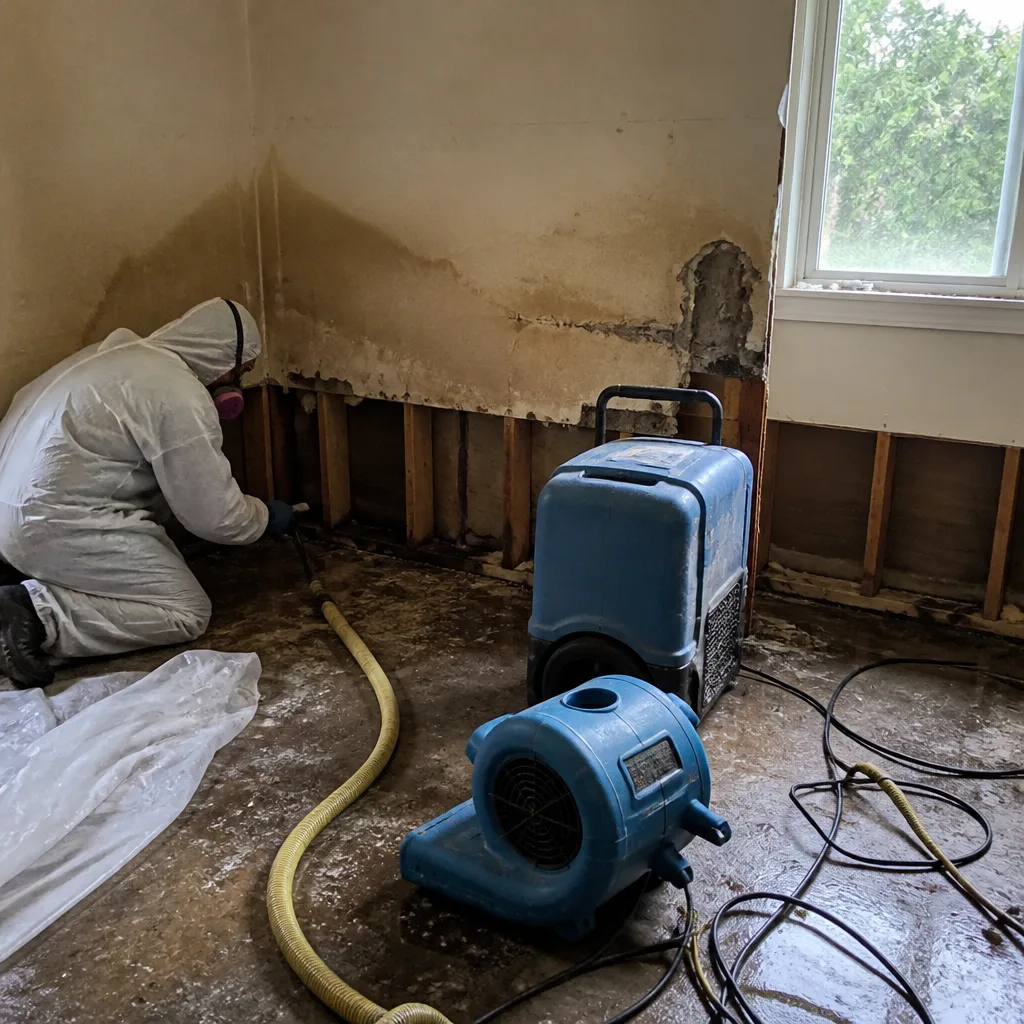 Before
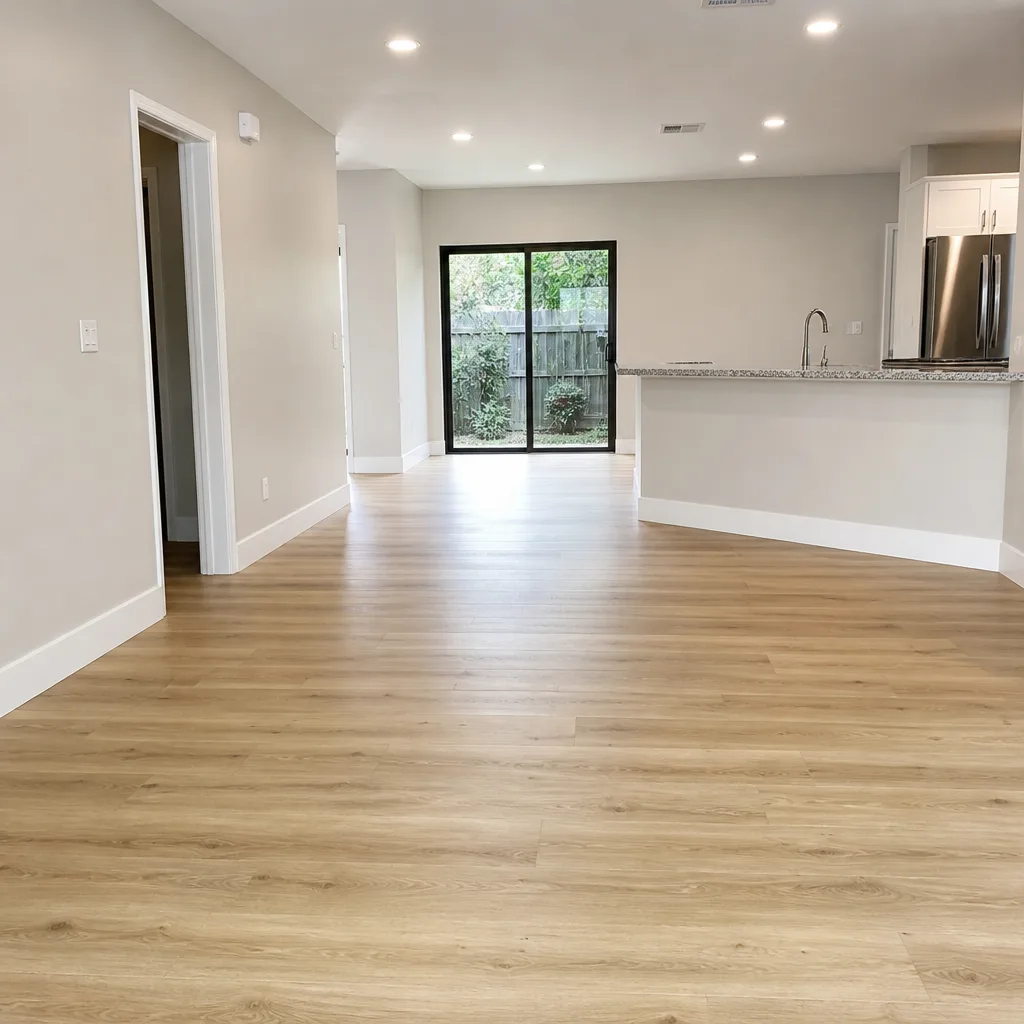 After
After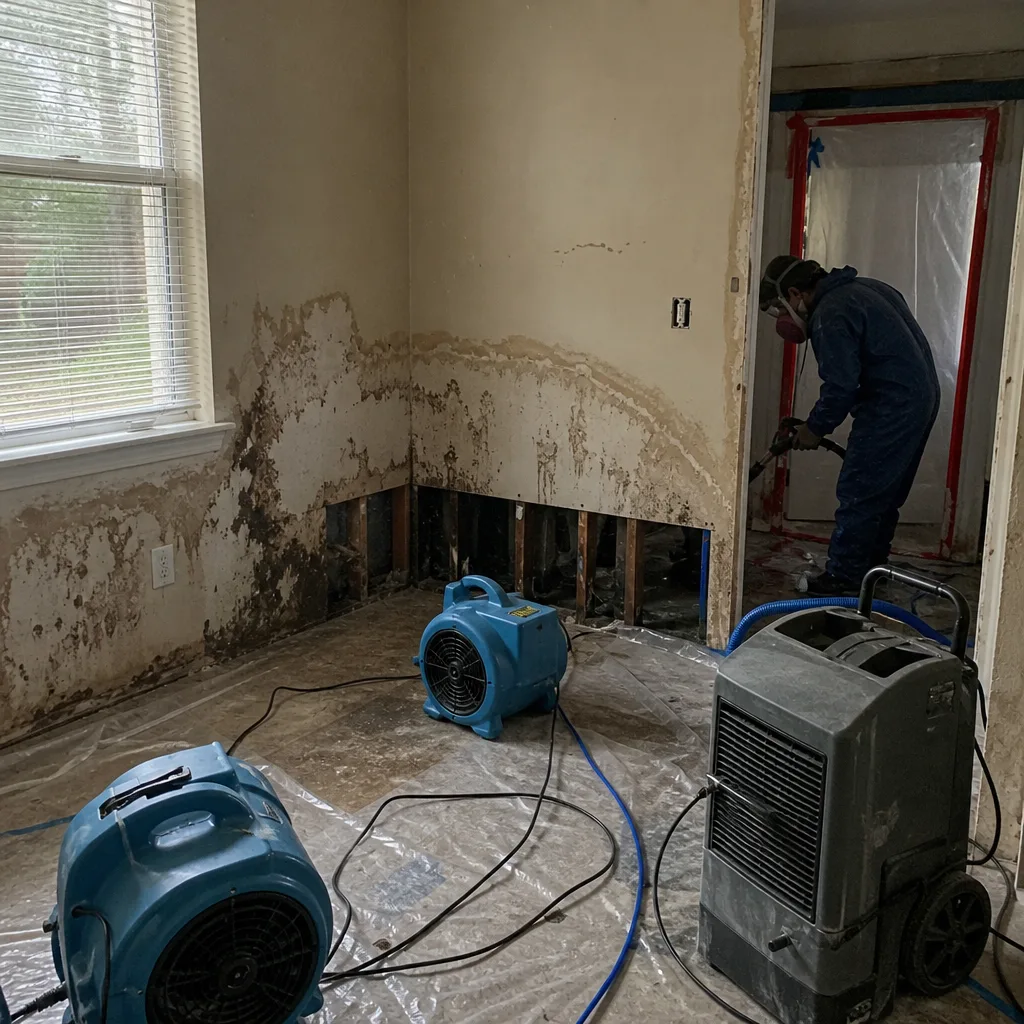 Before
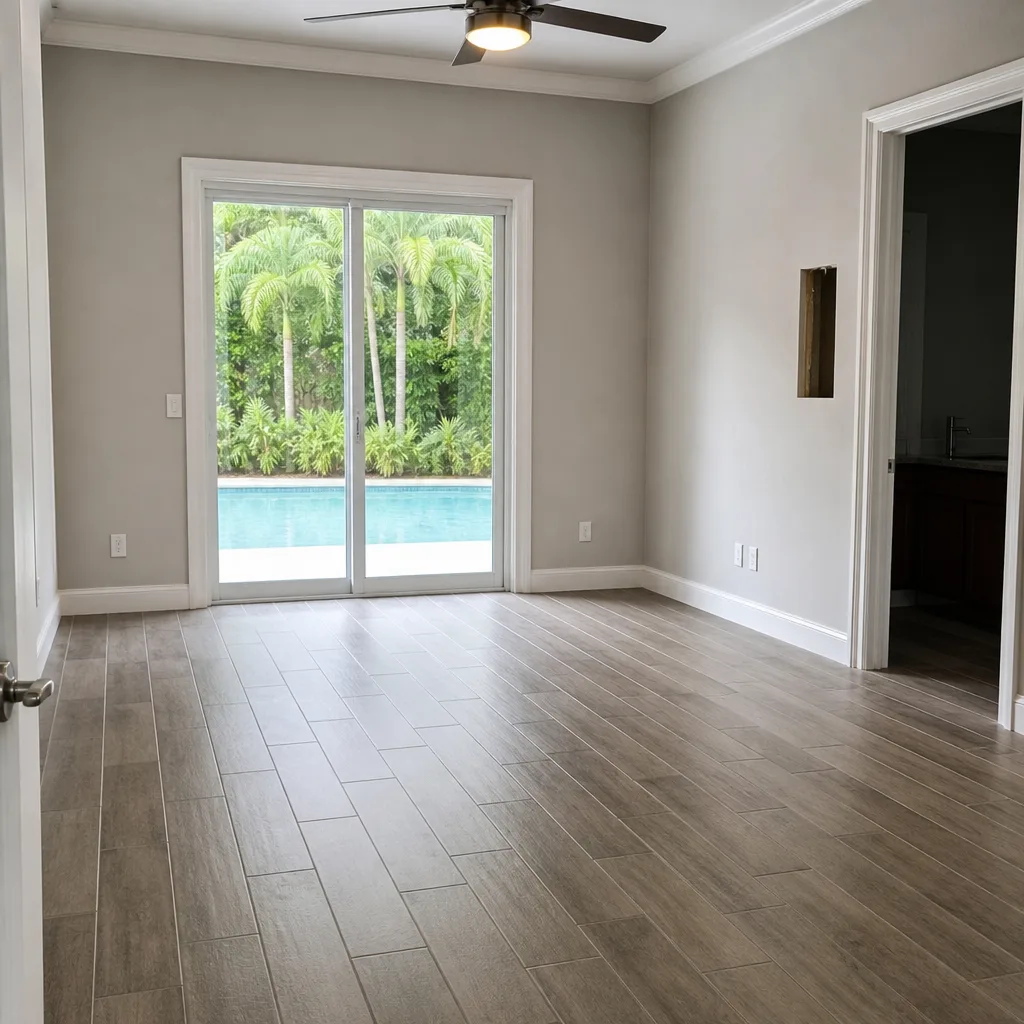 After
After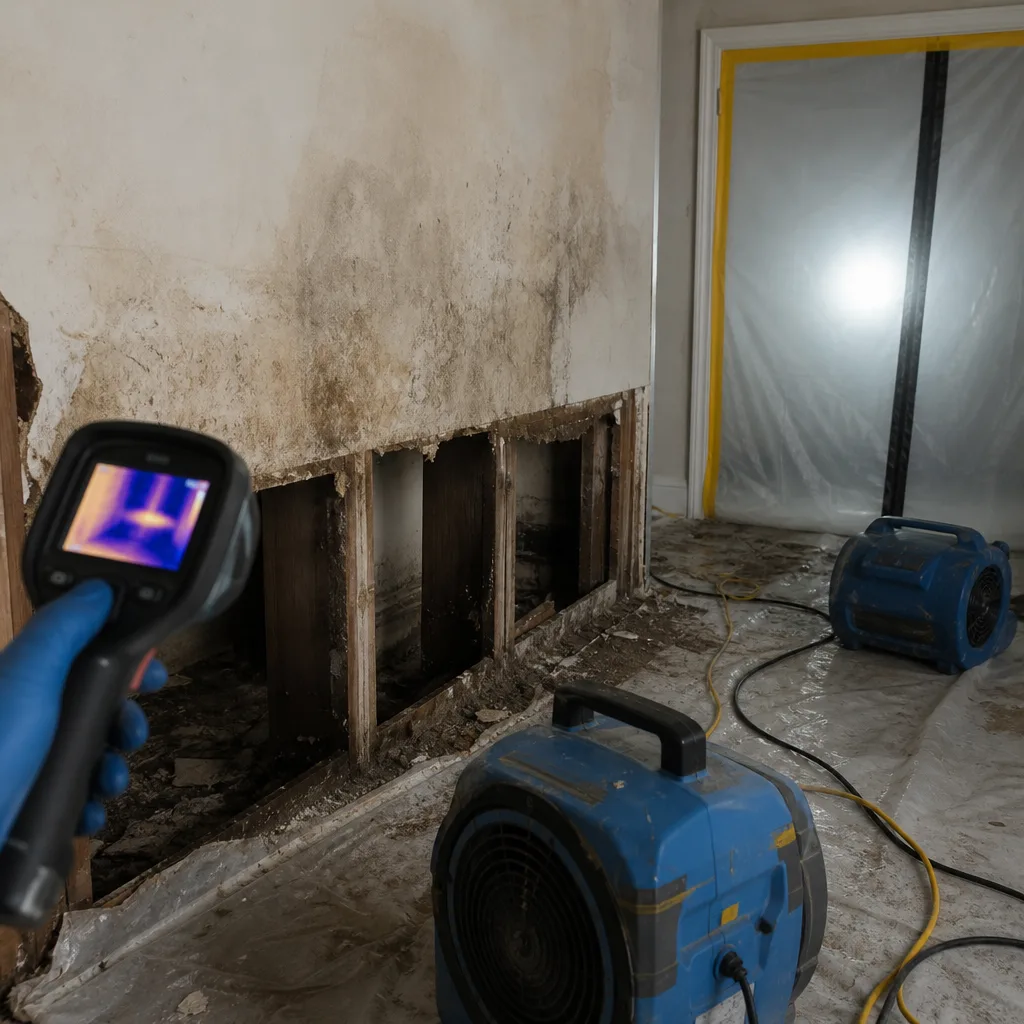 Before
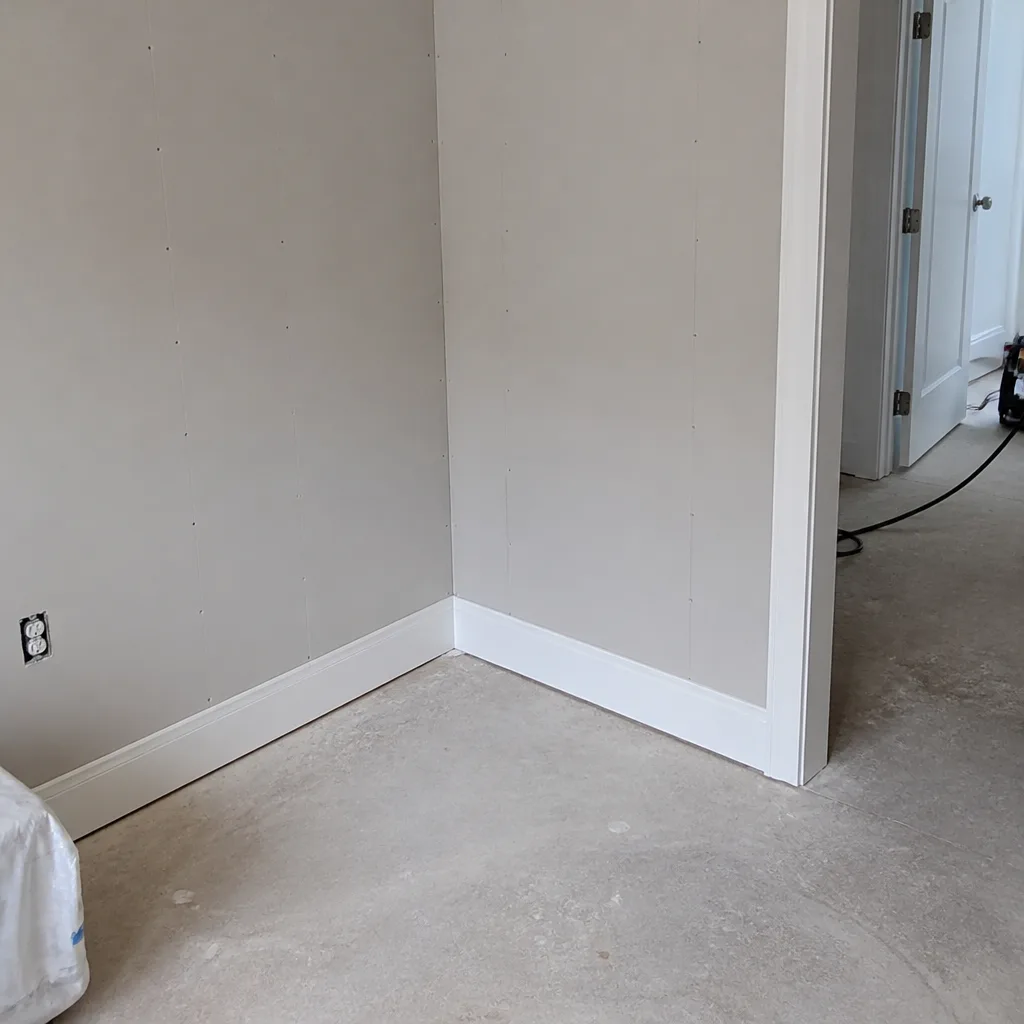 After
After