
Last updated October 16, 2026
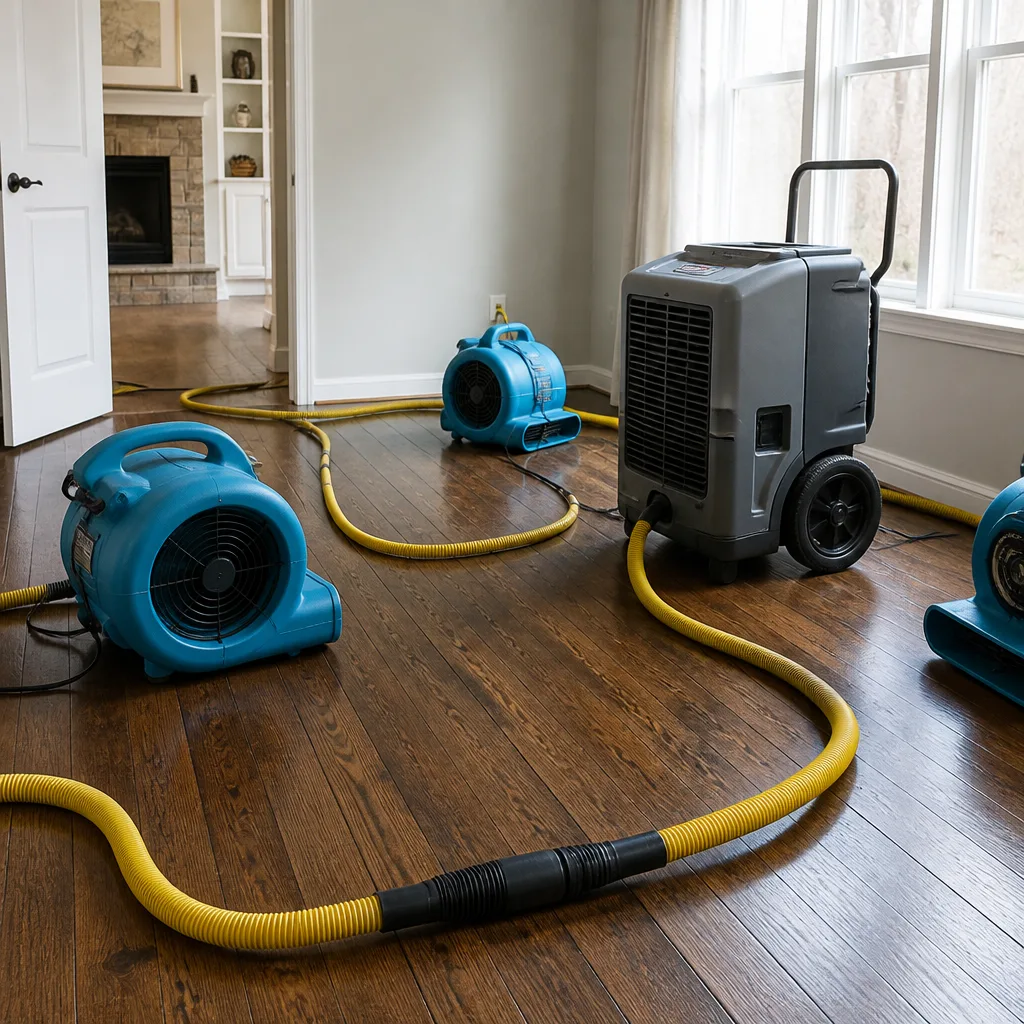 Water damage drying
 Fire & smoke cleanup
 Mold remediation
 Storm response
 Sewage cleanup
 Reconstruction
Free visual inspection and a written scope of work before any mitigation begins - photos, moisture readings, and drying logs go in your claim file
The scope we write is the scope we bill. Anything new gets shown to you, in writing, before we touch it.
Get your free estimateWater Damage Restoration Maintenance Checklist for West Palm Beach Homeowners
Inspecting your roof after a storm is standard advice, but the water damage that costs West Palm Beach homeowners the most money typically originates from a washing machine supply line, an HVAC drain pan, or a corroded shut-off valve that passed every prior inspection because no one was measuring the right things. This guide walks you through a maintenance checklist calibrated to what actually fails in our humid, salt-air climate, not generic national advice about frozen pipes that has no relevance here. For a deeper look at the full restoration process, see The Complete Guide to Damage Restoration in West Palm Beach. You’ll learn the six systems that quietly degrade in West Palm Beach, the inspection thresholds that matter, and how to document your maintenance so an insurance claim holds up if water does find a way in.
Quick Answer
A water damage prevention checklist for West Palm Beach homeowners should focus on six systems: washing machine supply lines, HVAC condensate drains, water heater corrosion, shut-off valve function, exterior stucco and weep holes, and tub or shower caulk integrity. If damage does occur, our Water Damage Restoration services can help you recover quickly. Inspect these systems twice a year, timed to the dry season (October – May) and wet season (June – September), and document every check with photos and dates so maintenance history strengthens any future insurance claim.
Restoration work we handle
Table of Contents
- Washing Machine Supply Lines: The Number One Flood Source
- HVAC Condensate Drains and Drain Pans
- Water Heater Corrosion and Salt Air
- Shut-Off Valves: The Test Most Homeowners Skip
- Stucco Walls and Weep Holes: What Not to Seal
- Tub and Shower Caulk: The Correct Way to Re-Caulk
- Seasonal Timing: Two Seasons, Not Four
- Documentation and Insurance Claims
- Common Mistakes to Avoid
- When to Call a Professional
- Frequently Asked Questions
Washing Machine Supply Lines: The Number One Flood Source
In our experience across West Palm Beach, washing machine supply lines fail more often than any other plumbing connection in the home. The heat and humidity inside a South Florida laundry room accelerate rubber and polymer degradation, and a burst supply line can release several gallons per minute while you’re asleep or at work. The failure is almost never the machine itself. It’s the thin rubber hose behind it that was installed years ago and never looked at again.
Here is the threshold that matters: any rubber supply line older than five years in a West Palm Beach home should be replaced. Braided stainless steel lines last longer, but in our climate even they should be swapped at the eight-year mark. The salt air does not reach inside your laundry room, but the constant humidity does, and rubber compounds break down faster here than in drier parts of the country.
- Turn off the water at the wall valve behind the washer. If the valve will not turn, that is a separate problem addressed in the shut-off valve section below.
- Inspect the full length of each hose for cracks, bulges, or a chalky white residue that signals micro-fractures in the rubber.
- Check the brass fittings at both ends for green or white corrosion, which indicates slow seepage that has already started.
- Replace rubber hoses with braided stainless steel lines rated for washing machine use, and write the install date on a piece of masking tape wrapped around the hose.
- Leave at least four inches of slack in the line so the washer’s vibration during spin cycles does not pull on the connections.
Pet-safe note: this task uses no chemicals or sealants, so there is no product safety concern for households with children or pets. If you do use a mild detergent to clean the area behind the washer, choose a plant-based cleaner without bleach or ammonia, since those residues can linger on surfaces pets walk across.
HVAC Condensate Drains and Drain Pans
West Palm Beach air conditioners run hard for most of the year, and every hour of runtime produces condensate. In a properly functioning system, that water flows through a drain line to the outside or into a plumbing drain. When the line clogs with algae, mold, or insect debris, water backs up into the drain pan, and if the pan is cracked or the float switch has failed, it spills over into the ceiling, walls, or floor. We have seen ceiling collapses in West Palm Beach that started with a clogged condensate line no one knew to check.
The pass/fail test for a condensate line takes under a minute and requires no special tools beyond a small funnel and a quart of water. Pour the water into the drain tee or access point near the air handler and watch the outflow at the exterior drain. If the water does not flow out at the same rate it goes in, the line is partially blocked. If it does not flow out at all, call a technician before the next hot day pushes the system into overflow. The accumulated biological growth inside these lines is not something you want to treat with harsh chemical drain cleaners, especially in a home with pets, since the fumes and residues can linger in the air and on surfaces near the air handler.
A better approach is to flush the line twice a year with warm water and a cup of distilled white vinegar, which is low-risk for pets when used in this application and breaks down the organic slime that algae feeds on. Do this at the start of the wet season in May and again in October when the rainy season ends. If you have a secondary drain pan under the air handler, check that the float switch moves freely and that the pan itself has no visible cracks. A cracked pan is a replacement item, not a repair item.
Water Heater Corrosion and Salt Air
Water heaters in West Palm Beach fail from the outside in and the inside out at the same time. The exterior tank and fittings are exposed to salt-laden air that accelerates corrosion on any exposed metal, and the interior is subjected to the mineral content of South Florida’s municipal water supply, which builds sediment in the bottom of the tank that insulates the heating element and causes the metal to overheat and crack. Both problems are detectable before failure if you know what to look for.
The exterior check is visual. Look at the fittings where the cold inlet and hot outlet pipes connect to the top of the tank. White or green crust around these connections means the dielectric fittings that should prevent galvanic corrosion have failed, and water is working its way out one drop at a time. Also look at the base of the tank for rust streaks, which mean the steel shell itself is compromised. If you see either condition, the water heater should be evaluated by a licensed plumber promptly, because a tank that lets go can release 40 to 80 gallons of water into your West Palm Beach home in minutes.
The interior check is audible. If you hear a rumbling or popping sound when the burner or element cycles on, that is sediment buildup insulating the bottom of the tank. Draining a few gallons from the tank every six months, using the drain valve at the bottom, removes some of that sediment before it hardens. Attach a short garden hose and run the water into a bucket or floor drain. Do this slowly, because the water will be hot. If the drain valve has never been opened in years, it may not reseal properly, and at that point the valve itself is a flood risk that needs replacement. No chemicals are involved in this maintenance task, so there are no pet-safety considerations.
Shut-Off Valves: The Test Most Homeowners Skip
A shut-off valve that does not turn is not a convenience problem. It is a standing water damage risk. When a supply line bursts, a toilet overflows, or a sink connection fails, the shut-off valve is the one thing standing between you and a full-scale flood, and in West Palm Beach homes built before roughly 2005, many of these valves are original fixtures with plastic stems or corroded packings that seize in place over time.
The test is simple. Once a year, turn every accessible shut-off valve in the house through a full close-and-open cycle. That includes the valves under every sink, behind every toilet, at the washing machine, at the water heater, and at the main shut-off where water enters the house. Close the valve, open the fixture to confirm water stops, close the fixture, and reopen the valve. If the valve will not turn, or turns but does not stop the water flow, replace it now, not after an emergency starts.
The main shut-off deserves particular attention because it is the one valve that can stop a flood in progress. In many West Palm Beach homes, the main shut-off is an old gate valve that has not been operated since the house was built. Gate valves have a brass or plastic stem that corrodes in the open position, and when you finally need to close it during an emergency, the stem shears off in your hand. If your main shut-off is more than 15 years old, replacing it with a ball valve, which uses a quarter-turn lever and a stainless steel ball, is one of the highest-value water damage prevention upgrades you can make. The cost is modest, and the failure mode of a ball valve is effectively nonexistent compared to a gate valve.
Stucco Walls and Weep Holes: What Not to Seal
This is where West Palm Beach specific advice departs from national home maintenance guidance, because stucco construction is far more common in South Florida than in most of the country, and stucco walls have a feature that many homeowners misunderstand: weep holes. These are the small gaps left at the bottom of stucco walls, where the stucco meets the foundation or a window ledge, and their purpose is to let moisture drain out of the wall cavity after rain or condensation. Water moves through stucco by capillary action during a heavy South Florida downpour, and if the weep holes are sealed, that water has no exit. It sits inside the wall and feeds mold growth, rots the framing, and eventually shows up as staining on the interior drywall.
We have seen homeowners in West Palm Beach seal their own weep holes thinking they were doing the right thing, closing a gap that would let pests in or drafts through. The result is hidden water damage that accumulates over months and is far more expensive to remediate than the original gap ever was. Weep holes should be open, clear, and unobstructed. If you are concerned about insects entering through weep holes, use a mesh weep hole cover, not caulk or expanding foam. Never, under any circumstances, fill a weep hole with sealant.
At the same time, cracks in the stucco surface itself should be repaired, because those are water entry points that the weep hole system is not designed to handle. Hairline cracks less than 1/16 inch wide can be left alone and monitored. Cracks wider than 1/16 inch should be cleaned out and filled with a paintable exterior-grade elastomeric sealant, which remains flexible as the wall expands and contracts through West Palm Beach’s heat and humidity cycles. Choose a low-VOC product that is labeled safe for use around plants and animals, and keep pets away from the application area until the sealant has cured, which is usually 24 to 48 hours.
Tub and Shower Caulk: The Correct Way to Re-Caulk
The most common caulk mistake we see in West Palm Beach homes is not a failure to caulk, but a failure to remove the old caulk before applying new. Caulk does not bond to caulk. When new silicone is applied over old, failed silicone, it peels away within weeks because there is no adhesion between the two layers, and the water that caused the original failure continues to seep into the wall cavity behind the tub surround.
The correct sequence is removal first, then preparation, then application. Remove all existing caulk from the joint between the tub or shower base and the wall surround using a plastic caulk removal tool, which will not scratch the tub surface the way a metal scraper will. Clean the exposed joint with mineral spirits on a rag to remove soap residue and any remaining silicone film, and let the area dry completely before applying new caulk. South Florida’s ambient humidity means drying takes longer than the product label suggests, so allow at least 30 minutes after cleaning before you begin.
Choose a mold-resistant silicone caulk labeled for kitchen and bath use, and check the product’s VOC rating. Many silicone caulks release acetic acid during curing, which has a strong vinegar smell and can irritate pets and children. Low-VOC, neutral-cure silicone products exist and cost only slightly more. Keep the bathroom ventilated during application and for several hours after, and keep pets out of the room until the caulk has fully cured, typically 24 hours.
Run a bead of caulk along the joint in a single continuous pass, then smooth it with a caulk finishing tool or a damp finger within two to three minutes of application. Silicone skins over quickly in humid air, and once it does, smoothing is impossible without roughing the surface. Inspect the caulk line every three months for peeling, shrinking, or dark staining, which indicates water has found a path through. In West Palm Beach’s humidity, even correctly applied caulk has a shorter service life than the five-year national average, so plan to redo this joint every two to three years.
Seasonal Timing: Two Seasons, Not Four
National home maintenance guides are built around a four-season calendar that does not exist in West Palm Beach. We have two seasons: the dry season from October through May, and the wet season from June through September. Each season creates different water damage risks, and the maintenance tasks that matter shift with them.
The dry season is the time for inspection and replacement work, because the lower humidity makes adhesives cure faster, caulk bond stronger, and outdoor work more predictable. This is when you replace washing machine supply lines, exercise every shut-off valve, flush the HVAC condensate line with vinegar, drain sediment from the water heater, and repair stucco cracks. You are preparing the house for the rain that is coming, and the work is easier to do right when the air is drier.
The wet season is the time for monitoring and rapid response. The afternoon thunderstorms that roll through West Palm Beach from June through September deliver intense, short-duration rainfall that tests every exterior seal and drainage path. During this period, check your interior ceilings and walls for staining after heavy rain, verify that exterior downspouts are discharging water at least three feet from the foundation, and watch for any signs of water pooling near the house. Condensate lines work harder during the wet season because the air is more humid, so a mid-season flush with vinegar is worth doing. And when a tropical storm is forecast, the pre-storm checklist becomes its own exercise: clear gutters and downspouts, move outdoor furniture away from windows, and photograph the interior and exterior of the house so you have a baseline record if the storm causes damage.
Documentation and Insurance Claims
Maintenance documentation does more than help you remember what was done. It creates a record that strengthens any future insurance claim by showing that the damage was not the result of ongoing neglect. Insurance adjusters look for evidence of regular maintenance when evaluating water damage claims, and a homeowner who can show dated photos, receipts for materials, and written notes about inspections is in a far stronger position than one who cannot.
Create a simple maintenance log that is easy to maintain. A spiral notebook works, as does a folder on your phone. Every entry should include four things: the date, what was done, what product was used if any, and a photo. If you replace a washing machine supply line, take a photo of the old hose showing the cracks or corrosion, then a photo of the new hose installed with the date written on the masking tape. If you flush the condensate line, photograph the outflow before and after. If you re-caulk the tub, photograph the joint after the old caulk is removed so the record shows what condition the substrate was in before the new seal was applied.
If water damage does occur despite your maintenance, that documentation becomes part of the claim. Photos taken before the event establish the baseline condition of the home, and maintenance records show that the damage was not foreseeable or preventable through reasonable care. We work directly with insurance adjusters throughout West Palm Beach, and we have seen the difference that good documentation makes on claim outcomes. Our Water Damage Restoration in West Palm Beach team photographs every step of the restoration process and shares those images with you and your adjuster, so the claim file is complete from the first day.
Common Mistakes to Avoid
- Applying new caulk over old caulk. Silicone bonds to clean, dry substrate, not to cured silicone. The new bead peels within weeks and the leak continues behind the wall.
- Sealing stucco weep holes. This is the most damaging mistake we see in West Palm Beach, because the trapped moisture feeds hidden mold growth and slowly rots the wall framing from the inside.
- Using harsh chemical drain cleaners on condensate lines. These products can damage PVC condensate lines and leave toxic residues in the air near the air handler. Vinegar and warm water do the job without the risk to pets and children.
- Ignoring a shut-off valve that will not turn. A seized valve is an emergency waiting to happen. Replacing it before a supply line bursts is a $150 repair instead of a $15,000 restoration.
- Assuming braided stainless supply lines last forever. In West Palm Beach’s humidity, even stainless-braided hoses should be replaced every eight years. The rubber core degrades even when the braid looks fine.
- Checking the roof only after storms. Roof inspections matter, but the data from our own restoration work shows that appliance supply lines and HVAC condensate failures cause more interior water damage than roof leaks in West Palm Beach homes.
- Throwing away maintenance receipts. Without dated receipts and photos, a maintenance record is just a claim. With them, it is evidence that can mean the difference between a covered claim and a denied one.
When to Call a Professional
Some maintenance tasks are worth doing yourself, and some are worth paying someone else to do. Call a professional when a water stain appears on a ceiling or wall and grows over 24 hours, which indicates active water movement behind the surface. Call a professional when a musty odor persists after you have checked the obvious sources, because hidden moisture inside wall cavities or under flooring supports mold growth that is difficult to locate without moisture meters and thermal imaging. Call a professional when a supply line has burst or a valve has failed and water has spread across flooring, because the water moves faster than drying equipment can be set up, and every hour of delay extends the damage. The team at Tidemark Water Damage West Palm Beach home offers free estimates in West Palm Beach, and a written price is delivered before any work starts, so you know the scope and cost before anyone picks up a tool. Call (728) 231-8456.
Frequently Asked Questions
Inspect the six systems in this guide twice a year, once at the start of the dry season in October and once at the start of the wet season in May. The seasonal shift changes which risks are most active, and a twice-yearly rhythm catches failures before they become floods.
Based on our restoration work across West Palm Beach, washing machine supply lines and HVAC condensate drain failures are the two most common sources of interior water damage, ahead of roof leaks and plumbing fixture failures. For detailed cost information, see our Damage Restoration Cost Breakdown: The West Palm Beach Homeowner’s Reference for 2026. Both are preventable with the inspection and replacement thresholds in this guide.
Most homeowner policies in Florida cover sudden and accidental water damage from a burst supply line, but coverage depends on the policy language and the maintenance record you can show. Document every inspection and replacement with photos and receipts, because adjusters use maintenance history to distinguish sudden failures from gradual deterioration. We work with adjusters directly and photograph every stage of restoration so the claim file is complete.
Do not seal weep holes with caulk, foam, or any other solid material. Weep holes let moisture drain out of the wall cavity, and sealing them traps water inside the wall where it feeds hidden mold and rots framing. Use mesh weep hole covers if pests are a concern, and leave the drainage path open.
Our phones are answered by a live person 24 hours a day, seven days a week, and a technician can typically be dispatched to your West Palm Beach home the same day. Call (728) 231-8456 and describe what you see, and we will tell you what to do in the next 30 minutes while help is on the way.
A small water stain on a ceiling or wall can mean a small amount of water or a large amount of water behind the surface. The only way to know is to measure the moisture content of the affected material and the surrounding area, which requires a moisture meter and experience reading the results. We provide a free assessment with a written scope of work and price, so you know whether the fix is a patch and paint or a larger drying project before you commit to anything. For mold concerns, our Mold Remediation in West Palm Beach team uses the same written-price-before-work standard.
The Bottom Line
Water damage prevention in West Palm Beach comes down to watching the six systems that actually fail here: washing machine supply lines, HVAC condensate drains, water heaters, shut-off valves, stucco weep holes, and tub or shower caulk. Inspect twice a year, timed to our two seasons, and document everything with photos and dates so maintenance history strengthens any insurance claim. When damage does occur despite good maintenance, speed and documentation are what contain the cost. Our team handles Fire Damage Restoration in West Palm Beach and water damage restoration with the same standard: a written price first, pet-safe products, shoe covers and drop cloths on every visit, and a photo of the clean-up before the crew leaves. Call (728) 231-8456 for a free estimate.
Written by Rick Sumner, Owner at Tidemark Water Damage West Palm Beach, serving West Palm Beach since 2006. Browse more guides & resources on preventing and handling water damage.
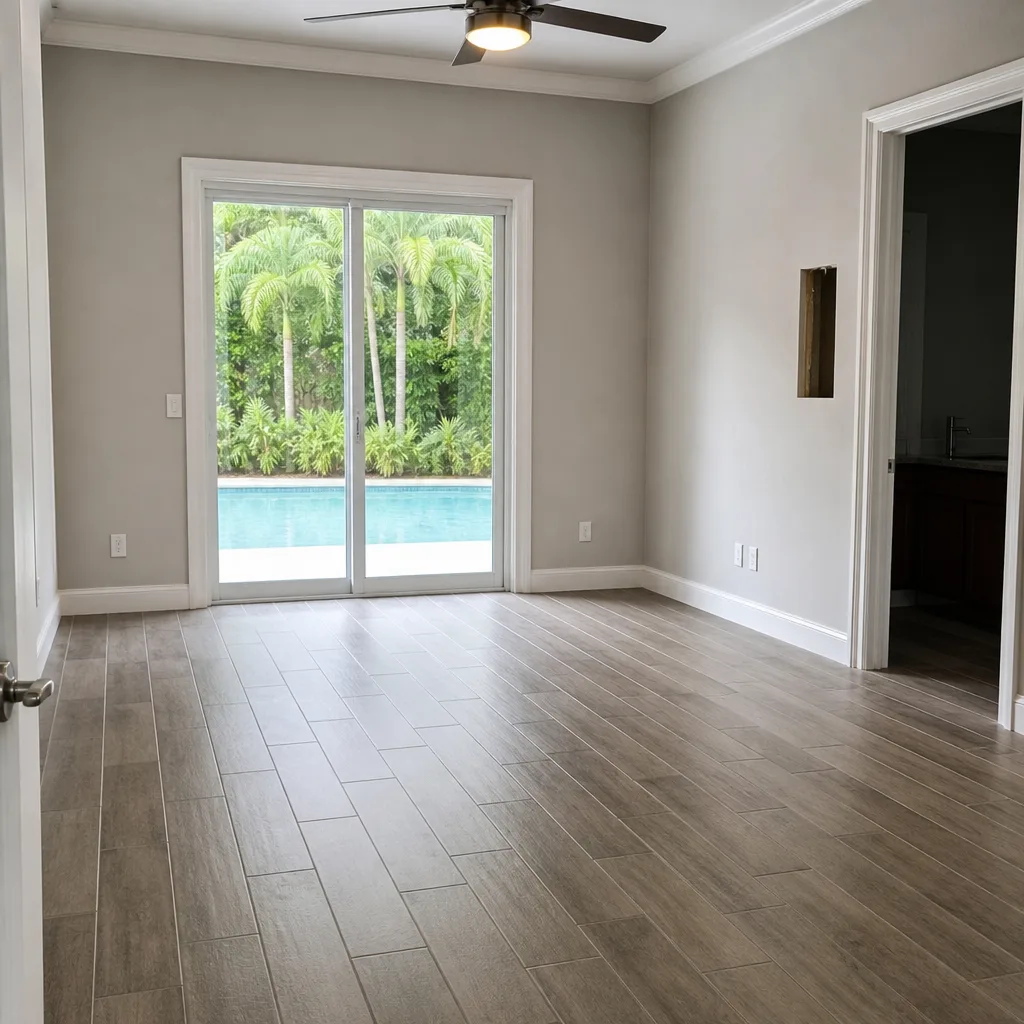
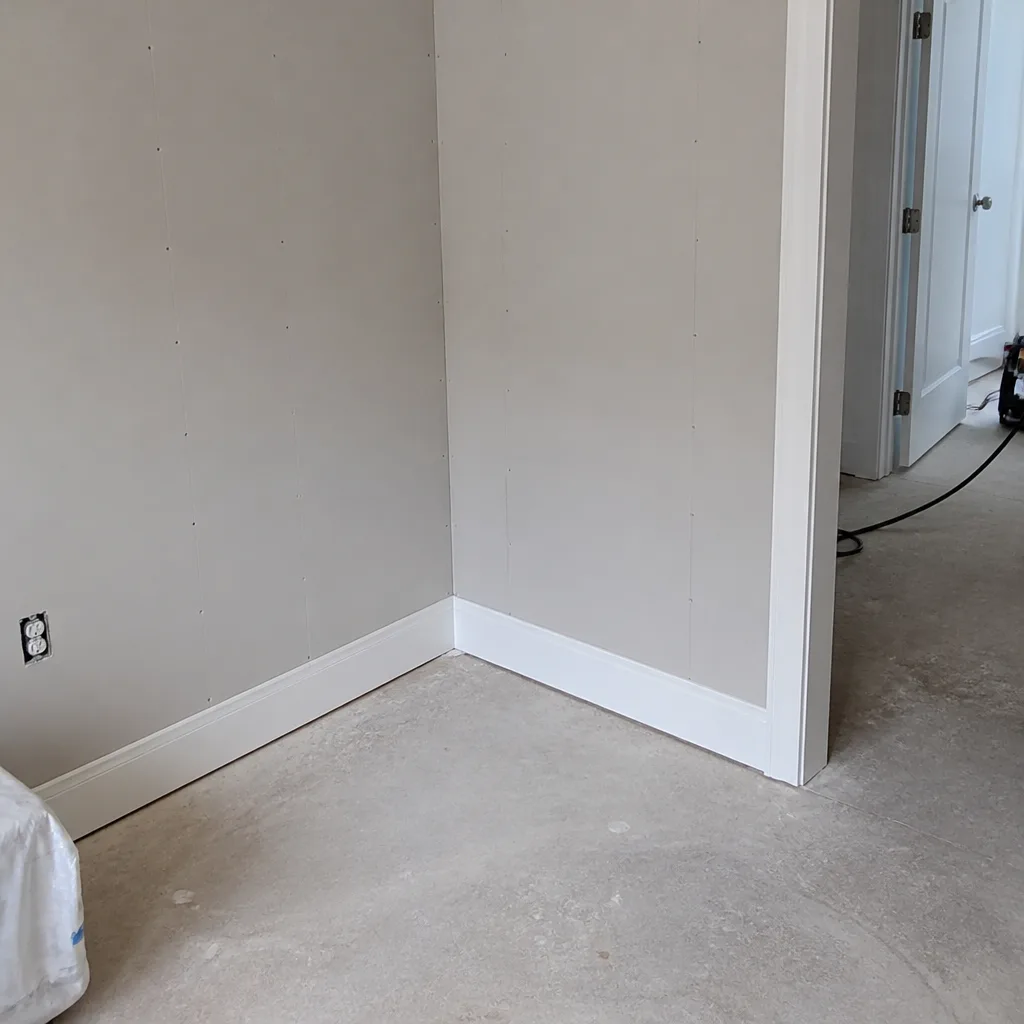
See the difference
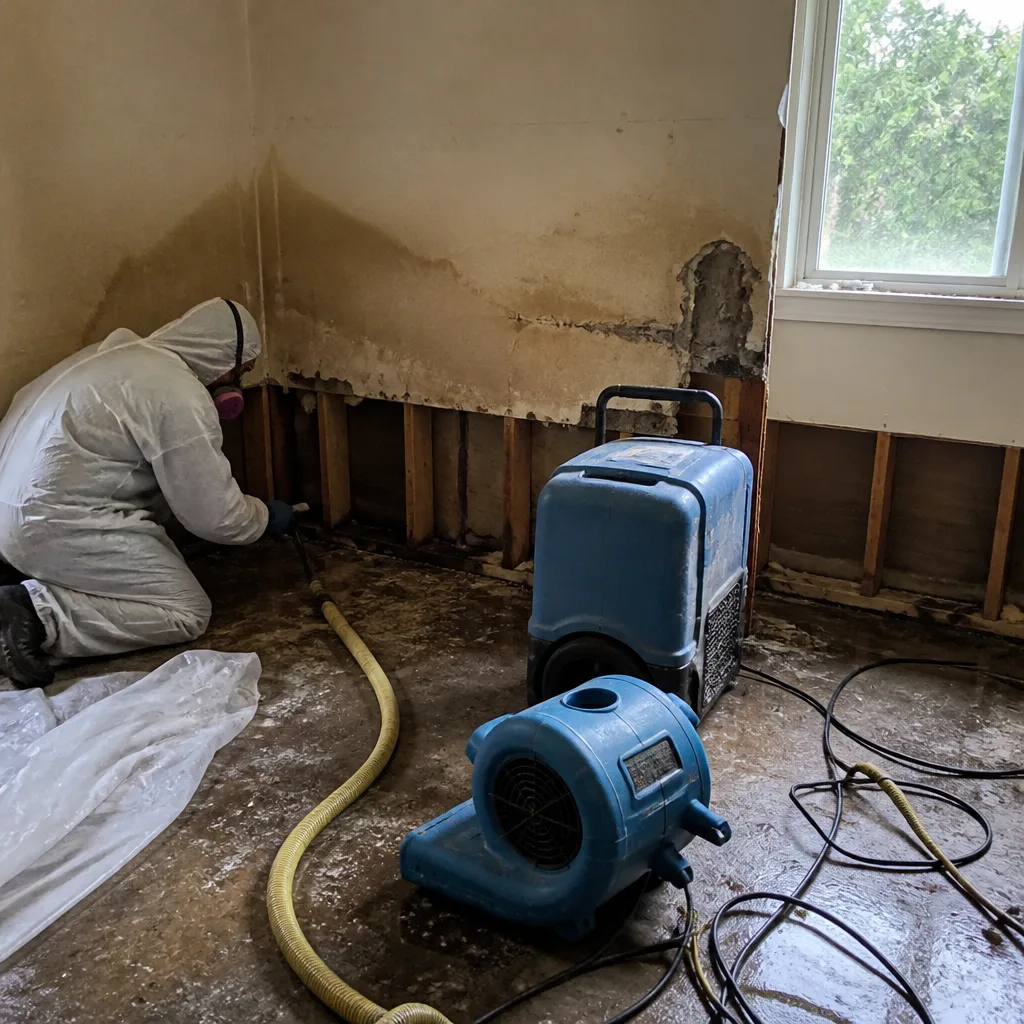 Before
 After
After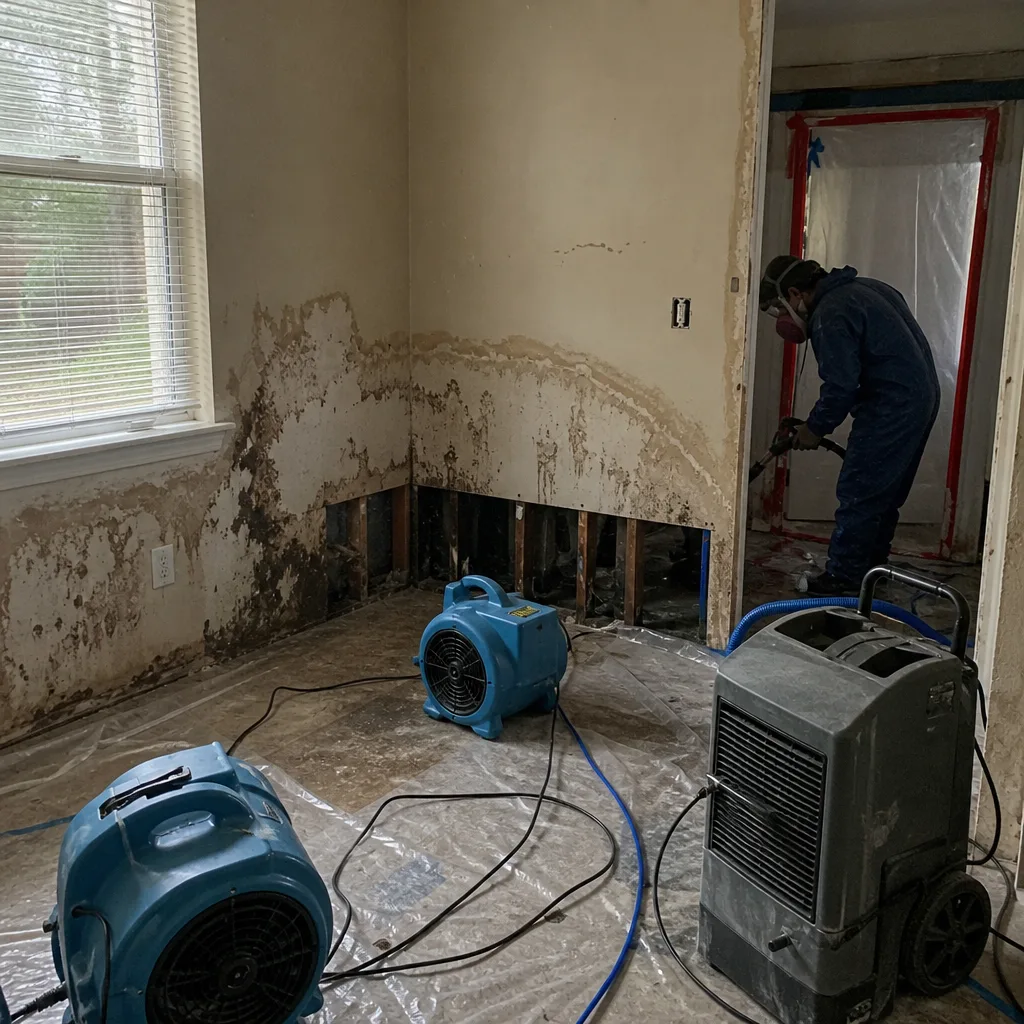 Before
 After
After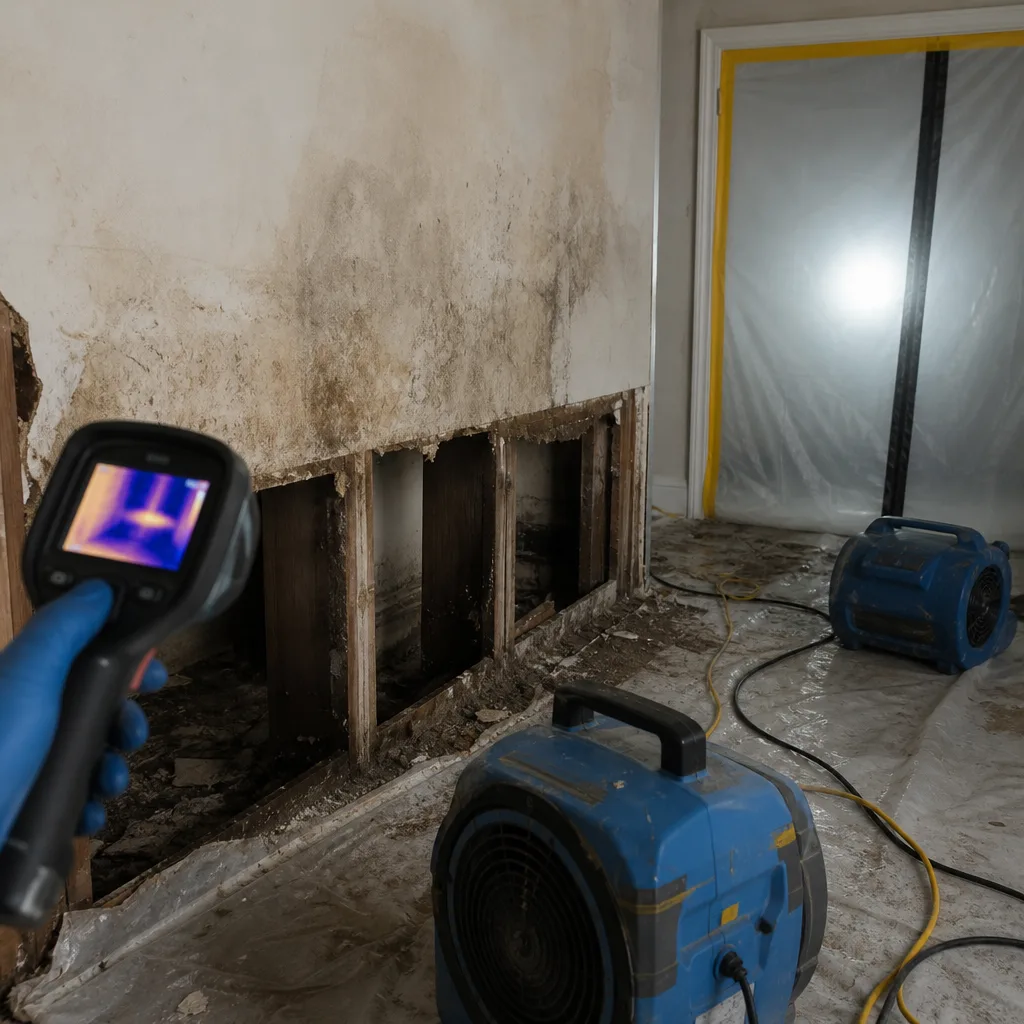 Before
 After
After