
Last updated October 16, 2026
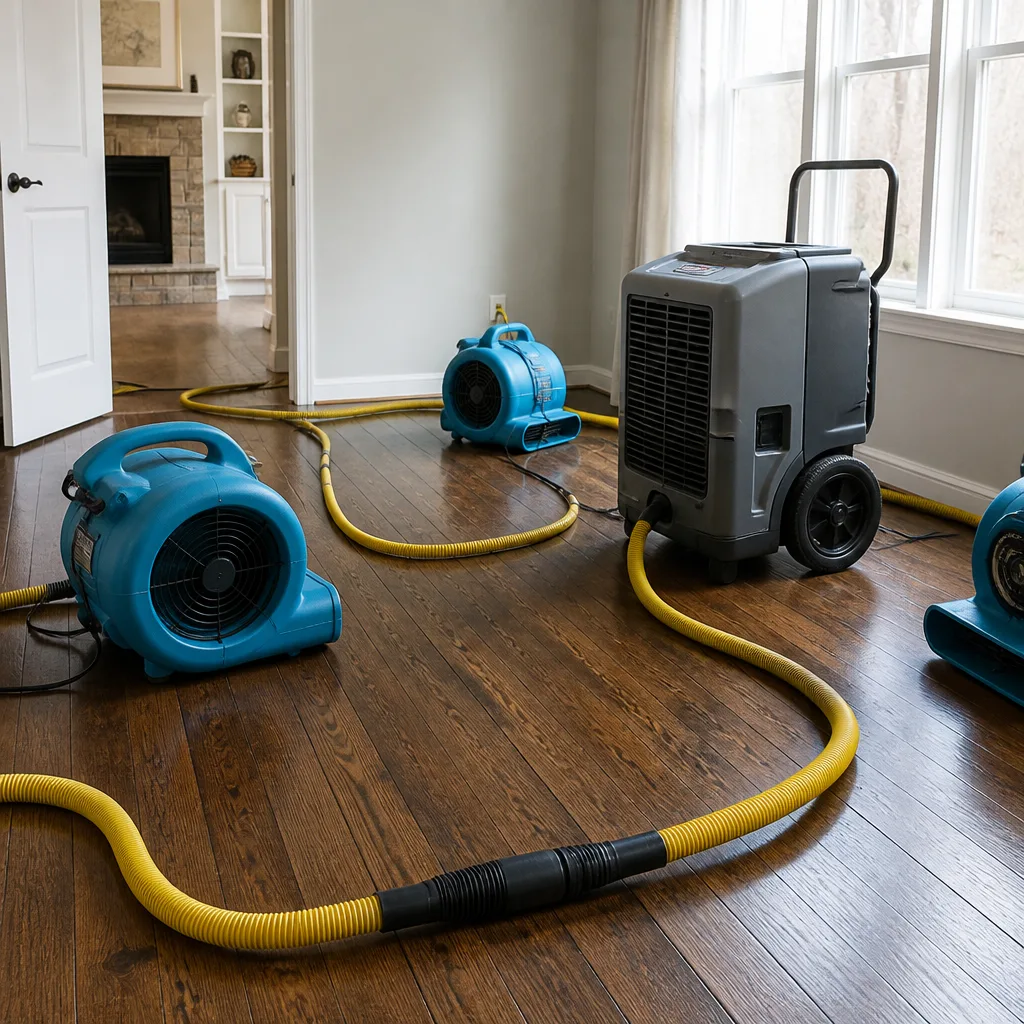 Water damage drying
 Fire & smoke cleanup
 Mold remediation
 Storm response
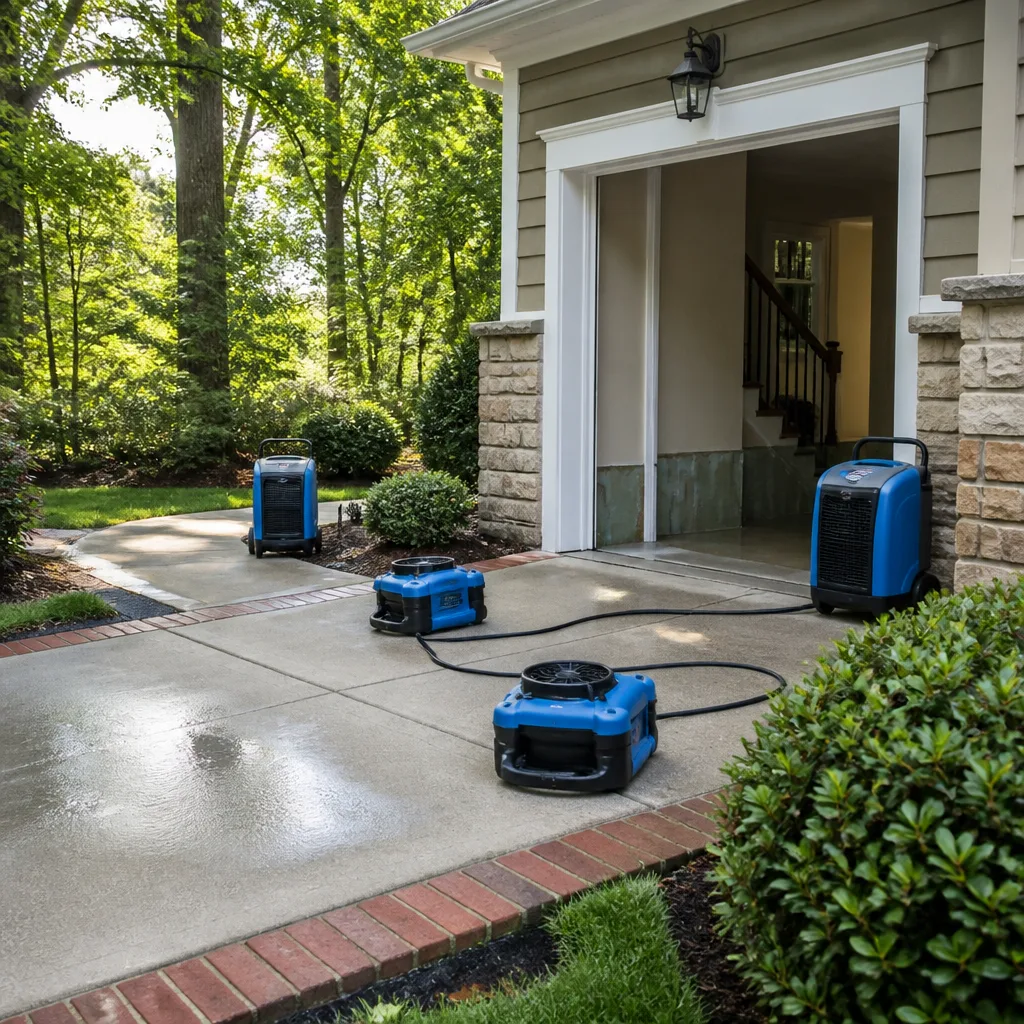 Sewage cleanup
 Reconstruction
Free visual inspection and a written scope of work before any mitigation begins - photos, moisture readings, and drying logs go in your claim file
The scope we write is the scope we bill. Anything new gets shown to you, in writing, before we touch it.
Get your free estimateDamage Restoration Warning Signs: A West Palm Beach Homeowner’s Reference Guide
Most West Palm Beach homeowners can smell the difference between a summer thunderstorm and a sewage backup. But far fewer can tell the difference between the musty odor that hangs in the air after rain and the same smell coming from inside a wall cavity. That distinction matters more than almost any other in coastal Florida housing, because it separates a house doing what houses do from a house quietly failing. This guide exists to give you that discrimination. It replaces generic advice like “look for water stains” with the specific sensory and measurable differences that tell you whether what you are seeing is normal for a West Palm Beach home or a signal that water damage is active and worsening behind the surface. You will learn what a tide mark actually looks like, which six warning signs get dismissed as cosmetic, how to run a simple flashlight-and-probe inspection before anyone picks up a tool, and why the first 48 hours determine whether you are paying for drying or remediation.
Quick Answer
The warning signs of active water damage in a West Palm Beach home include odors that persist or intensify after the air conditioning runs, convex paint bubbling (not concave), rust staining at baseboards, popped nail heads in drywall, tile grout that feels soft or yields to a probe, and door frames that swell over weeks rather than seasonally. Any tide mark line on drywall or base trim means water rose and receded, which demands inspection even if the surface now feels dry. If you can describe these specific signs over the phone, a qualified restoration company can tell you whether you need a drying plan or a remediation plan before anyone schedules a visit. For help choosing the right professional, see our guide on how to hire a damage restoration contractor in West Palm Beach.
Restoration work we handle
Table of Contents
- Normal Coastal Climate vs. Active Damage: The Comparison Table
- The Six Warning Signs West Palm Beach Homeowners Dismiss as Cosmetic
- What a Tide Mark Is and Where to Find One
- The 48-Hour Mold Initiation Window and What It Costs You
- The Flashlight-and-Probe Inspection Sequence
- How West Palm Beach’s Climate Accelerates or Masks Damage
- Common Mistakes to Avoid
- When to Call a Professional
- Frequently Asked Questions
Normal Coastal Climate vs. Active Damage: The Comparison Table
West Palm Beach sits in a climate where the outdoor air routinely carries 70 to 80 percent relative humidity. Salt from the Atlantic rides inland on the same breeze. Concrete block construction, common across the city, wicks groundwater differently than wood-framed homes further north. All of this means some things that look like water damage are simply what a house does when it lives in South Florida. The problem is that other things look identical to the untrained eye. Here is the comparison that separates what you can ignore from what needs a phone call.
- Musty odor that clears within two hours of the AC running – Normal coastal humidity. The air handler is doing its job. Musty odor that persists or intensifies after two hours of AC operation – Active microbial growth. Microbes release volatile organic compounds continuously, not just when the air is still. If the smell holds steady after the system has cycled, you are smelling biology, not weather.
- Paint bubbling that is concave – The blister collapses inward when pressed. This is adhesion failure from salt air or old paint, common on stucco and block exterior walls. Paint bubbling that is convex – The blister rounds outward with visible tension or even a droplet of moisture behind it. Water is pushing from the wall side. That is active moisture, not old paint.
- Efflorescence that reappears as a light dusting – White powdery film on block walls is salt mineral migration and is endemic in South Florida masonry. Efflorescence that is crusty, thick, or crystalline – When mineral deposits build into a crust rather than a dusting, water is moving through the wall on a schedule. The volume of mineral transport is your clue.
- Rust staining on hardware near the coast – Doorknobs, hinges, and exposed screws corrode faster in salt air. Normal. Rust staining at baseboards, carpet tack strips, or the bottom of interior doors – That rust is coming from inside the assembly. Interior baseboard rust means water has pooled there at some point. There is no salt air inside your wall cavity.
- Drywall seams that crack in long vertical lines – Settlement. Normal in any home over five years old. Drywall seams that swell, soften, or show tide line discoloration – Water is or was inside the gypsum. Settlement cracks are sharp. Water expansion is soft and rounded at the edge.
- Floor tile that sounds hollow when tapped – Thinset failure, common with age and slab movement. Floor tile whose grout yields to a flathead screwdriver with soft, crumbly, or dark residue – Moisture has been living under the tile. Grout in dry homes is hard and cohesive. Water-damaged grout crumbles like old mortar.
We have walked into West Palm Beach homes where homeowners had spent years wiping the same efflorescence off a block wall and never looked behind it. The wall cavity behind the cosmetics told a different story. The distinction is almost always measurable if you know which measurement to take.
The Six Warning Signs West Palm Beach Homeowners Dismiss as Cosmetic
South Florida houses have quirks. Humidity makes doors stick. Salt air pits paint. Slab construction cracks tile. That cultural familiarity is exactly why active water damage gets ignored for months at a time. Here are the six signs we see dismissed most often in West Palm Beach, and what each one is actually telling you.
1. Efflorescence on block walls
Everyone tells you it is cosmetic. Sometimes they are right. A light white dusting on a block wall in a garage, on a screened patio column, or along a stem wall is the salt content of the concrete expressing itself. It is also possible that it is the visual record of water passing through your block on its way somewhere else. The test is this: wipe it off with a dry cloth. If it returns as a dusting within a few weeks, it is atmospheric humidity draw. If it returns as a crust or you see weeping along the wall base after rain, water is being driven through the block hydrostatically. That is a drainage, grading, or capillary issue that a Water Damage Restoration in West Palm Beach inspection can map to its source.
2. Rust staining at baseboards
Interior rust at the bottom of a wall has exactly one cause: water accumulated there. Carpet tack strips are bare steel. Baseboard nails are steel. When they sit in pooled water, they oxidize and bleed through paint or carpet. Coastal homeowners often write this off as salt air, but salt air does not concentrate rust in a linear strip along the floor. If the stain is at the wall-floor junction, water pooled at the wall-floor junction.
3. Popped nail heads in drywall
Nail pops are normally a drywall settling issue. But when nail heads pop in a horizontal line, or in a room that recently saw water from a leak, window failure, or AC overflow, the gypsum behind the paint has swelled. Swelling gypsum pushes fasteners outward. The nail is not moving. The wall is expanding around it.
4. Soft spots in tile grout
Slab homes in West Palm Beach with tile directly on concrete have no crawl space to hide water. If water has been sitting under the tile from a plumbing leak, slab wicking, or an appliance issue, the grout is the first material to tell you. Healthy grout is hard under a probe. Water-compromised grout offers a spongy yield, or crumbles out in crumbs. Dark staining at the grout lines points the same direction.
5. Door frames that gradually swell
A door that sticks in August and swings freely in January is humidity. A door that sticks a little more each month, in every season, and never quite returns to its old clearance, is moisture accumulation in the framing. Interior doors in West Palm Beach homes sit close to the slab. If the base of the door or the jamb shows swelling, discoloration, or splitting, the moisture is coming from below.
6. Persistent ant trails following a wall seam
Ants are the unpaid moisture consultants of Florida. Carpenter ants and moisture ants follow water. When you see a consistent ant trail that hugs a wall seam, floor gap, or baseboard and returns even after treatment, the ants are finding something in that cavity worth carrying back. Damp wood and wet drywall are both attractive to nest-building species. The pest control company can kill the ants. The water source is what you have to find.
None of these signs, individually, guarantees water damage. Together, or in combination with the tide mark evidence below, they form a pattern that deserves a professional look before the problem graduates from drying to Mold Remediation in West Palm Beach.
What a Tide Mark Is and Where to Find One
A tide mark is the physical line water leaves behind after it recedes. It is the high-water line of your wall cavity, written in mineral deposits, discoloration, and sometimes a faint chalky residue. The name comes from the ocean, where the outgoing tide leaves a visible band on the sand. In a house, the same principle applies: water moves in, water moves out, and the wall records exactly how high it reached.
Tidemark Water Damage West Palm Beach took its name from this exact phenomenon. It is the first thing our technicians look for on every job, because the tide mark answers the question every homeowner needs answered: how far did the water actually travel, and where is the wet line now? Most surface stains understate the true extent of water migration. The visible stain on drywall might be 12 inches high while the moisture inside the cavity traveled 40 inches up the insulation. The tide mark inside the wall tells the full story.
Where to look for a tide mark in a West Palm Beach home:
- Inside wall cavities – Remove an outlet cover on an interior wall and look at the drywall edge. A visible line of discoloration, swelling, or mineral deposit across the gypsum edge is a tide mark. This is the most common place to find one that no one has noticed.
- Behind appliances – Pull the refrigerator out two inches and look at the lower wall. Dishwashers, washing machines, and ice maker lines all leave tide marks at their failure point. The mark is often hidden by the appliance’s shadow.
- At the base of interior doors – In slab homes, water that rises through the slab or from a nearby plumbing leak will show a tide mark at the bottom edge of hollow-core doors. The door’s paper facing wicks water and holds the line visibly.
- Inside the vanity cabinet under sinks – Flex lines and p-traps fail slowly. A tide mark on the cabinet’s side panel shows you how high water pooled before soaking into the cabinet base.
- On the back side of baseboards – If you can remove a small piece of baseboard in a suspect area, the unfinished back side often carries the clearest tide mark in the house.
The presence of any tide mark means one thing with certainty: water stood in that spot at one time. Since West Palm Beach’s groundwater and slab conditions mean water rarely appears and disappears without a source, a tide mark is not something to paint over. It is a map.
The 48-Hour Mold Initiation Window and What It Costs You
The Tidemark Water Damage West Palm Beach home inspection team follows the same IICRC standard the rest of the restoration industry references: mold colonization can begin on wet organic materials within 24 to 48 hours under the right conditions. That window is not a guarantee that mold exists at hour 49. It is the threshold at which the problem changes category.
Before 48 hours of sustained moisture, the job is drying. After 48 hours, the job may be drying plus microbial remediation. The cost difference between those two categories is real. A water drying job in a West Palm Beach home might involve extraction, air movement, dehumidification, and structural drying over three to five days. A remediation job adds containment, antimicrobial application, removal of affected materials, and often restoration of what was removed. The second job is not twice the first. It can be three to five times the first, depending on how much material is involved.
This is why the clock matters. A slow drip under a kitchen sink that has been dripping for three weeks has already blown past the window. A supply line that failed this morning has not. The homeowner who finds the problem today and calls today is making a fundamentally different financial decision than the homeowner who finds the problem today and waits to see if the area “dries on its own.”
West Palm Beach’s ambient humidity makes the self-drying instinct particularly unreliable. In the desert, water evaporates. In a 75 percent humidity coastal climate, water stalls. It hangs in drywall, sits in grout, and feeds the biology that is already present in every Florida home. Air movement is what removes water, and professional drying equipment from Dri-Eaz, Phoenix, XPOWER, B-Air, and Injectidry moves air far more aggressively than open windows or a box fan. Drying past the tide mark, which is what those machines are built to do, is the difference between drying a wall and drying behind a wall.
The Flashlight-and-Probe Inspection Sequence
You can perform a useful pre-call inspection in about 20 minutes. The goal is not to diagnose your own damage. The goal is to gather enough specific information that you can describe what you see accurately over the phone, so the person on the other end can tell you whether you need emergency response or a scheduled visit. Here is the sequence.
- Get a bright flashlight, not a phone light. Phone lights are diffuse. You need a focused beam that will highlight texture, discoloration, and shadow lines. If you have a small flathead screwdriver or an awl, that is your probe. Wrap the tip in masking tape if you are worried about marking surfaces.
- Start at the floor and work up, not the other way around. Water damage presents from the bottom up in most cases. Gravity holds water low. Scan along the wall-floor junction first, then baseboards, then door frames, then outlets.
- Shine the flashlight at a low angle across surfaces. A beam held flat against the wall reveals swelling, bubbling, and tide marks that a straight-on beam washes out. This is the single most useful technique in the inspection.
- Probe grout lines in the suspect area. Use the wrapped screwdriver tip and press into the grout. Hard and resistant is healthy. Soft, spongy, or crumbly is moisture-compromised. Do this at three points across the room to establish a baseline.
- Check the base of interior doors. Run your fingers along the bottom edge of each door in the affected area. Swelling, softness, or a visible line of discoloration is your tide mark. If the door scrapes the floor and you did not notice when it started, note that too.
- Remove an outlet cover on the suspect wall. Turn off the breaker first. Look at the edge of the drywall inside the electrical box. A visible moisture line, discoloration, or the smell of damp gypsum tells you the cavity was wet. Do not insert any tool into the box.
- Note the smell and its behavior. Close the room door for one hour with the AC off. Then open the door and smell. Run the AC for one hour. Smell again. If the odor clears, it was ambient. If it holds or intensifies, it is microbial. Write down which one happened so you can report it precisely.
- Photograph everything before you touch anything. Wide shots of the room, close shots of every sign, and a shot of the tide mark if you found one. These photos are useful for your own records and for the restoration company to see the original condition before anything is moved.
What you do with this information is simple: you call someone who knows what it means. A written price before any work starts, delivered after someone actually looks at the damage, is the standard you should expect. If a company will not put the scope on paper before starting, call someone else.
How West Palm Beach’s Climate Accelerates or Masks Damage
West Palm Beach is not just a humid city. It is a city built partly on land that was once swamp, with a high water table, heavy summer rain events, and salt-laden air moving constantly off the Atlantic. Those conditions do not create water damage. But they change how water damage behaves.
Groundwater in the area can rise close to the surface during wet season. Slab foundations sit in constant contact with soil moisture. This means water can enter a home from below even without a plumbing leak. When you see moisture at the base of interior walls with no visible source, the water table is a legitimate candidate. We see this in neighborhoods across the city, particularly in older slab homes where the original vapor barrier under the slab has degraded.
Salt air accelerates corrosion on every exposed metal surface. That is the coastal tax. But it also masks rust that has a water source. When a homeowner sees rust at a baseboard and thinks “ocean air,” the investigation stops. The difference is location: salt air rust attacks open hardware like hinges and handles. Interior baseboard rust is trapped water. If you remember one distinction from this guide, that is a strong candidate.
Summer rains arrive in concentrated bursts. A single afternoon thunderstorm can drop two inches of rain on a roof that has been silently losing its seal. Window flashing, roof penetrations, and stucco cracks all face more water pressure in July than they do in January. A leak that is invisible during dry season becomes obvious after a storm. The problem is that it often becomes obvious as a ceiling stain, and a ceiling stain in August means the water has been working on that drywall since the first storm of the season.
Air conditioning runs most of the year in West Palm Beach. That constant cooling and dehumidification can actually hide a musty odor, because the HVAC system is pulling moisture out of the air and masking the smell that would otherwise accumulate. It can also create condensation on ducts and registers if the system is oversized or the ductwork is uninsulated, which presents its own moisture signature. If you smell mustiness only when the AC is off, the source may be inside the walls, not the air.
Common Mistakes to Avoid
- Painting over a tide mark or water stain without addressing the source. The stain returns, the paint fails, and the moisture has had more time to work. Paint is a cover-up, not a repair.
- Running a box fan on visible water for a week and calling it dried. A box fan moves air across surfaces. It does not dry wall cavities, under cabinets, or inside wall insulation. The surface can feel dry while the cavity behind it is still wet.
- Closing the door on a musty room and hoping the smell goes away. A closed door reduces airflow. Reduced airflow lets humidity build. Letting it build is the opposite of drying.
- Trusting a moisture meter reading without knowing what type of material it was set for. A meter set for wood pressed against drywall gives a misleading number. The reading is only as useful as the operator’s understanding of the material.
- Removing wet drywall before the water source is identified. You need to know where the water came from before you cut. Otherwise you are doing demolition without a plan, and the source may still be active behind what you just removed.
- Assuming insurance will cover everything without reading the policy’s water damage clause. Many West Palm Beach policies exclude gradual leaks, sewer backup, or flood events. Photo documentation of the damage before cleanup starts is often required for a claim. If you remove the evidence first, you may remove the claim with it.
- Waiting to see if it gets worse. Water damage never gets better on its own in a coastal climate. It only gets more expensive.
When to Call a Professional
Pick up the phone when you find a tide mark, when an odor holds after two hours of AC operation, when a probe yields soft grout or swollen drywall, or when rust staining appears at an interior baseboard. A burst supply line, a ceiling collapse risk, or water running through light fixtures are all immediate calls, and live phone support is available 24 hours a day, 7 days a week. In our experience, homeowners regret waiting far more often than they regret calling early.
Tidemark Water Damage West Palm Beach offers free estimates in West Palm Beach. You will get a written price before any work starts, and a photo of the clean-up before the crew leaves. Call (728) 231-8456.
Frequently Asked Questions
Under IICRC standards, mold colonization can begin on wet organic materials within 24 to 48 hours. West Palm Beach’s high humidity speeds the process compared to drier climates. If materials stay wet beyond 48 hours, the job shifts from drying to potential remediation.
Coverage depends on the source. Sudden and accidental events, like a burst supply line, are more likely to be covered than gradual leaks or flood events. Take photos before any cleanup begins, because photo documentation is often required for a claim. Call (728) 231-8456 and we can help walk you through what to document.
Open windows in humid West Palm Beach air can introduce more moisture than they remove. A box fan dries surfaces but not wall cavities or subfloor spaces. Professional drying equipment and moisture meters are designed to dry past the tide mark, which is the thing that actually matters.
A drying job addresses active water and prevents mold before it starts. A remediation job involves containing and removing existing mold growth, which requires containment, antimicrobial work, and often material removal. Remediation costs significantly more. The 48-hour window after water exposure is what determines which job you need.
If mold growth is visible, covers more than a small area, or is present inside wall cavities, surface cleaning will not resolve it. A professional assessment can determine the extent. We show you the evidence before any work is recommended, and the written price comes before any work starts.
Most restoration companies, including Tidemark, coordinate directly with insurance adjusters. We provide photo documentation, moisture readings, and a written scope of work in the format adjusters expect. This is a normal part of a water damage claim, and we walk through it with you from the first inspection.
The Bottom Line
Water damage warning signs in a West Palm Beach home are frequently misread because normal coastal conditions mimic some of them. The difference between normal and alarming is measurable: odor behavior after HVAC runs, convex versus concave paint bubbling, the location of rust, the yield of grout under a probe. When those measurements point toward active moisture, the next variable is time. The 48-hour mold initiation window turns a drying job into a remediation job. Find the tide mark, run the inspection sequence, document what you see, and call someone who will give you a written price before the first tool comes out. That is how a West Palm Beach homeowner stays ahead of water instead of living behind it. For more guides & resources, visit our blog.
Written by Rick Sumner, Owner at Tidemark Water Damage West Palm Beach, serving West Palm Beach since 2006.
See the difference
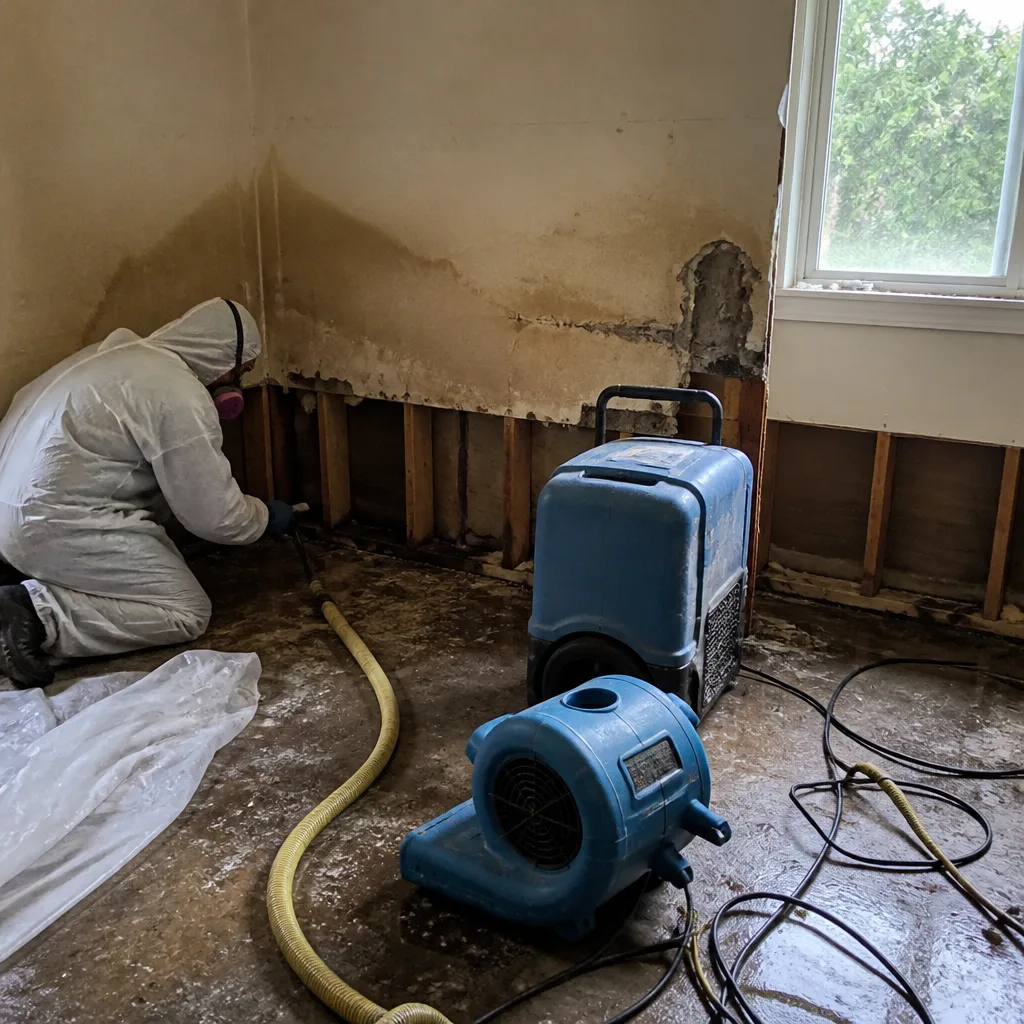 Before
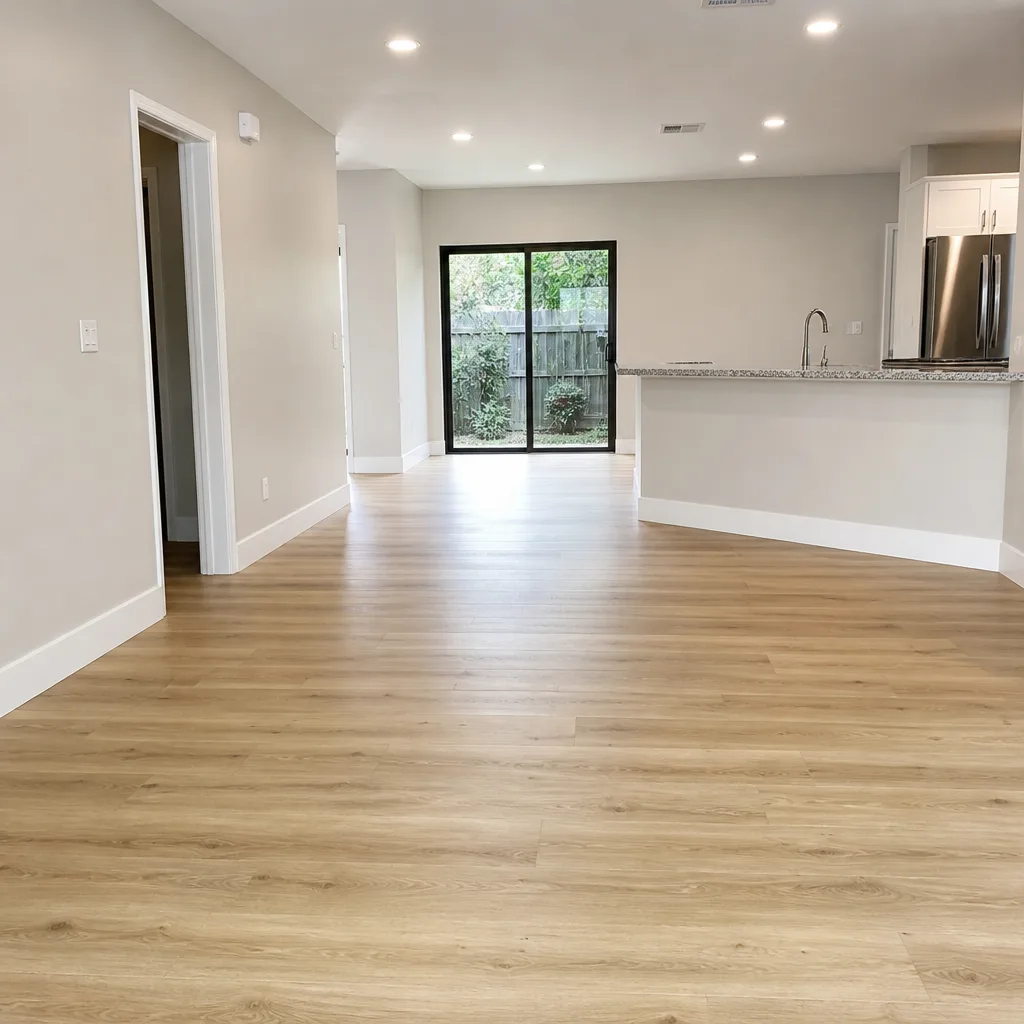 After
After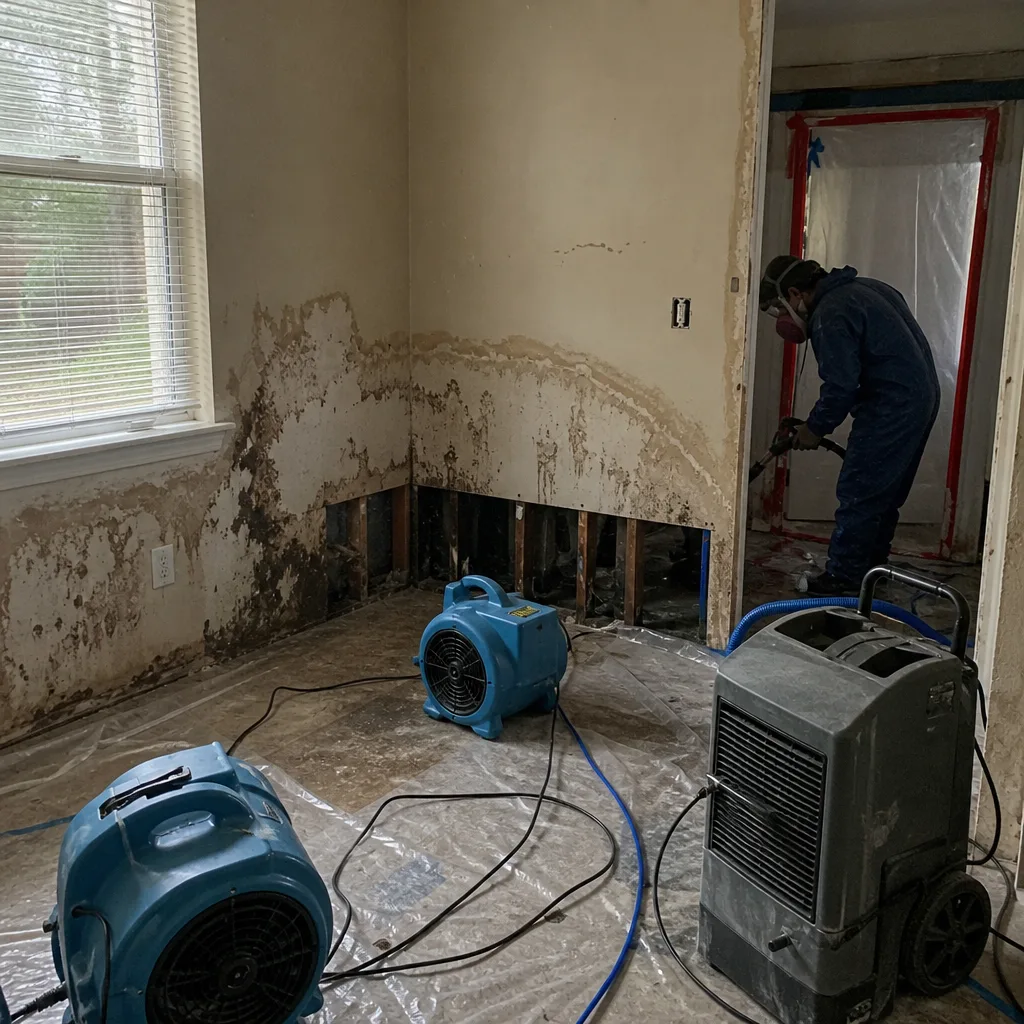 Before
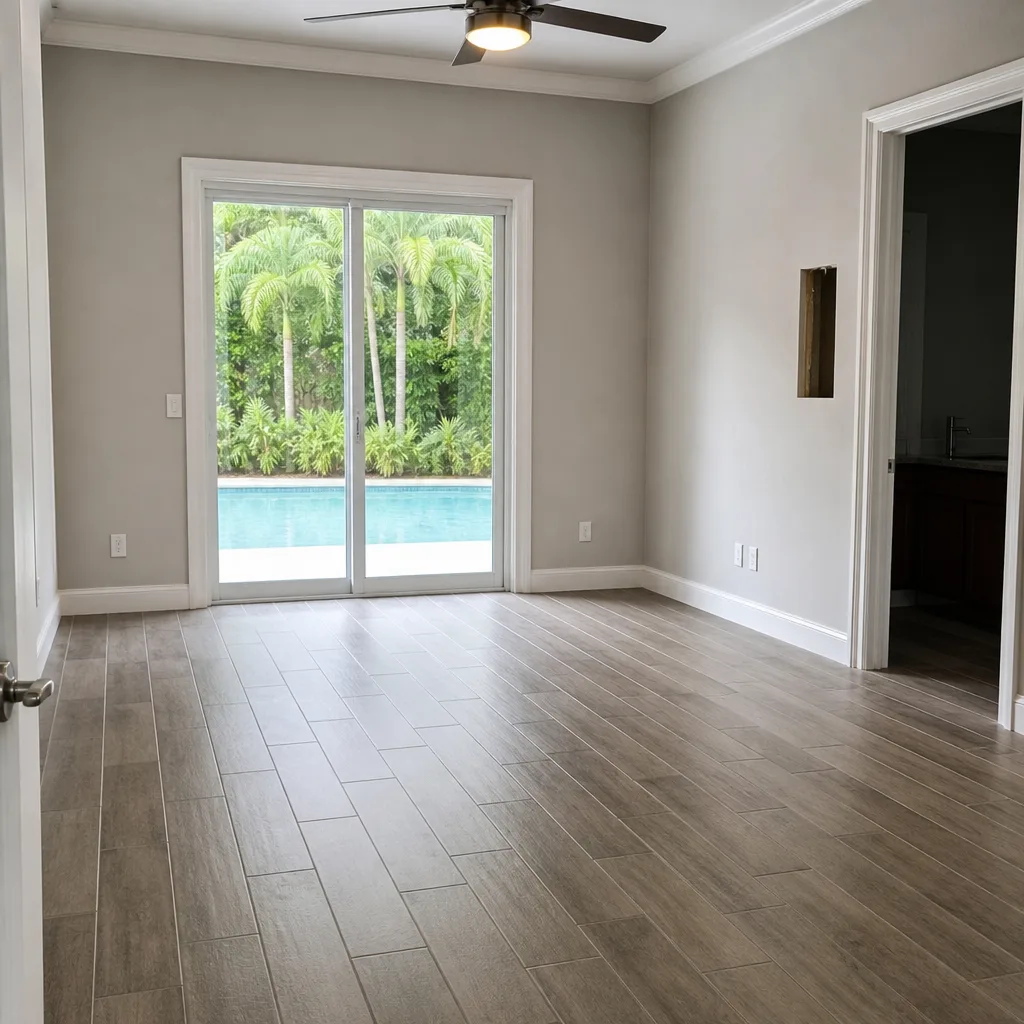 After
After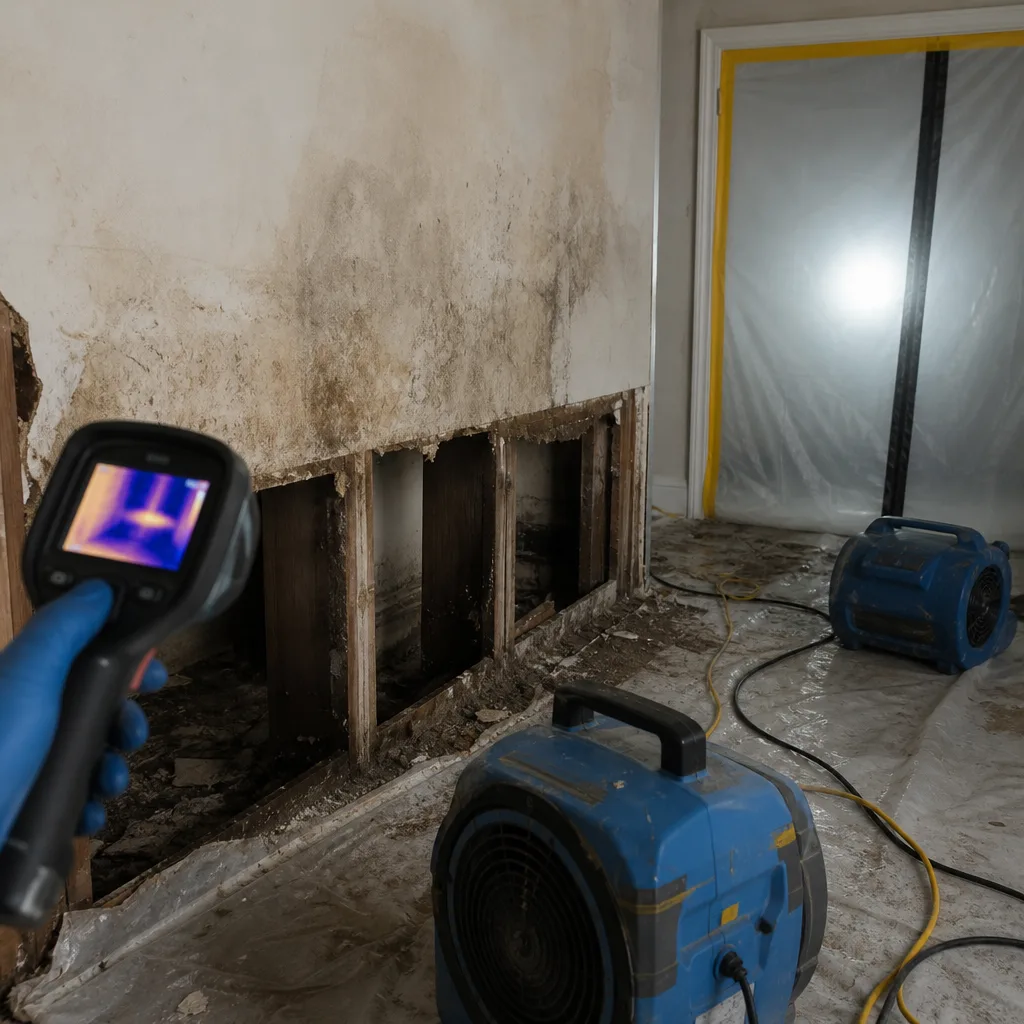 Before
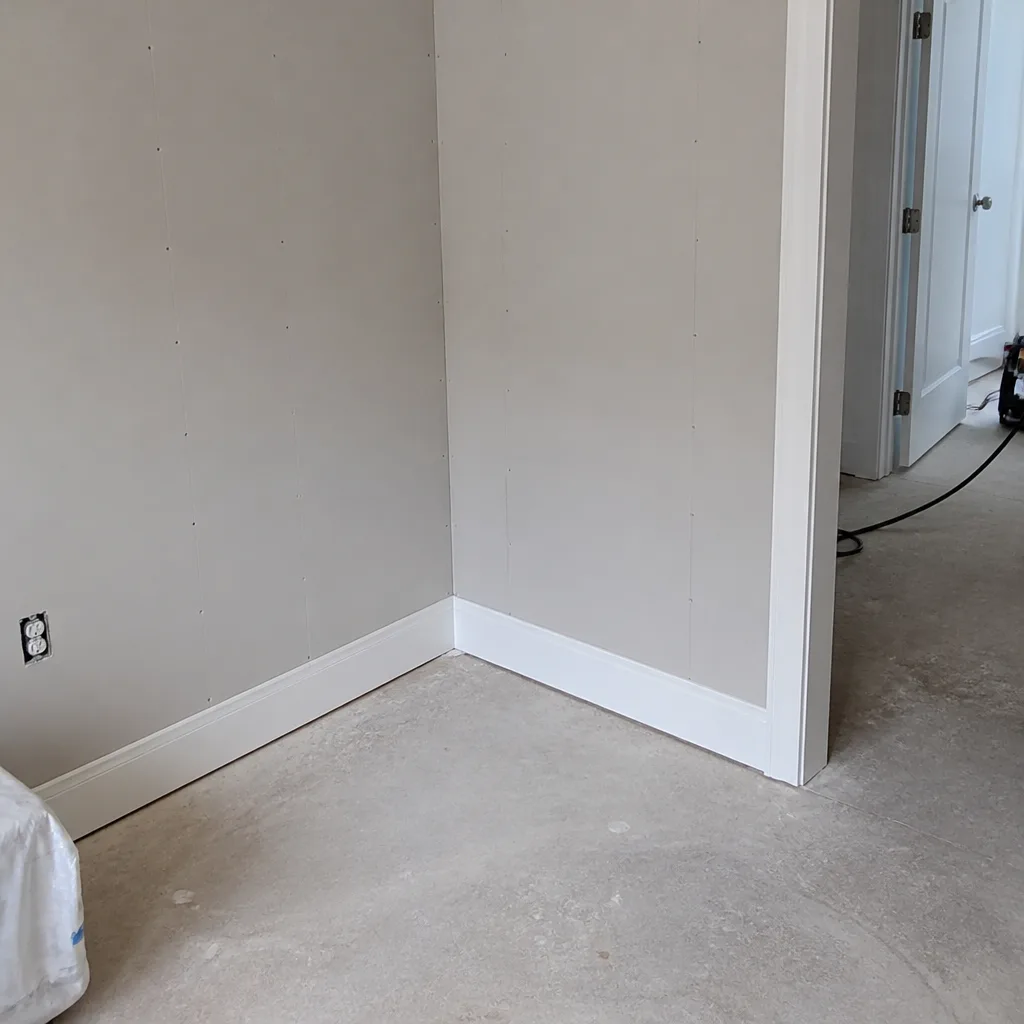 After
After