
Last updated October 16, 2026
 Water damage drying
 Fire & smoke cleanup
 Mold remediation
 Storm response
 Sewage cleanup
 Reconstruction
Free visual inspection and a written scope of work before any mitigation begins - photos, moisture readings, and drying logs go in your claim file
The scope we write is the scope we bill. Anything new gets shown to you, in writing, before we touch it.
Get your free estimateHow to Hire a Damage Restoration Contractor in West Palm Beach: A Step-by-Step Guide
Florida’s licensing framework has a hole in it, and that hole opens wide during storm season. The state does not issue a standalone “water damage restoration” license. The work falls under mold remediation, general contracting, or no license at all, depending on the scope and who is asking. That means the first contractor knocking on your door after a West Palm Beach storm may be operating with zero state oversight, and your insurance company might not catch it until your claim is already denied. This guide, along with our Complete Guide to Damage Restoration in West Palm Beach, walks you through a verification process that works even when you are standing ankle-deep in wet carpet, phone in one hand, toddler on your hip. You will learn which licenses actually matter, which contract language to refuse, and the five questions that separate a real restoration professional from an opportunist with a truck.
Restoration work we handle
Quick Answer
Hiring a damage restoration contractor in West Palm Beach requires verifying their Florida DBPR license against the specific scope of work, refusing broad assignment-of-benefits language in any contract, and getting a written price before any equipment comes off the truck. Ask for IICRC-certified technicians, confirm 24/7 live phone support, and never sign an “estimate” that functions as an open-ended work authorization. The five-question interview in this guide takes under three minutes and will expose most of the contractors you should not let through the door. For more guides & resources on protecting your home, see our blog.
Table of Contents
- Why Licensing Is the Wrong Place to Start (And What to Check Instead)
- Step 1: The Florida DBPR License Lookup, Step by Step
- Step 2: The AOB Contract Tactic and the Language to Refuse
- Step 3: The Five-Question Verbal Interview for the Door
- Step 4: Written Price Guarantees vs. “Estimated” Contracts
- Step 5: What IICRC Certification Actually Means in West Palm Beach
- What to Expect During Restoration: A Walkthrough of the First 48 Hours
- Common Mistakes to Avoid
- When to Call a Professional
- Frequently Asked Questions
- The Bottom Line
Why Licensing Is the Wrong Place to Start (And What to Check Instead)
Most hiring guides tell you to “verify the contractor is licensed.” That advice is nearly useless in Florida. Here is why: there is no “water damage restoration” license category on the Florida Department of Business and Professional Regulation (DBPR) website. A contractor doing water extraction and structural drying on your West Palm Beach home may hold a mold remediation license, a certified general contractor license, a specialty contractor license, or no license at all, and all four scenarios are legal depending on the scope of work being performed.
This is not an oversight. It is a structural feature of Florida’s licensing code, and unlicensed operators know exactly how to exploit it. A crew can show up after a storm, extract water, set up fans, and bill your insurance company without ever touching a scope that triggers a license requirement. By the time anyone realizes the drying was incomplete and mold has set in behind your baseboards, the operator has moved on to the next flooded street.
The correct starting point is not “are you licensed?” It is “which license covers the work you are about to perform in my home, and will you show me the number?” A legitimate West Palm Beach restoration company answers that question without hesitation. An evasive one changes the subject to how quickly mold can grow, which is itself a warning sign of a pressure tactic rather than a professional assessment.
We have been restoring homes in West Palm Beach since 2006, and we have watched the licensing gap widen as storm seasons intensify. The homeowners who fare best are the ones who treat licensing as a scope-specific question, not a yes-or-no checkbox. Ask what specific work will be performed, then verify that the contractor holds a license covering that specific work. A mold remediation license does not authorize structural repairs. A general contractor license does not, by itself, indicate proficiency in psychrometry or drying science.
Step 1: The Florida DBPR License Lookup, Step by Step
The Florida DBPR website is the single most underused tool in the restoration hiring process. It is free, it is searchable from your phone, and it takes about four minutes to confirm whether a contractor exists in the state system and what their license actually covers. Here is exactly how to use it while you are standing in a wet hallway.
- Open your phone browser and go to the Florida DBPR website. Look for “Verify a License” on the homepage and tap it.
- Select “Search by Name” and enter the contractor’s name exactly as it appears on their business card or marketing materials. If the name does not appear, try the company name as registered. Many Florida contractors operate under a DBA (doing business as) name that differs from their licensed entity name.
- When the search returns results, open the license record. Note the license type, not just the license number. A “Certified General Contractor” is not the same as a “Mold Remediation” license. Note the license status. It should say “Current, Active” or “Current, Active with Conditions.” “Delinquent” or “Null and Void” means walk away.
- Scroll down to the complaint and discipline history. This section exists for a reason. If a contractor has a pattern of disciplinary actions, you will see it here, and no website review section will show you the same information.
- If the contractor shows no DBPR record at all, ask directly why. Some restoration scopes genuinely do not require a state license, but the contractor should be able to explain which exemption applies and why your specific job falls under it. A blank stare is an answer by itself.
One clarification on the license categories that actually matter for restoration work in West Palm Beach. Water extraction and structural drying performed by a technician working under the umbrella of a mold remediation license is standard. The mold remediation license covers water damage restoration when mold is present or likely to develop. General contractor licenses cover the repair and reconstruction phase, replacing drywall, flooring, and structural components after drying is complete. Some restoration companies hold both license types, which is a meaningful signal that they can handle the entire job from extraction to final paint without subcontracting to an unknown third party.
Do not be impressed by a contractor who shows you a business license from the City of West Palm Beach. A municipal business tax receipt is not a professional license. It means the business paid a fee to operate in the city. It says nothing about competence in drying science, mold protocol, or construction. The DBPR license is the one that matters.
Step 2: The AOB Contract Tactic and the Language to Refuse
Assignment of benefits, known in Florida as AOB, is a legal mechanism that lets a homeowner sign over their insurance claim rights to a contractor. In theory, AOB exists to let restoration work begin immediately while the contractor deals directly with the insurance company. In practice, in South Florida, AOB has been weaponized so systematically that the Florida legislature has repeatedly stepped in to restrict it. You should still be cautious.
Here is the specific language to refuse. Do not sign any contract that contains a clause assigning “any and all rights, benefits, and causes of action” under your insurance policy to the restoration contractor. Do not sign language that authorizes the contractor to “communicate directly with the insurance company on homeowner’s behalf” without your involvement. Do not sign a document you have not read in full, even if the contractor is holding a tablet and tapping the screen impatiently. AOB paperwork is often presented as “just an authorization to start work.” It is a legal assignment of your policy benefits.
What happens if you sign a bad AOB? The contractor can bill your insurance company directly at rates your policy may not cover. If the insurer disputes the charges, the dispute is between the contractor and the insurer, and you are caught in the middle. In the worst cases, the contractor files suit against the insurer, no restoration work is ever completed, and a lien is placed on your home. This is not hypothetical. Palm Beach County has been ground zero for AOB abuse, and the state has had to rewrite insurance statutes in response.
The version of AOB that works for homeowners is narrow and specific. It assigns only the right to receive payment for the specific scope of work listed in the contract, at the specific price listed in the contract, for the specific property address. It does not assign rights to pursue litigation. It does not assign rights to renegotiate the policy. A reputable West Palm Beach restoration company will show you the exact clause and explain what it does and does not assign. Anyone who will not show you the clause before you sign should not be in your home.
We do not use AOB at Tidemark Water Damage West Palm Beach. You get a written price before work starts, and you see the number before anyone picks up a tool. You stay in control of your claim from start to finish.
Step 3: The Five-Question Verbal Interview for the Door
You do not need to become a restoration expert to spot a contractor who is not one. You need five questions and about three minutes. These questions are designed to be delivered at the door, while the contractor is doing their initial walkthrough, or on the phone before you let anyone into your home. The specific answers that indicate a trustworthy versus evasive contractor are included here.
Question 1: “Which of your technicians will be in my home, and what certifications do they hold?”
A trustworthy answer names specific people and specific credentials. “Our lead technician is IICRC-certified in water damage restoration, and our drying specialist carries an ASD certification.” An evasive answer speaks in generalities: “All our guys are trained” or “We have certified technicians on staff.” “On staff” can mean one person who never visits your home while uncertified hourly labor does the actual work.
Question 2: “What equipment will you use to dry my home?”
A trustworthy answer names equipment brands and explains placement logic. “We run Dri-Eaz dehumidifiers and Phoenix air movers, and we position them based on moisture mapping from the initial assessment.” An evasive answer says “industrial fans” or “dryers” or, most tellingly, does not describe the equipment at all. Restoration is an equipment-driven trade. If the contractor cannot name what they will use and why, they are not the operator running your job.
Question 3: “Will you give me a written price before any work starts?”
A trustworthy answer is one word: yes. No qualifications. No “well, it depends on what the adjuster says.” No “we bill insurance, you won’t pay anything.” The written-price-before-work standard is non-negotiable in this industry, and any hesitation on this question is a red flag. An evasive answer explains that restoration pricing is “complex” or “depends on conditions.” It does not depend. It gets scoped, it gets priced, and you see the number before equipment comes off the truck.
Question 4: “What does your contract say about assignment of benefits?”
A trustworthy answer uses precise language. “We don’t use AOB” or “We assign only payment for the specific scope listed in the contract.” An evasive answer says “it’s just standard paperwork” or “you need to sign it so we can talk to your insurance company.” You do not need to sign an AOB for a contractor to communicate with your insurer. That is a false choice, and it is a hallmark of the AOB abuse pattern.
Question 5: “Who handles the rebuild if I need drywall and flooring replaced?”
A trustworthy answer is specific. “We hold a general contractor license and handle reconstruction in-house” or “We use a named subcontractor, here is their license number, and here is the written price for their scope.” An evasive answer is “we’ll figure that out later” or “we work with a few guys.” “We work with a few guys” means you will be hiring an unknown entity mid-project, with no ability to vet them, and no one on the hook for warranty continuity.
These five questions expose most of what a homeowner needs to know. The contractor who answers clearly, quickly, and without hedging is likely legitimate. The contractor who stalls, deflects, or gets irritated is telling you something.
Step 4: Written Price Guarantees vs. “Estimated” Contracts
The single most important document in a restoration job is not the certification, the license, or the insurance certificate. It is the written price you see before work begins. Here is what a written price protects and what an “estimated” contract exposes, with real dollar context for a mid-size West Palm Beach home.
A written price guarantee means exactly that: the scope is defined, the price is fixed, and that is the number on the final invoice. No surprises. A water damage restoration job on a 2,000-square-foot West Palm Beach home with moderate Category 2 water intrusion, requiring extraction, drying, and some baseboard removal, typically runs between $3,800 and $7,200 in our market. See our Water Damage Restoration Maintenance Checklist for West Palm Beach Homeowners for steps to prevent recurring issues. You see that number in writing before the first dehumidifier is unloaded.
An “estimated” contract is a document with a range, or a line item list with “TBD” next to the labor, or a “time and materials” clause that functions as an open-ended work authorization. The contractor bills by the hour, by the day, and by the equipment. Costs drift upward. Insurance adjusters challenge bills. You get caught in the middle. The “estimate” language is not accidental. It is designed to protect the contractor from scope creep at your expense.
West Palm Beach homeowners should also understand that restoration pricing is not arbitrary. It reflects the cost of professional-grade equipment, certified labor, materials, and the overhead of a company that answers its phone at midnight. A written price from a legitimate company will be higher than a cash-only price from an unlicensed operator. That higher number buys you accountability, a warranty, and someone to call if the drying does not work. The unlicensed operator disappears the moment the check clears.
Ask to see the written price before the work starts. Read it. Ask questions about any line item you do not understand. Then sign it, and keep a copy on your phone. This is not a special accommodation. It is the baseline standard of care, and it is non-negotiable.
Step 5: What IICRC Certification Actually Means in West Palm Beach
The IICRC, the Institute of Inspection, Cleaning and Restoration Certification, is the closest thing the restoration industry has to a standards body. But the IICRC issues many different certifications, and not all of them are relevant to your West Palm Beach water damage job. Here is how to read the credential alphabet so you are not misled by credential-stacking.
The IICRC certifications that matter for water damage restoration are specific. WRT, Water Damage Restoration Technician, is the foundational certification for anyone performing water extraction, structural drying, and dehumidification. ASD, Applied Structural Drying, is the advanced certification covering psychrometry, moisture mapping, and drying chamber management. AMRT, Applied Microbial Remediation Technician, covers mold remediation protocol and containment. CCT, Carpet Cleaning Technician, is a carpet cleaning certification, and it says nothing about water damage restoration competence.
Why does this matter? Because a contractor can truthfully say “IICRC-certified technicians” and be certified in carpet cleaning, not water damage restoration. The phrase is technically true and practically meaningless. Ask which certifications, by abbreviation, the technicians who will be in your home actually hold. If the answer is WRT and ASD, you are talking to a genuine water damage professional. If the answer is “IICRC certified” with no further specificity, ask again.
The same logic applies to RIA, the Restoration Industry Association. RIA membership signals a company-level commitment to restoration standards, but it is not a technician-level certification. Do not accept “RIA member” as a substitute for individual technician credentials. A company with RIA affiliation and IICRC-certified technicians is doing things correctly. A company with RIA affiliation and no certified technicians is a marketing operation.
We hold IICRC, RIA, and IFA credentials across our technician team at Tidemark Water Damage West Palm Beach. The combination matters because water damage restoration requires multiple disciplines: drying science, mold protocol, and fire restoration each have distinct standards. Credential-stacking is not the problem. Credential-misleading is. Ask for specifics, and you will get them.
What to Expect During Restoration: A Walkthrough of the First 48 Hours
Hiring the contractor is step one. Knowing what should happen once they arrive is step two, because a legitimate restoration process follows a predictable pattern. Here is what the first 48 hours should look like from a West Palm Beach homeowner’s perspective.
Hour 0-2: Assessment and scope. The contractor arrives, introduces the lead technician by name, and walks the affected area. They ask where the water came from, when you first noticed it, and whether you have contacted your insurance company. They do not start ripping out drywall in the first ten minutes. They assess first, because the assessment drives the scope, and the scope drives the written price.
Hour 2-4: Scope and price. You receive a written price. This is the point at which many homeowners discover whether they hired a professional or an opportunist. The professional hands you a document with a fixed number. The opportunist says “we’ll bill insurance” and pulls out a tablet with an AOB clause.
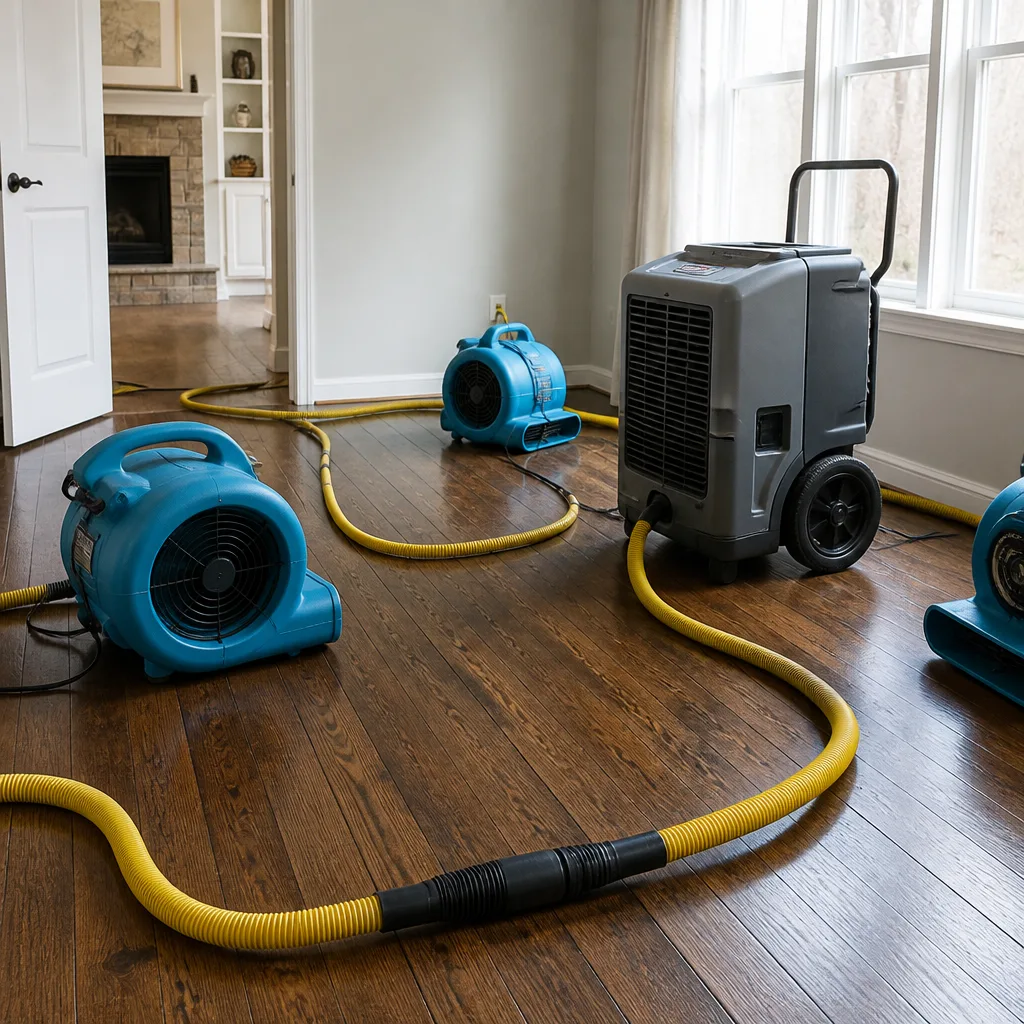
Hour 4-24: Extraction and equipment placement. Water is extracted. Moisture mapping identifies where water traveled. Drying equipment goes in, positioned according to the moisture map, not just dropped in the center of the room. Shoe covers go on at the door. Drop cloths cover the floor before the first piece of equipment comes in. This is standard on every job, not an upsell.
Day 2: Monitoring and adjustment. The contractor returns to check moisture readings, reposition equipment if needed, and communicate progress. You should know what the readings were, what they are now, and what the target is. You should not be left guessing whether the drying is working.
This sequence is not a luxury. It is the minimum standard of care, and it is what the 365-Day Done Right Promise is built on: if the restoration is not done right, it gets made right.
Common Mistakes to Avoid
- Hiring the first contractor who shows up. After a storm, unlicensed operators canvas flooded neighborhoods in West Palm Beach, and their opening line is usually some version of “we’re already working on your street.” Do not sign anything at your door. Take their information, verify it, and compare.
- Skipping the DBPR license lookup. The four-minute check exposes the contractors who are not in the system and the ones with disciplinary histories. It is the highest-value time investment you will make in the entire hiring process.
- Signing an AOB without reading the exact language. A broad AOB assigns your insurance rights to a third party. You would not sign a power of attorney without reading it. Treat an AOB the same way.
- Accepting “we bill insurance” as a pricing answer. “We bill insurance” means you do not know the price, you do not know the scope, and you do not know what is being billed to your policy. Get the written number first.
- Assuming all IICRC certifications are the same. Carpet cleaning certification is not water damage restoration certification. Ask which specific credentials the technicians hold.
- Waiting to act on water damage. Standing water in a West Palm Beach home is not stable. It migrates, it wicks up drywall, and it creates conditions for mold growth. The clock starts the moment the water stops flowing, not when the adjuster calls back.
- Choosing the lowest price without checking credentials. The cash-only contractor with no DBPR license and no written price is cheaper for a reason. The cost shows up later, in the form of mold behind walls, failed drying, and a claim your insurer will not cover.
When to Call a Professional
Call a professional restoration contractor when water has affected more than a single room, when water has wicked up drywall or soaked into flooring, when the water source is a sewage line or exterior floodwater, when you smell mold or see visible growth larger than a dinner plate, or when a fire has left soot on surfaces throughout the home. These are not DIY situations. They require commercial drying equipment, moisture mapping, and containment protocols that protect the rest of the house. West Palm Beach humidity accelerates mold growth year-round, which means the margin for error is thinner than in drier climates. Tidemark Water Damage West Palm Beach offers free estimates in West Palm Beach. Call (728) 231-8456 and speak to a live person, no matter the hour.
Frequently Asked Questions
Most homeowners insurance policies cover sudden and accidental water damage, such as a burst pipe or a storm-related roof leak, but coverage depends on the specific policy language and the cause of the damage. Flood damage from rising water is generally excluded from standard policies and requires separate flood insurance through the NFIP or a private carrier. Document everything with photos before any work begins, and communicate with your adjuster directly rather than routing all communication through a contractor.
A legitimate West Palm Beach restoration company answers the phone 24/7 and can typically have a technician on site within hours, not days. Water damage is time-sensitive. Water damage restoration in West Palm Beach is about drying past the tide mark, and every hour of standing water extends the drying timeline. Call (728) 231-8456 for a free estimate and immediate dispatch.
The answer depends on what the water touched and how long it sat. Clean water from a supply line that is extracted within hours may only require drying. Water that sat overnight, touched drywall, or involved sewage or exterior floodwater requires remediation, including removal of affected materials and antimicrobial treatment. A credentialed technician can tell you which applies after a moisture-mapping assessment. If mold is already present, mold remediation in West Palm Beach follows IICRC protocol with containment and clearance testing.
You do, ideally with support from a restoration company that documents everything in writing. Photo documentation matters: before-work photos, scope documentation, and after-work photos of the cleanup. A restoration company that provides a written scope and photo documentation gives your adjuster exactly what they need to process the claim. At Tidemark Water Damage West Palm Beach, a photo of the clean-up is taken and shared before the crew leaves, so you see exactly what was done and how it was left.
Ask about protection protocols before you hire. The standard you should expect: shoe covers at the door, drop cloths over floors and furniture in the work path, and a photograph of the cleaned-up area before the crew departs. If a contractor does not mention floor protection, ask. If they treat it as an optional add-on, that tells you how they will treat your home. These are standard steps, not upgrades.
The 365-Day Done Right Promise means if the restoration is not done right, it gets made right. In practice, that covers recurrence of issues addressed in the original scope, failed drying, or workmanship problems discovered after the crew has left. It is not a warranty on your plumbing or roof. It is a guarantee that the restoration work itself holds up, and it is in writing. If you need fire damage restoration in West Palm Beach, the same standard applies.
The Bottom Line
Hiring a damage restoration contractor in West Palm Beach is a high-stakes decision made under pressure, and the industry’s licensing structure makes it easier than it should be for unqualified operators to get through the door. The process that protects you is simple: verify the DBPR license against the specific scope of work, refuse broad AOB language, ask the five-question interview, and demand a written price before any work starts. Check for IICRC credentials that match the damage type, not just the IICRC name. West Palm Beach humidity does not wait, but neither should your standards. A good restoration company answers your questions clearly, prices the job in writing, and leaves your home cleaner than they found it. Anything less is not a restoration company. It is a risk you do not need to take.
Written by Rick Sumner, Owner at Tidemark Water Damage West Palm Beach, serving West Palm Beach since 2006.
See the difference
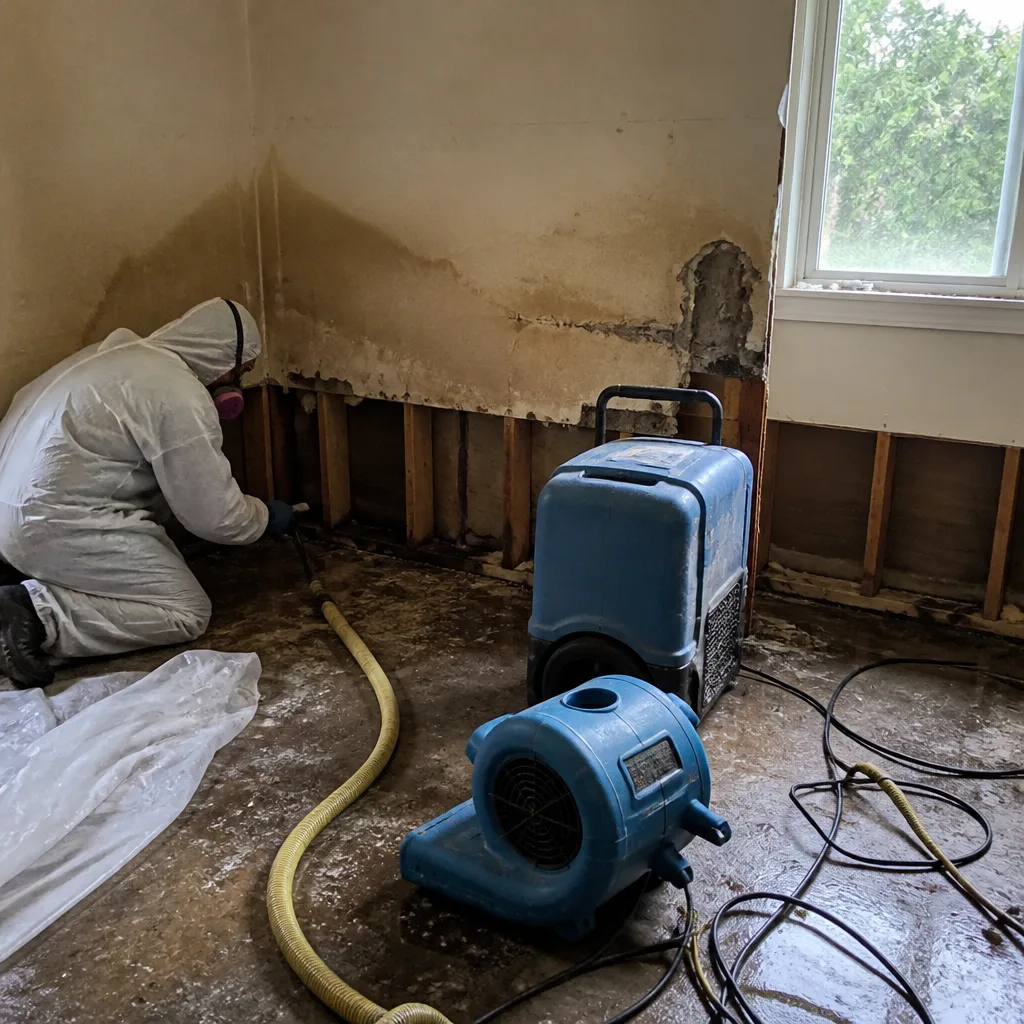 Before
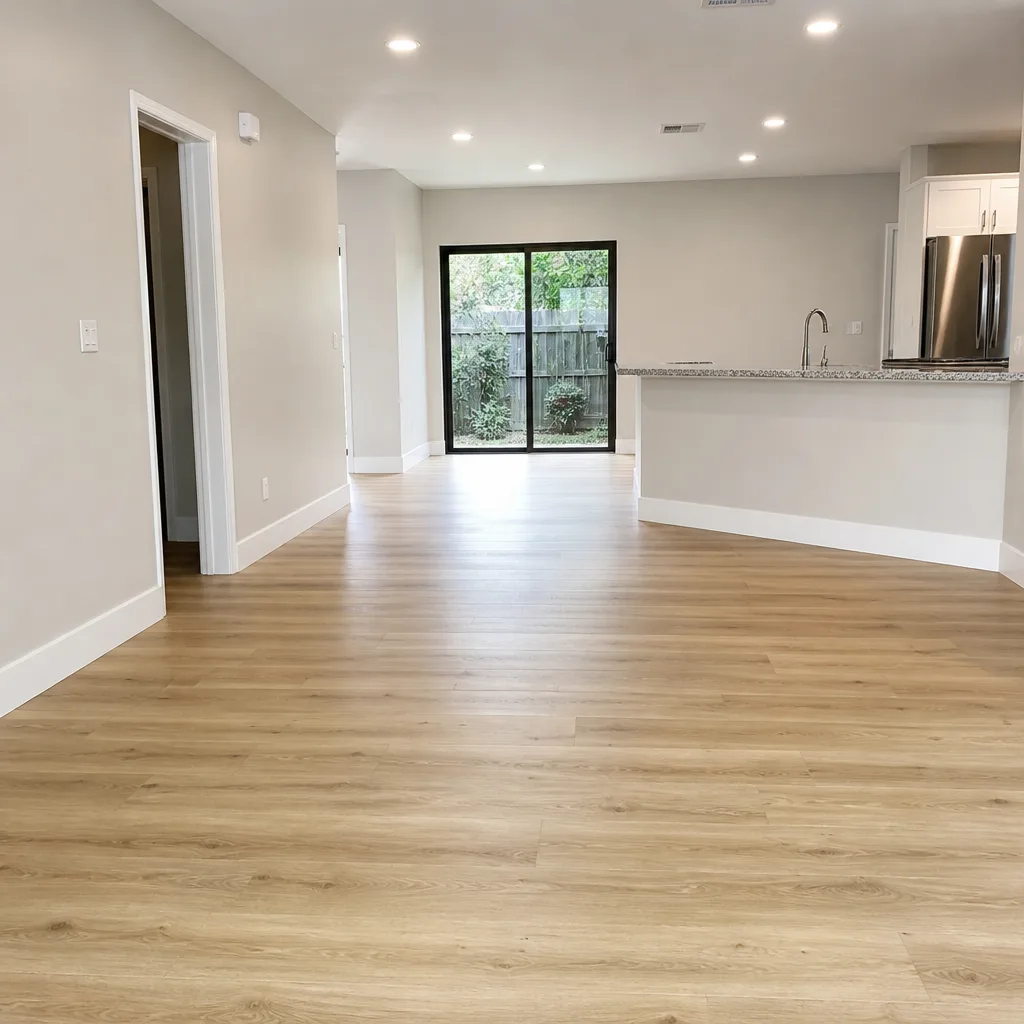 After
After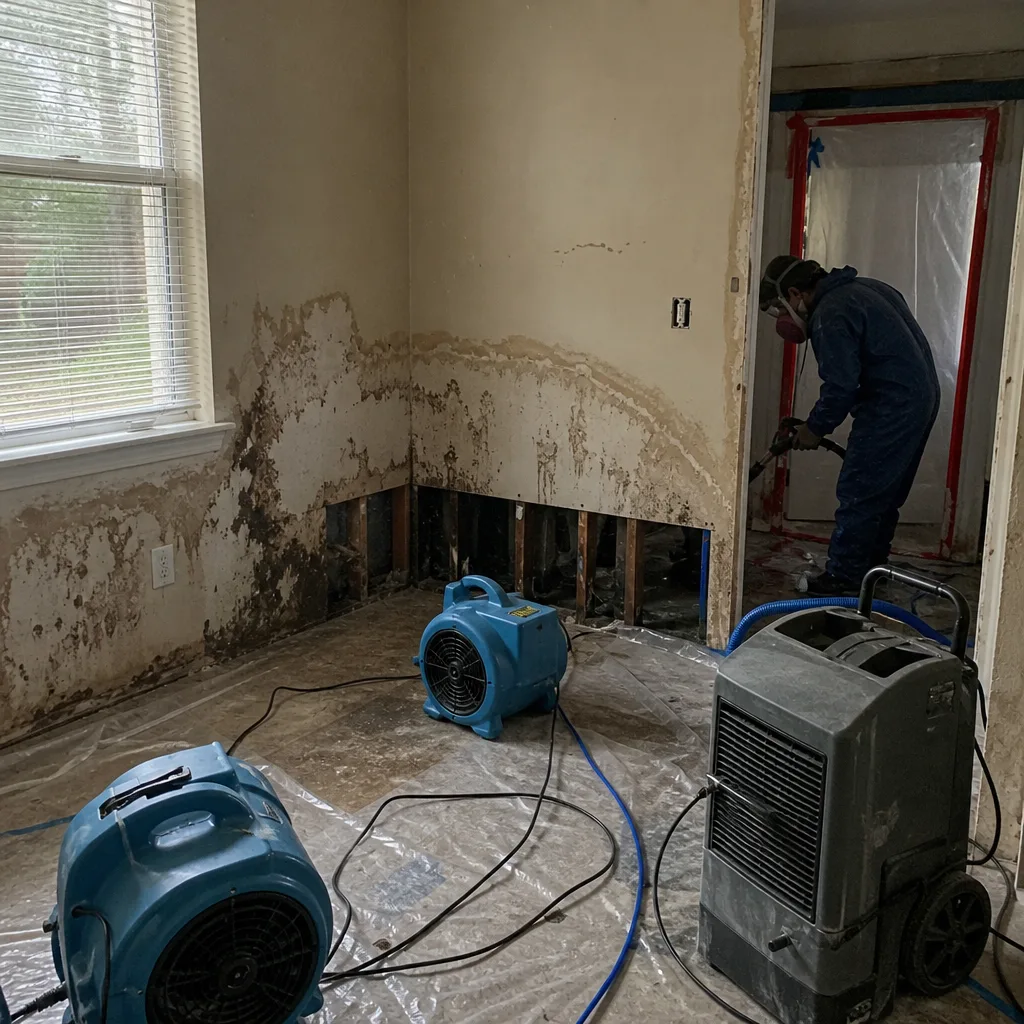 Before
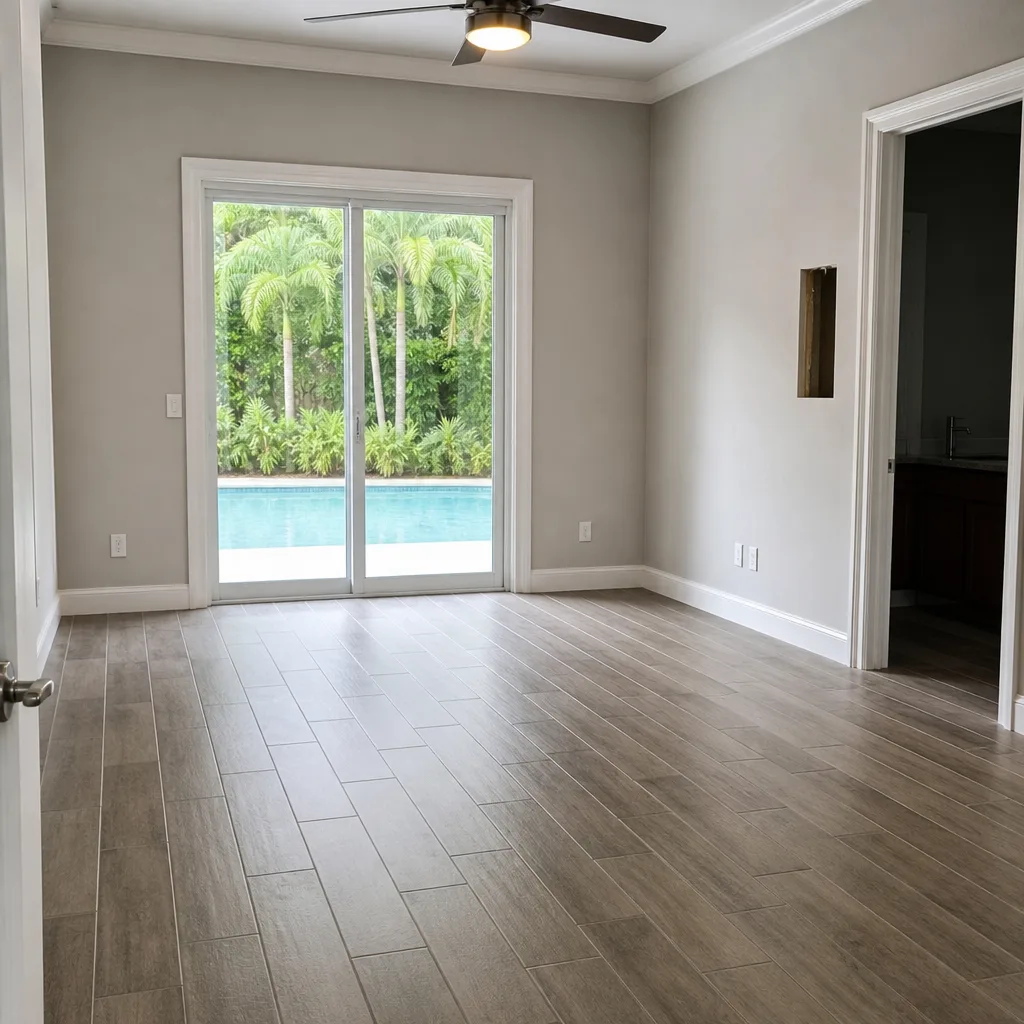 After
After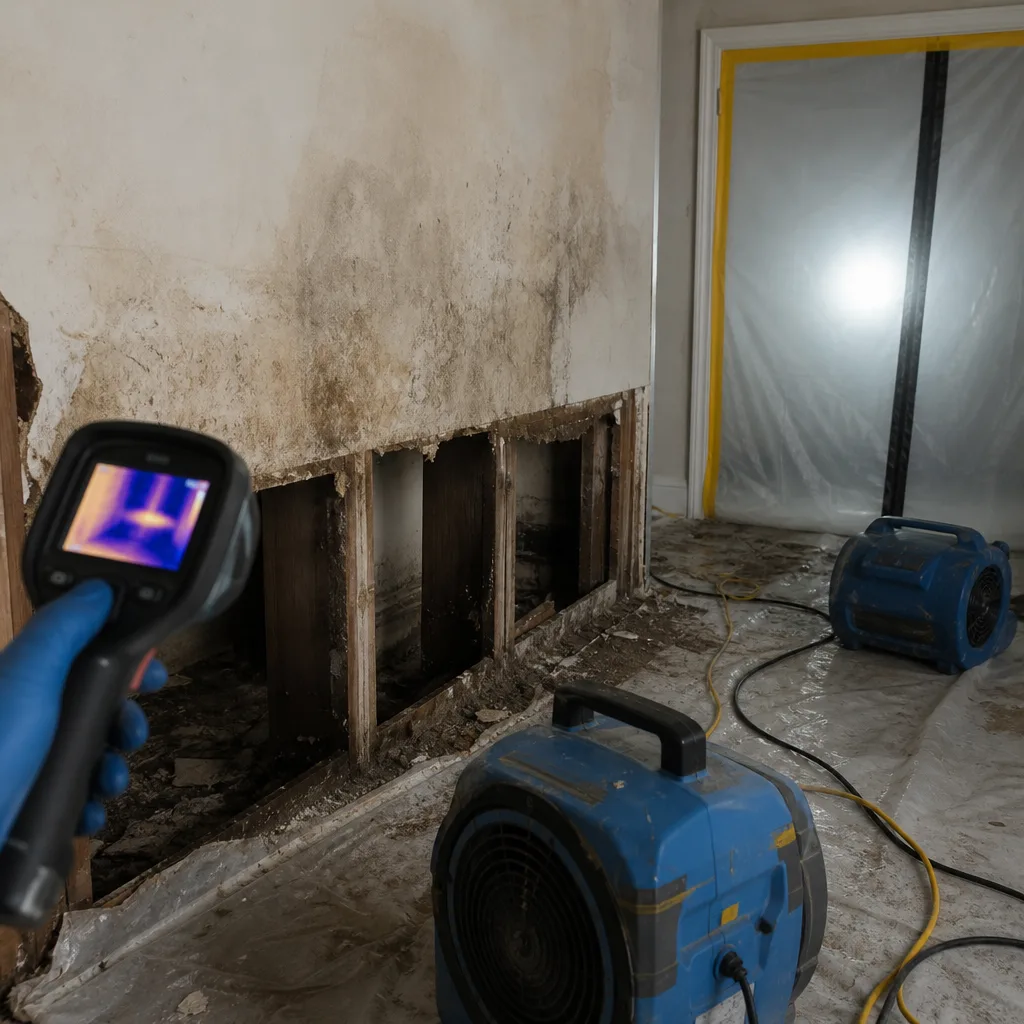 Before
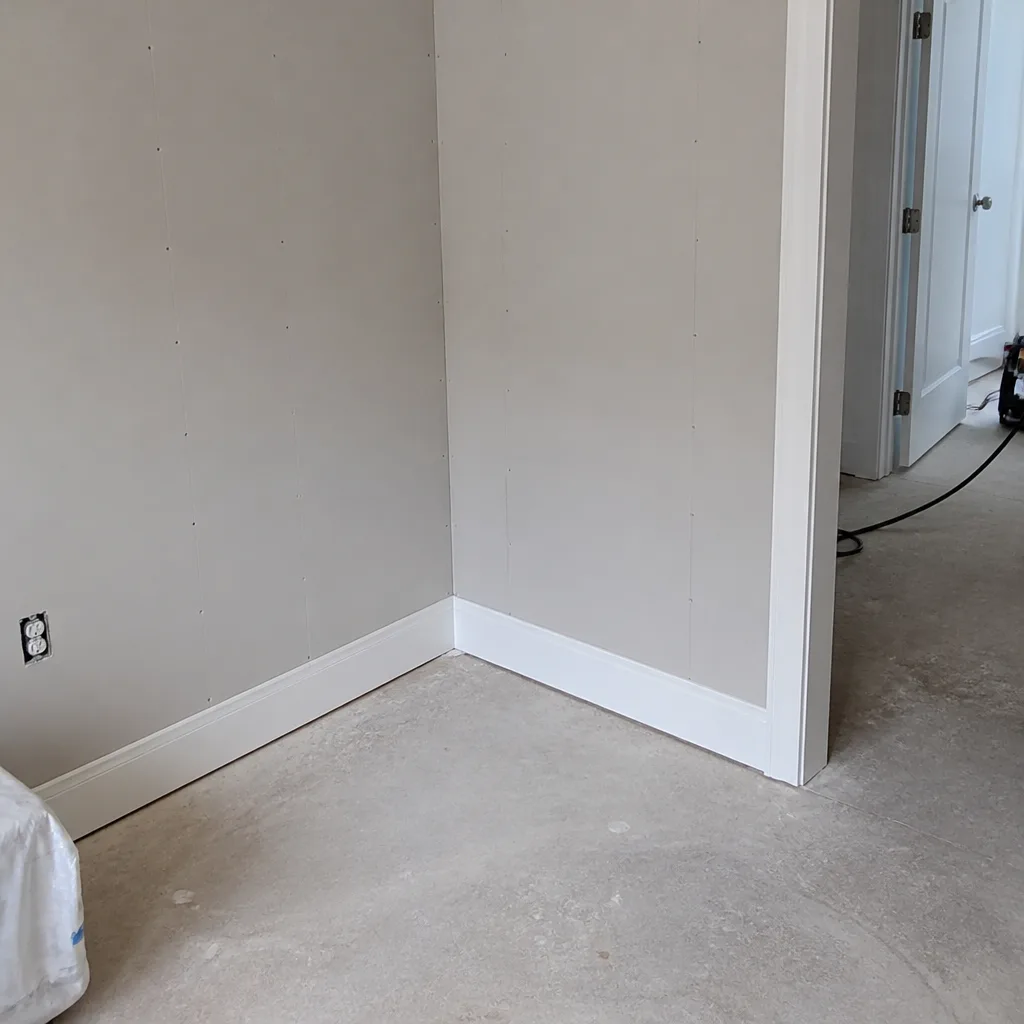 After
After