
Last updated October 16, 2026
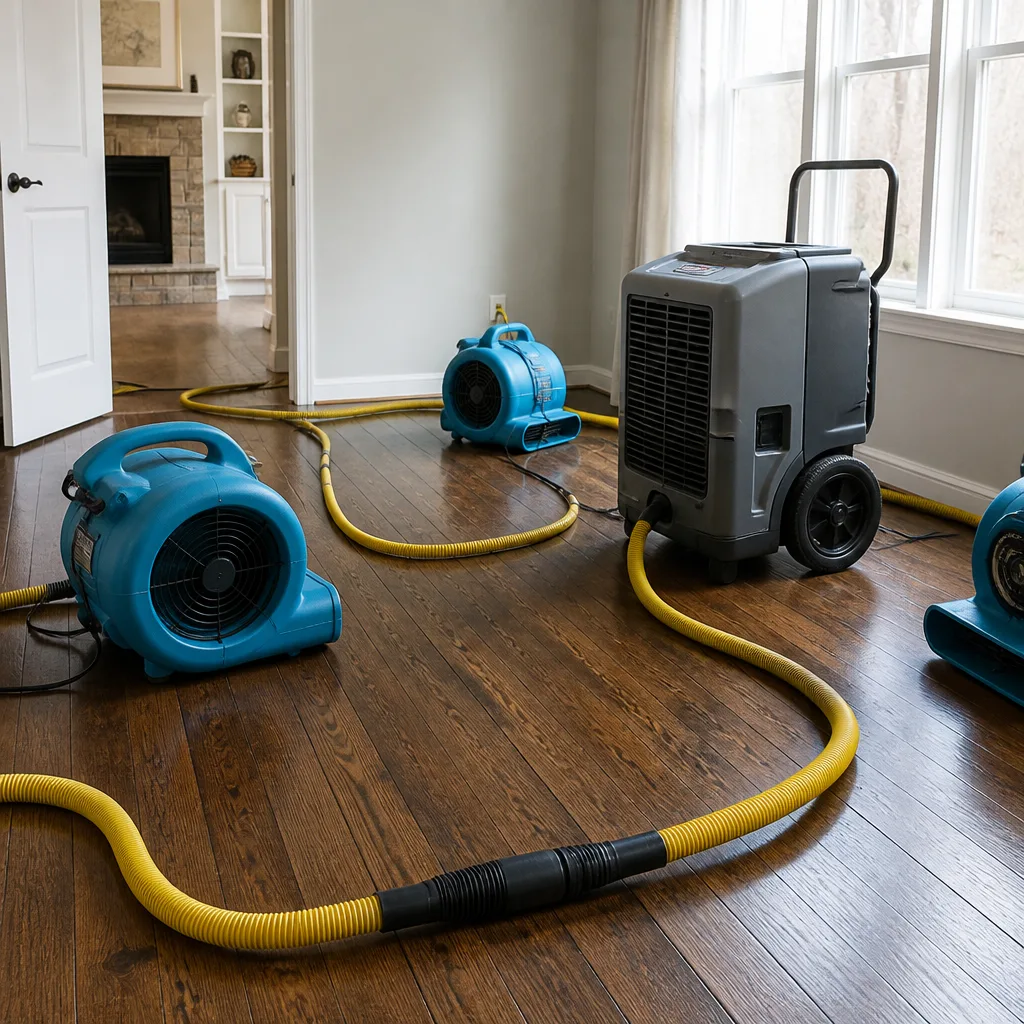 Water damage drying
 Fire & smoke cleanup
 Mold remediation
 Storm response
 Sewage cleanup
 Reconstruction
Free visual inspection and a written scope of work before any mitigation begins - photos, moisture readings, and drying logs go in your claim file
The scope we write is the scope we bill. Anything new gets shown to you, in writing, before we touch it.
Get your free estimateDamage Restoration Permits, Codes & Inspections in FL: What You Need to Know
A homeowner in Palm Beach County who accepts a “no permit needed” assurance from a restoration contractor for structural drywall replacement is not getting a shortcut. They are inheriting a title defect that will surface at the worst possible time: the closing table. Florida’s permitting system for restoration work is misunderstood by homeowners and, frankly, by some contractors who would rather skip the paperwork than wait for an inspector. This guide walks through exactly which restoration tasks cross the permit threshold in Palm Beach County, what happens if you skip them, and how to protect yourself from the moment the first piece of drywall comes out. For damage restoration warning signs every West Palm Beach homeowner should know, see our companion resource.
Restoration work we handle
Quick Answer
In Florida, restoration work that includes structural drywall replacement, electrical repairs touched during demolition, HVAC duct replacement, or project costs exceeding certain county thresholds requires a permit before work begins. Skipping a permit can block a future home sale, void a homeowners insurance policy mid-claim, and leave you with a county re-do order. In West Palm Beach and throughout Palm Beach County, the permitting authority for single-family homes is the city or the county’s Planning, Zoning and Building Department, and the trigger points are more specific than most people realize. If you’re weighing whether to handle repairs yourself, our DIY vs professional damage restoration guide for West Palm Beach covers when permits make professional help essential.
Table of Contents
- When a Restoration Permit Is Actually Required in Palm Beach County
- Florida’s 50% Rule and What It Means for Older West Palm Beach Homes
- What Happens When Unpermitted Restoration Work Is Discovered
- What a Final Inspection Actually Covers for Restoration Work
- How Permits Interact With Your Insurance Claim
- The Palm Beach County Permitting Process, Step by Step
- Common Mistakes to Avoid
- When to Call a Professional
- Frequently Asked Questions
- The Bottom Line
When a Restoration Permit Is Actually Required in Palm Beach County
Most homeowners assume that restoration work is somehow separate from remodeling or new construction when it comes to permits. That assumption is wrong, and it is expensive. In Palm Beach County, a permit is required when restoration crosses from cosmetic repair into structural work. The line is specific: replacing rotted or water-damaged drywall panels down to the studs on a load-bearing wall is structural work. Patching a small hole is not. Removing and replacing electrical wiring that was damaged by water or fire is electrical work, and it needs an electrical permit. Replacing HVAC ducts that were saturated during a sewage backup or damaged by fire needs a mechanical permit.
Here are the restoration tasks that trigger the permit threshold in Palm Beach County:
- Structural drywall replacement: If more than a small patch of drywall is being removed and replaced on a wall that bears load, the county considers this structural work. This includes fire-damage demolition that exposes studs, water-damage tear-outs that remove entire wall sections, and any work that involves cutting into a shear wall.
- Electrical work touched during demolition: Water and fire damage often requires disconnecting outlets, switches, and fixtures. If the restoration crew touches any wiring, including reconnecting a single outlet that was removed during the tear-out, an electrical permit is required under the Florida Building Code as adopted by Palm Beach County.
- HVAC duct replacement: Mold remediation and fire restoration often involve replacing ductwork. The Florida Mechanical Code requires a permit for duct replacement beyond simple cleaning or minor repair. In Palm Beach County, full duct replacement is a mechanical permit item.
- Roof repair or replacement after storm damage: Even partial roof repair after hurricane or wind damage requires a roofing permit in Palm Beach County. The permit type depends on the size of the repair area, and a final inspection is mandatory before the roof is considered complete.
- Work exceeding defined dollar thresholds: Palm Beach County uses project valuations to determine whether a permit is required even when the work itself would otherwise be considered repair. If labor and materials exceed $2,500 for a single trade on a single-family residence, a permit is generally required in unincorporated county areas, and most municipalities in the county have similar valuation triggers.
Florida’s 50% Rule and What It Means for Older West Palm Beach Homes
Florida’s 50% rule is a provision of the National Flood Insurance Program codified into state law, and it catches older West Palm Beach homeowners by surprise in a way nothing else does. The rule says that if the cost of repairs or improvements to a structure exceeds 50% of the structure’s assessed value, the entire structure must be brought into compliance with current flood zone building codes, not just the damaged portion. For a 1950s or 1960s home in a flood zone, assessed at $200,000 for the structure, that means restoration costs of $100,000 or more trigger a full elevation or floodproofing requirement that can cost tens of thousands of dollars more.
Here is how the 50% rule actually plays out in West Palm Beach neighborhoods:
- The assessed value is the structure only, not the land. The Palm Beach County Property Appraiser’s office keeps separate values for land and improvements. The 50% calculation uses the structure value from the most recent tax assessment. Land values in West Palm Beach have risen sharply, which sometimes means structure values are lower than homeowners expect, making the 50% threshold easier to cross.
- The calculation includes all restoration costs. This means labor, materials, demolition, debris removal, and even mitigation costs like water extraction and drying if they are part of the same claim. If a water damage restoration project in a modest home runs to $90,000 including all trades, and the structure is assessed at $175,000, the homeowner has crossed the 50% threshold.
- Skipping permits does not skip the rule. The 50% rule is enforced through the permitting process, but a homeowner who avoids permits and later files a claim or tries to sell will find that the unpermitted work triggers compliance review at the worst possible moment. The county can require retroactive compliance.
- Compliance means bringing the structure up to current flood elevation. In a velocity zone or AE flood zone, compliance often means elevating the structure, which is rarely practical for a restoration project. In practice, many homeowners in this situation choose to reduce the scope of restoration to stay under the 50% threshold, or work with a floodplain manager to explore options.
We bring this up during the estimate conversation because it is better to know the threshold before you commit to a scope of work. A restoration company that does not mention the 50% rule is not doing you a favor when they present a lower number. The number on the permit application is the number that matters, and the county does the math.
What Happens When Unpermitted Restoration Work Is Discovered
Unpermitted restoration work rarely stays hidden. In Palm Beach County’s real estate market, buyers are increasingly running permit history checks before closing, and the county’s online permit search takes two minutes. When unpermitted structural, electrical, or mechanical work is discovered, the consequences are specific and expensive.
- Blocked home sale: A title search does not reveal unpermitted work, but a buyer’s inspection will. Once a buyer or buyer’s agent finds restoration work that has no permit record, the deal can stall. Sellers in West Palm Beach have lost closings over this, or had to accept price reductions that dwarf what the permit would have cost.
- Voided insurance policy mid-claim: Most Florida homeowners insurance policies contain a condition allowing the insurer to deny a claim if the loss was caused or worsened by unpermitted work. If a previous restoration altered electrical wiring without a permit and a later fire is traced to that wiring, the insurer can deny the fire claim entirely. We have seen it happen.
- County re-do orders: Palm Beach County’s code enforcement division can issue a violation requiring the homeowner to remove or correct unpermitted work. In practical terms, this means tearing open finished walls to expose the unpermitted electrical or structural work, hiring a licensed contractor to obtain a retroactive permit, and paying double inspection fees. A re-do order can easily add $5,000 to $15,000 to the cost of a job that was supposed to be a simple repair.
- Personal liability: If unpermitted work contributes to an injury or a future loss, the homeowner may face personal liability that the insurance policy would have covered if the work had been permitted. This is the quiet risk that almost no one mentions at the time of the restoration.
- Fines and liens: Unpermitted work can result in daily fines from the county until the violation is corrected. If a contractor is found to have performed unpermitted work, the licensing board can discipline them, but the homeowner remains responsible for the permit and the correction.
The key point is that the permit is not bureaucratic busywork. In Florida, the permit is the document that links the work to the property record. Without it, the work exists physically but not legally. And “about five years from now” is exactly when every one of these consequences tends to surface.
What a Final Inspection Actually Covers for Restoration Work
A final inspection for restoration work is not a formality. In Palm Beach County, the inspector is verifying that the work performed matches the scope described in the permit application and meets the current Florida Building Code. For a water damage restoration project that included drywall replacement on load-bearing walls, the inspector will check that the correct drywall thickness and type was used, that fastening patterns meet code, that any fire-rated assemblies were restored to their original rating, and that no structural members were compromised.
Here is what a final inspection typically covers, by trade:
- Structural inspection: The inspector verifies that removed framing was replaced or sistered correctly, that load paths are continuous, and that any temporary shoring was removed after the permanent structure was restored.
- Electrical inspection: The inspector verifies that wiring was replaced to current code, that receptacles are properly grounded, that GFCI protection is in place where required, and that any arc-fault requirements have been met. The inspector may open the panel to check the breaker and labeling.
- Mechanical inspection: For HVAC duct replacement, the inspector confirms that the new ducts are sized correctly, that the connections are sealed, and that any replaced equipment meets current energy code requirements.
- Roof inspection: For roof restoration, the inspector checks underlayment, flashing, and shingle or tile attachment per the current high-velocity hurricane zone requirements that apply throughout Palm Beach County.
A failed inspection means the work is not complete, not just administratively but for insurance purposes. Your claim file stays open. The lender, if there is one, does not release full payment. The contractor is not released from the job. In West Palm Beach, failed inspections are most common when the restoration crew removed more material than the permit application described. The fix is usually a permit revision, which costs money and time, not a rebuild. But it has to be done.
How Permits Interact With Your Insurance Claim
The relationship between permits and insurance claims in Florida is direct. Your insurer expects that any work performed as part of a covered claim is permitted when a permit is required. If the work needs a permit and no permit was pulled, the insurer can take several positions: deny the claim, recover the amount paid by suing the contractor or the homeowner, or refuse to renew the policy.
Here is what we tell the families we work with in West Palm Beach:
- Permit fees are generally part of the covered loss. Most Florida policies allow permit fees to be included in the claim as a reasonable and necessary expense. Your adjuster may not volunteer this, but the language is in the policy.
- Your contractor should handle the permit coordination. A licensed contractor in Palm Beach County can pull permits in their name. This is the normal arrangement. The permit stays with the property, not the contractor, but the contractor is responsible for the work passing inspection.
- Photo documentation supports the claim and the permit. We photograph every stage of the restoration, which serves two purposes: the adjuster can see exactly what was removed and replaced, and the county has a record that matches the permit scope. This is part of our standard documentation.
- An open permit at project close is a problem. If the permit is not finalized with a passed inspection, the project is not complete. This can delay the final insurance payment and cloud the title. We do not consider a job done until the permit is closed, and we do not expect our clients to chase the paperwork.
If your restoration project is part of an insurance claim, the permit is not a side issue. It is the document that protects you with the insurer, the county, and a future buyer. Our technicians document everything for the claim file, and we coordinate with adjusters directly where needed.
The Palm Beach County Permitting Process, Step by Step
For a single-family home in West Palm Beach, restoration permits are handled by the City of West Palm Beach Building Department if you are inside city limits, or by the Palm Beach County Planning, Zoning and Building Department if you are in an unincorporated area. The process is similar in both cases.
- Determining what needs a permit: A licensed contractor evaluates the damage and identifies work that crosses the permit threshold. Structural drywall, electrical, mechanical, and roofing work are the common trigger points.
- Preparing the permit application: The contractor submits a scope of work, a valuation of labor and materials, and any required drawings or engineered details. For restoration work, a detailed scope from the mitigation crew is often enough, but structural repairs may need a stamped drawing from a licensed engineer.
- Plan review: The city or county reviews the application. simple restoration permits can be approved in a few days. Work involving structural changes, flood zone issues, or an engineered repair can take longer.
- Issuance and posting: Once the permit is issued, it must be posted on the property in a visible location. The contractor pays the permit fees, which are typically calculated from the project valuation.
- Inspections during the work: The permit will list required inspections: typically a rough inspection after the framing, electrical, or mechanical work is done but before drywall is closed, and a final inspection after everything is complete.
- Final inspection and closure: The inspector signs off, the permit is closed, and the project is legally complete. The closed permit becomes part of the property record.
This process is not optional for the work categories described above. If you are working with a restoration company in West Palm Beach and the scope includes structural work, ask who is pulling the permit and when. Our step-by-step guide to hiring a damage restoration contractor in West Palm Beach includes the permit question among its key vetting steps. The answer should be immediate and specific.
Common Mistakes to Avoid
- Believing a verbal “no permit needed” without checking: A contractor who says a permit is not needed for structural drywall replacement is either wrong or hoping no one notices. In Palm Beach County, the threshold is clear, and a verbal assurance will not protect you when the inspector or the buyer’s agent comes looking.
- Using cash to avoid the paper trail: Paying a restoration crew in cash to keep the job “off the record” also removes the documentation path that protects your insurance claim and your resale. The money saved is a fraction of the cost of a denied claim or a stalled sale.
- Not confirming the permit is closed: A permit that is issued but never finaled is worse than no permit in some ways: the county knows the work happened, and the open permit remains a cloud on the property. We close permits before we consider a project finished.
- Assuming insurance will handle everything: Your insurer pays the claim, but they do not police the permit. The responsibility for confirming the permit is closed rests with the homeowner, and we provide the documentation that makes that confirmation easy.
- Underreporting the scope to lower the valuation: Some contractors will describe the work narrowly on the permit application to reduce the valuation and fees. This is a violation, and the inspector will catch it when the actual scope exceeds the permit description. The rework and revised permit cost more than the original fees would have.
- Filing a claim for pre-existing unpermitted work: If you discover during restoration that a previous homeowner did unpermitted electrical or structural work, that finding belongs in your claim conversation, not hidden from the adjuster. Hiding it creates the exact conditions for a retroactive denial.
When to Call a Professional
If your restoration project includes any structural drywall removal, electrical work, duct replacement, or roofing, and you do not have a contractor who has already confirmed the permit requirements for Palm Beach County, you should talk to a professional before any work starts. The conversation is not about whether a permit is needed; it is about who is pulling it, what the scope says, and when the inspection will happen. If you are in the middle of a restoration that is being done without a permit and the work crosses the threshold, a professional can help you file a retroactive permit and bring the project into compliance. Tidemark Water Damage West Palm Beach offers free estimates in West Palm Beach, and we walk every client through the permit pathway before a single piece of drywall comes out. Call (728) 231-8456 for straight answers on what your project needs.
Frequently Asked Questions
It depends on the scope. If the restoration is limited to extraction, drying, and cosmetic repairs like patching small drywall holes or repainting, a permit is generally not required. If the work includes structural drywall replacement on load-bearing walls, electrical repair, HVAC duct replacement, or roof work, a permit is required in West Palm Beach and throughout Palm Beach County.
Unpermitted restoration work can block a future home sale, void a homeowners insurance policy, trigger a county re-do order, and expose you to personal liability. The consequences often surface years after the work is done, when a buyer’s inspection or a new insurance claim brings the work to light.
Most Florida homeowners policies include permit fees as a covered expense when the restoration work is part of a covered claim. The permit fees are listed as a reasonable and necessary cost on the claim. We document permit costs as part of the claim file, and our clients do not pay the fees out of pocket on covered losses.
Florida’s 50% rule requires that if restoration costs exceed 50% of the structure’s assessed value in a flood zone, the entire structure must be brought into compliance with current flood zone building codes. This applies to older West Palm Beach homes, especially those built before current flood elevation standards, and it can dramatically increase the cost and complexity of a restoration project.
The licensed contractor performing the work is responsible for pulling the permit in their name. The permit stays with the property, but the contractor is responsible for the work passing inspection. We pull permits under our license and close them before a project is considered complete.
A simple restoration permit in West Palm Beach or unincorporated Palm Beach County can be approved in a few days. Work involving structural changes, flood zone issues, or engineered repairs can take two to four weeks for plan review. The inspection schedule typically follows within a few days of the request.
An open permit is a cloud on the title and will be flagged during a buyer’s due diligence. Most buyers will not close until open permits are finalized. The cleanest path is to close the permit before listing. We provide our clients with a permit closure document for every job.
The Bottom Line
Restoration permits in Florida are not optional paperwork. For structural, electrical, mechanical, and roofing work in West Palm Beach and Palm Beach County, the permit is the legal boundary between a completed restoration and an inherited problem. The permit protects the insurance claim, the home’s resale value, and the owner’s liability. The 50% rule adds a layer of financial exposure that every older home in a flood zone carries going into restoration. Knowing where the thresholds are and confirming that your contractor pulls and closes the permit are the two habits that separate a clean restoration from a future title defect. Browse more guides & resources on protecting your West Palm Beach home.
Find out more about how we handle the full restoration process at our Tidemark Water Damage West Palm Beach home page, or explore our detailed service guides for Water Damage Restoration in West Palm Beach, Mold Remediation in West Palm Beach, and Fire Damage Restoration in West Palm Beach.
Written by Rick Sumner, Owner at Tidemark Water Damage West Palm Beach, serving West Palm Beach since 2006.
See the difference
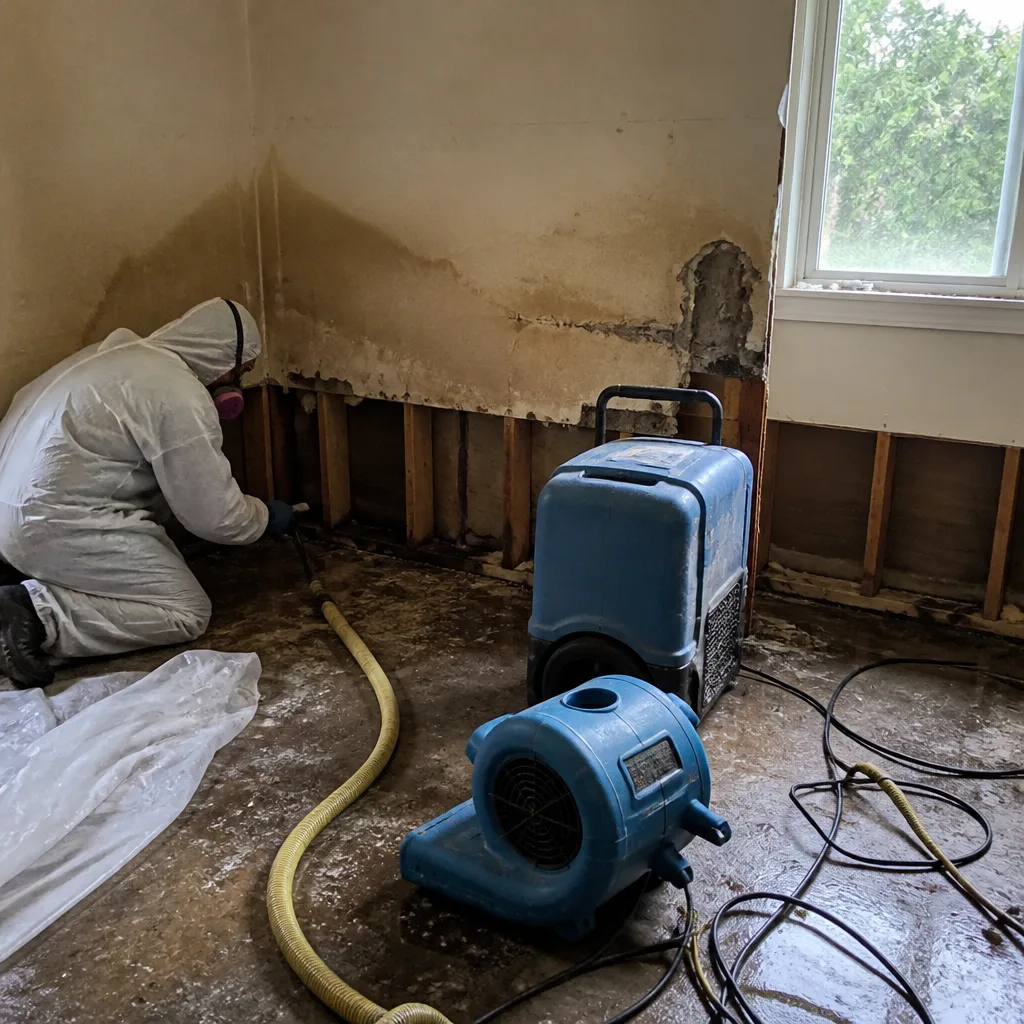 Before
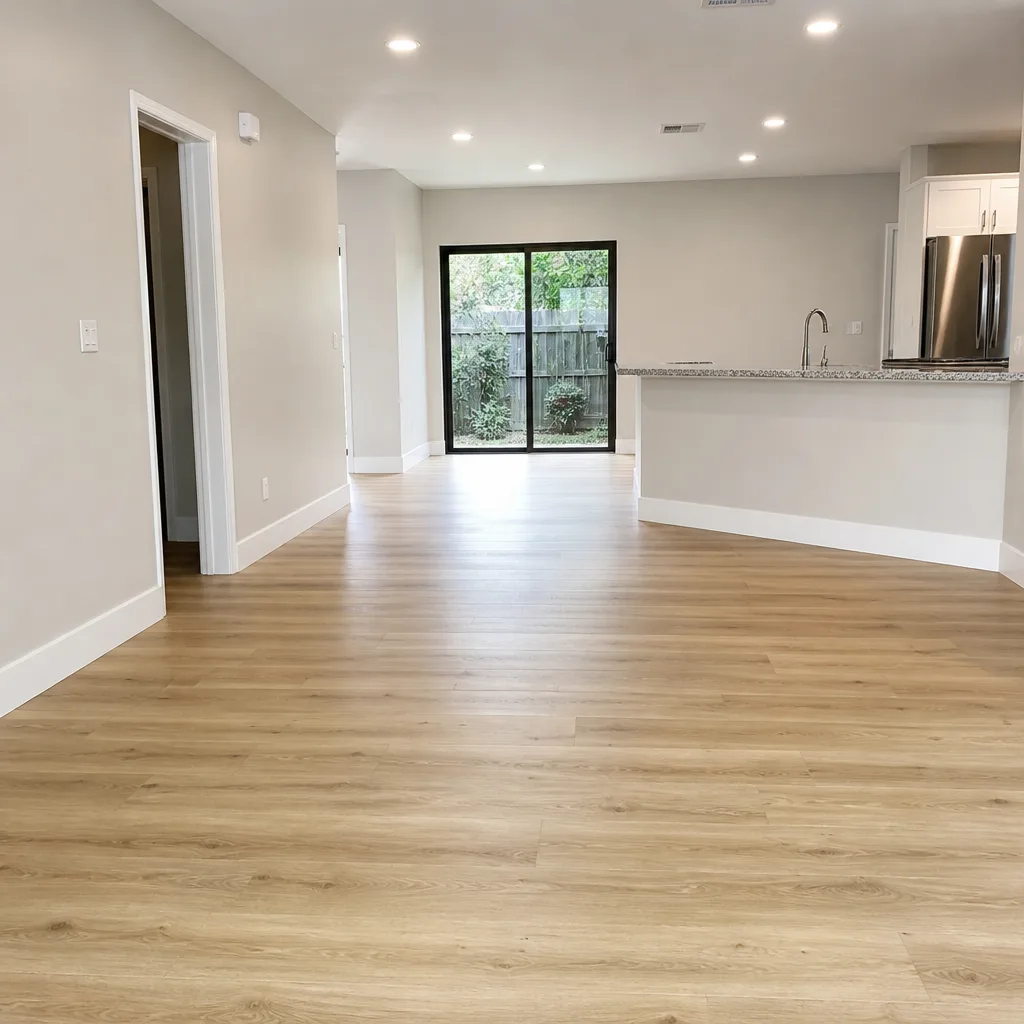 After
After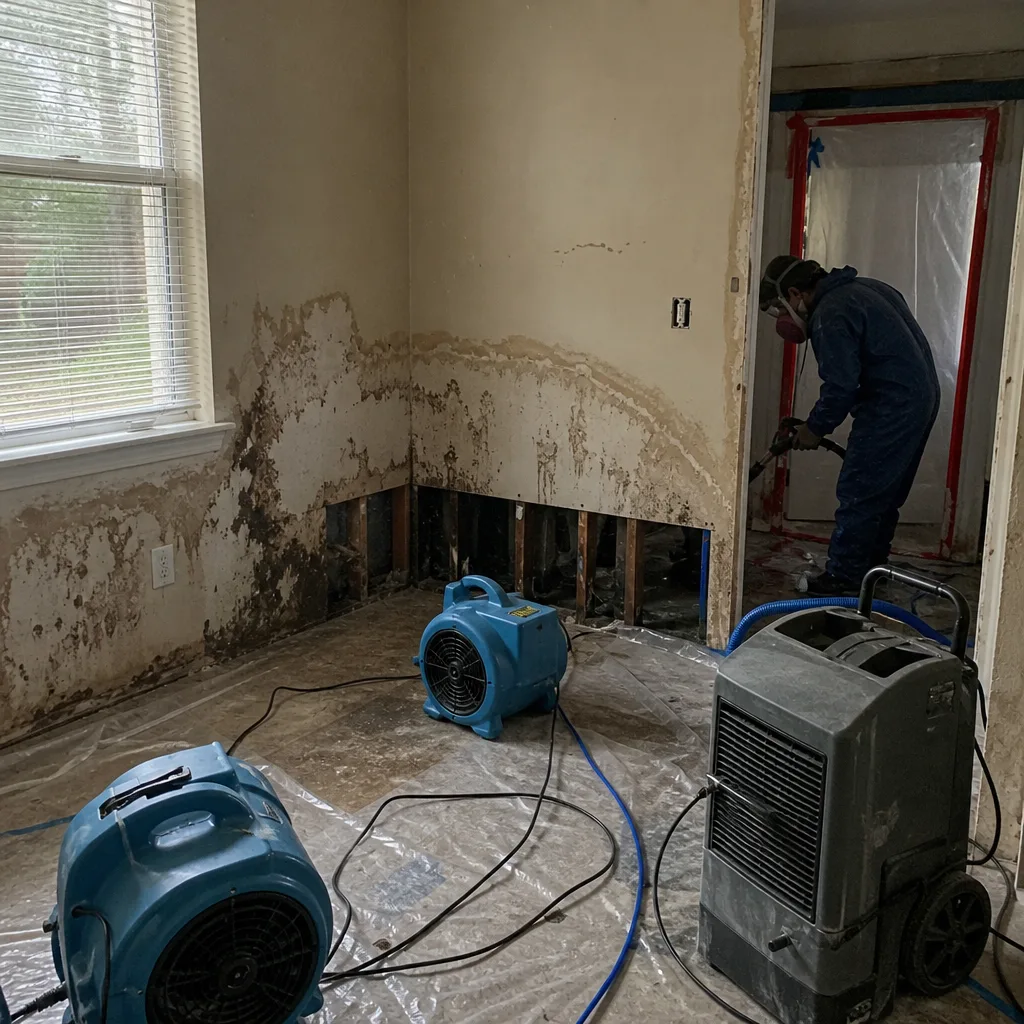 Before
 After
After Before
 After
After