
Last updated October 16, 2026
 Water damage drying
 Fire & smoke cleanup
 Mold remediation
 Storm response
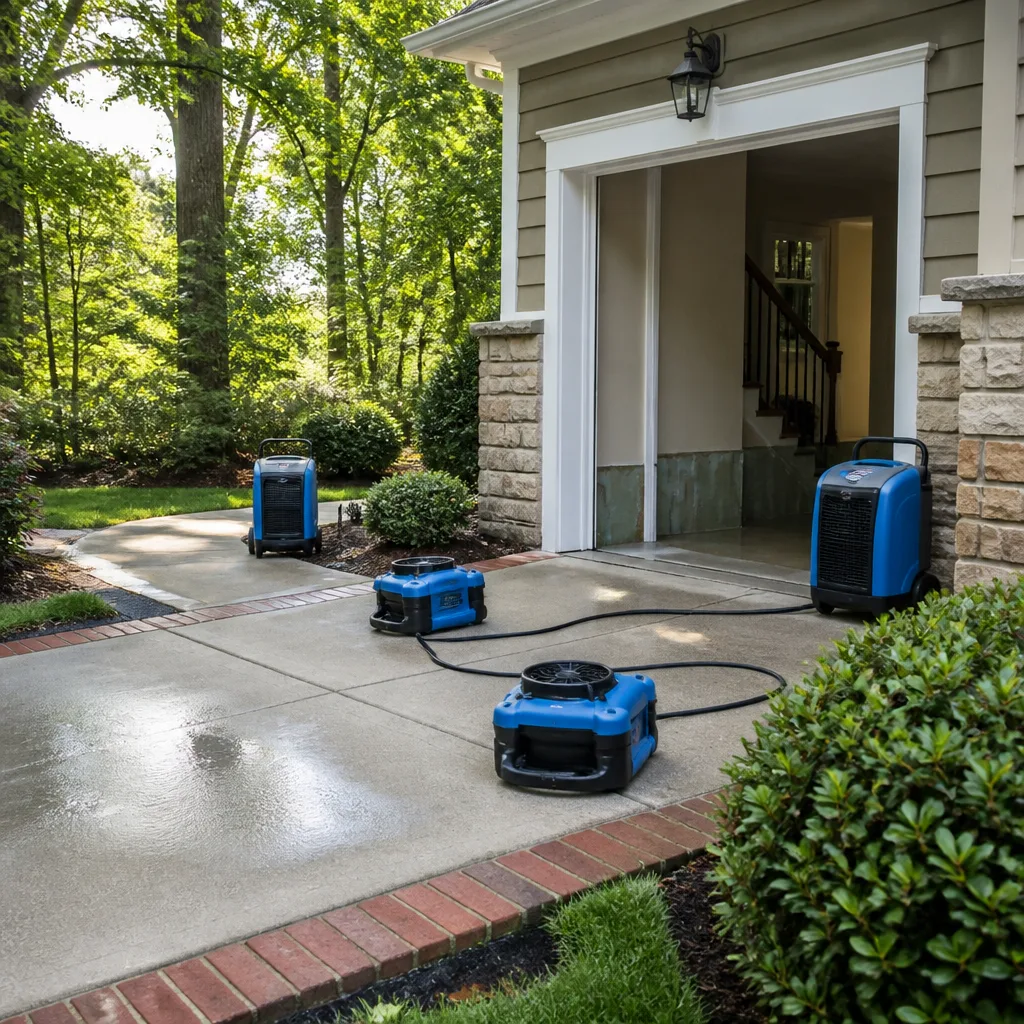 Sewage cleanup
 Reconstruction
Free visual inspection and a written scope of work before any mitigation begins - photos, moisture readings, and drying logs go in your claim file
The scope we write is the scope we bill. Anything new gets shown to you, in writing, before we touch it.
Get your free estimateThe Complete Guide to Damage Restoration in West Palm Beach
The average West Palm Beach home sits fewer than 12 feet above sea level. That single fact means groundwater can push upward through a concrete slab during a moderate rain event before a single drop ever touches your roof. Most damage restoration guides start at the visible puddle. This one starts earlier, because in West Palm Beach, the water that hurts you often arrives from below, rises with the water table, and travels through building materials in ways that are invisible for days. You’ll learn the three water pathways unique to South Florida homes, what a tide mark is and why it matters, how pricing should work before anyone picks up a tool, and the documentation that separates a real restoration from a surface dry.
Restoration work we handle
Quick Answer
Damage restoration in West Palm Beach means identifying how water, mold, or fire has affected a home, then drying, cleaning, and rebuilding with a documented process that prevents secondary damage. In coastal South Florida, the three most common water pathways are surface intrusion from storms, below-grade wicking through concrete slabs, and HVAC condensate overflow, and each requires a different drying protocol. A reputable West Palm Beach restoration company will classify the water under IICRC S500, give you a written price before starting, and stand behind the work for at least a year, not the standard 90 days. For more on what to expect, see our Damage Restoration Cost Breakdown: The West Palm Beach Homeowner’s Reference for 2026.
Table of Contents
- The Three Water Pathways Unique to West Palm Beach Homes
- What Chasing the Tide Mark Actually Means
- Category 1, 2, and 3 Water: Why Classification Drives Everything
- The Written-Price Standard and Why Verbal Estimates Fail
- What a Proper Drying Protocol Looks Like in a Coastal Climate
- Mold and Fire Restoration: The Same Standard, Different Science
- Common Mistakes to Avoid
- When to Call a Professional
- Frequently Asked Questions
- The Bottom Line
The Three Water Pathways Unique to West Palm Beach Homes
West Palm Beach sits on a shallow aquifer system where the water table can rise to within inches of the surface during the rainy season, which runs from May through October. This creates three distinct water pathways that most national restoration guides never mention because they’re written for homes in drier climates.
Surface intrusion is the one everyone understands: storm water, a burst supply line, or an overflowing appliance. Water comes from above or at grade and flows across floors, under baseboards, and down wall cavities. It is the easiest to see, which makes it the one homeowners catch first.
Below-grade wicking through concrete slabs is the one that surprises people. Concrete is porous. When the water table rises after heavy rain or a high tide event paired with saturated ground, hydrostatic pressure pushes moisture up through the slab. The first sign is often not a puddle but a persistent musty smell, buckling laminate in the center of a room, or tile that feels cool and damp even when the air conditioning has been running all day. By the time you see it, the moisture has usually been moving through the slab for weeks. This pathway requires a different drying approach entirely because the moisture source is beneath the floor, not on top of it.
HVAC condensate overflow is the quiet one. In West Palm Beach, air conditioners run nearly year-round and produce gallons of condensate daily. The drain line is typically a narrow PVC pipe that runs through the attic, down a wall, and outside. When that line clogs with algae or dust, the water backs up and spills into the ceiling, down wall cavities, or onto a closet floor. Because this happens during normal operation, not a storm, homeowners often miss it for days or weeks. The damage is real, it is ongoing, and it feeds mold in dark, warm, enclosed spaces that nobody looks at until a stain appears on the ceiling.
Each of these pathways demands a different drying strategy. Surface intrusion needs extraction, containment, and directed airflow. Below-grade wicking needs slab evaluation, potential subfloor removal, and extended dehumidification. Condensate overflow needs source repair before drying is even meaningful, because if the HVAC is still dripping, the drying equipment is fighting a live water source. In our experience in West Palm Beach, the largest claims we see are not the dramatic storm floods; they are the slow, unseen pathways that ran for weeks before anyone noticed.
For a full walkthrough of what surface and slab water damage restoration involves, start with our page on Water Damage Restoration in West Palm Beach.
What Chasing the Tide Mark Actually Means
A tide mark is the line water leaves on a wall as it rises and then recedes. It is the first thing our technicians look for on every job because it tells us where the water actually went, which is almost never the same as where the homeowner can see water. Water travels through drywall, insulation, and floor assemblies by capillary action. It wicks upward against gravity, moves laterally through stud bays, and saturates materials far beyond the visible wet zone. The tide mark records that journey.
Chasing the tide mark means using moisture mapping equipment to trace the water’s full path and then drying past it. The tools we use are thermal imaging cameras that read surface temperature differences and pin-type or pinless moisture meters that measure moisture content inside materials. Thermal imaging reveals evaporative cooling, wet materials read as cooler surfaces, so a thermal camera can show the water’s extended reach through a wall even when the drywall feels dry to a hand. Pin meters confirm what the camera suggests by measuring moisture content at specific depths.
Here is what that process looks like step by step:
- Visual inspection of the tide mark, the visible water line, and any staining or discoloration.
- Thermal imaging scan of the room and adjacent rooms, including the ceiling and the opposite side of every wet wall.
- Pin meter readings taken in a grid pattern, typically every 12 to 24 inches along the affected wall, floor, and any concealed cavities.
- Moisture map documented with photos and readings, which becomes the baseline for the drying plan.
- Containment and equipment placement based on the map, not on guesswork.
- Daily readings and adjustments until every reading returns to the dry standard for that material, not just until the visible area feels dry.
In West Palm Beach, this matters more than in drier climates because ambient humidity stays high enough to slow evaporation. A wall that “feels dry” to a palm can still hold 20 percent moisture content, which is enough for mold to grow inside the cavity. The tide mark is the map. Chasing it means drying past it, not just to it.
Category 1, 2, and 3 Water: Why Classification Drives Everything
The IICRC S500 is the standard for professional water damage restoration, and the first decision it requires is classifying the water. That classification changes the products we use, the protective steps we take, and the documentation we are required to produce. Here is the plain-language version.
Category 1 water comes from a sanitary source: a broken supply line, a faucet, a water heater failure where the water has not contacted anything contaminated. It is clean when it leaves the pipe. If it is addressed quickly, the affected materials are often salvageable, and the drying protocol is straightforward. However, Category 1 water does not stay that way. After 48 to 72 hours in a warm Florida home, it reclassifies to Category 2 or 3 based on bacterial growth and contact with building materials.
Category 2 water contains significant contamination: washing machine overflow, dishwasher discharge, or toilet overflow with urine but no solid waste. This water can cause discomfort or sickness if ingested and requires different treatment: removal of affected porous materials, biocide application on hard surfaces, and documented drying with more aggressive equipment.
Category 3 water is grossly contaminated: sewage backups, storm surge water from a hurricane, groundwater, or any water that has been sitting for days. It contains pathogens, and the restoration protocol changes completely. Porous materials like carpet, pad, drywall, and insulation are removed and disposed of, not dried. Structural components are cleaned, treated, and then dried. Personal protective equipment is mandatory. The documentation requirement is higher, and the health stakes are real.
Here is the classification table we use to explain the differences to homeowners:
- Category 1 – Sanitary source, no contamination. Examples: supply line, faucet, water heater. Typical action: extraction and drying within 24 to 48 hours. Most materials salvageable.
- Category 2 – Significant contamination. Examples: washer overflow, dishwasher discharge, toilet overflow without solids. Typical action: remove affected porous materials, clean and treat hard surfaces, dry with containment. Some materials removed.
- Category 3 – Grossly contaminated. Examples: sewage backup, storm surge, groundwater. Typical action: remove and dispose of porous materials, decontaminate structural elements, full PPE protocol, documented drying plan. Most porous materials removed.
In West Palm Beach, the classification question comes up constantly because of the water table. A flooded garage after a heavy afternoon storm is almost certainly Category 3 because groundwater has risen through the slab or flowed in from the street, carrying whatever was in the soil and storm drains. Homeowners sometimes assume it is “just rain water,” but under IICRC S500, storm and groundwater are not Category 1. The classification drives whether you are drying a carpet or removing it, and it is not a judgment call the homeowner should have to make without explanation.
The Written-Price Standard and Why Verbal Estimates Fail
The Cedarwell Care Promise, the standard we work to at Tidemark Water Damage West Palm Beach, has one non-negotiable rule: a written price is delivered before any work starts, on every job, with no exceptions. Our Damage Restoration Permits, Codes & Inspections in FL: What You Need to Know explains why documentation matters at every stage. That is not a marketing line; it is a structural answer to a real problem in this industry.
Verbal estimates are legally ambiguous. A homeowner who agrees to “around $4,000” over the phone has no written scope, no breakdown of line items, and no protection when the final invoice comes in at $6,800 because “the job grew.” In water damage restoration, the job does grow; that part is real. A wall that looked damp on day one can reveal a saturated floor assembly on day three. The problem is not scope changes; it is scope changes without documentation, notice, and a revised written price before the work continues.
A written price does several things that a verbal estimate cannot. First, it forces the restoration company to state what it will do, what equipment it will use, and what it will charge before the first piece of equipment comes off the truck. Second, it gives the homeowner a document to compare against the final invoice. Third, and this matters most to families with children and pets, it names what will be protected and how: shoe covers go on at the door, drop cloths cover the floor before any tool is carried in, and the cleanup standard is specified in writing, not assumed.
Here is what a written scope from a proper restoration company in West Palm Beach should include:
- Water classification under IICRC S500, stated plainly: Category 1, 2, or 3, and why.
- Affected area list with measurements: which rooms, which walls, what floor assembly.
- Equipment list with quantities and placement: how many air movers, dehumidifiers, and containment chambers, and for how many days.
- Moisture map baseline with starting readings, so drying progress can be tracked against a documented starting point.
- Removal vs. drying determination for each affected material: what is salvageable under the standard, what is not, and the cost of replacement.
- Line-item pricing for every phase: extraction, drying, demolition, cleaning, and rebuilding where applicable.
- Cleanup and protection commitments in writing: floor protection, furniture moving, pet-safe product choices, and a photo of the clean-up before crew departure.
Rick Sumner, owner at Tidemark Water Damage West Palm Beach, puts it this way: a written price is the only way a homeowner can agree to work without agreeing to a blank check. Most jobs in a single-family West Palm Beach home run in a predictable range depending on the classification and square footage, and you should see that number in writing before the first fan is plugged in.
What a Proper Drying Protocol Looks Like in a Coastal Climate
Drying a home in West Palm Beach is not the same as drying a home in Phoenix or Atlanta. The ambient relative humidity here is high enough year-round that evaporation happens slowly, which is exactly what you do not want during restoration. The goal is fast, controlled evaporation followed by dehumidification, and the equipment and sequencing have to match the climate.
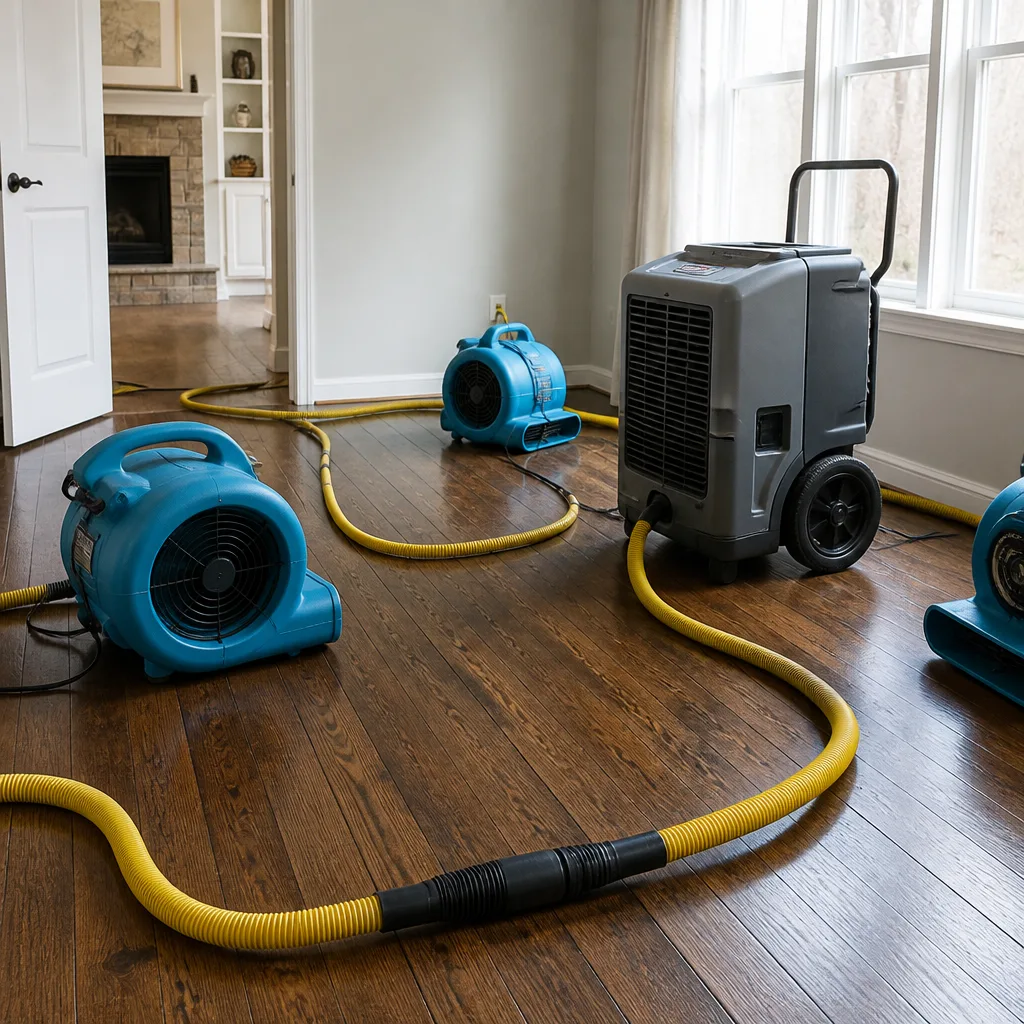
A proper drying protocol starts with extraction. Standing water is removed with truck-mounted or portable extraction units. The more water removed mechanically, the less has to be evaporated into the air, and the faster the structure dries. After extraction, the real work begins. Air movers create airflow across wet surfaces to speed evaporation. Dehumidifiers pull moisture out of the air so that the air can accept more evaporation. In a coastal climate, dehumidification is the limiting factor, not airflow, because the ambient air is already near saturation.
The equipment brands matter because capacity and reliability vary. We run Dri-Eaz and Phoenix dehumidifiers, which move large volumes of air and pull water out at high grain-per-pound rates, plus XPOWER air movers and B-Air units for targeted drying. The machines are professional-grade because the job demands it: a homeowner-grade dehumidifier cannot pull enough water out of a saturated wall cavity in a reasonable window.
Here is the sequence we follow on a typical West Palm Beach water damage job:
- Extraction of all standing water, typically within the first hour of arrival.
- Containment of the affected area with plastic barriers to focus drying on the wet zone.
- Equipment placement based on the moisture map: air movers every 10 to 14 linear feet of wet wall, dehumidifiers sized to the cubic footage and water load.
- Daily monitoring with pin meter readings at the same grid points, adjusting equipment placement as the drying front moves through the material.
- Dry standard confirmation against the IICRC S500 dry standard for each material type, not a “feels dry” judgment.
- Equipment removal and final documentation including a moisture map showing the structure returned to dry standard, plus a photo of the cleaned area before the crew leaves.
The drying window matters. In West Palm Beach, mold can establish in 48 to 72 hours after a water event. That is not fear language; it is the biological reality of warm, humid air and porous building materials. A fast, documented drying protocol is the difference between a one-week restoration and a mold remediation that runs for weeks and costs multiples more. If you are dealing with a current water event, our Water Damage Restoration in West Palm Beach page covers the full scope of what we do from first call to final reading.
Mold and Fire Restoration: The Same Standard, Different Science
Mold and fire restoration share the same operating standard as water work: written price first, documented process, a real dry or clean standard, and a warranty that outlasts the typical 90-day workmanship guarantee. The science differs, and so do the health and safety stakes.
Mold remediation in West Palm Beach is driven by moisture, and moisture is everywhere here. The same slab wicking and HVAC condensate pathways that cause water damage become mold sources when they run unaddressed for weeks. Mold remediation starts with containing the affected area to prevent spores from spreading during removal, then removing affected porous materials, treating hard surfaces with antimicrobial products, and drying the space to below the mold-growth threshold. The critical distinction: you cannot remediate mold without fixing the moisture source. A mold job that ends with a dry, clean, treated space but a still-leaking condensate line is a future mold job.
For mold specifically, we use pet-safe products where a choice exists. That matters to families with children and pets because the chemicals used in remediation should not leave a hazardous residue in a nursery or a kitchen. The product choice is named in the written scope, not hidden in a line item. Full details are on our Mold Remediation in West Palm Beach page.
Fire damage restoration involves different contaminants: soot, smoke residue, and often water from the fire suppression effort. The cleanup protocol addresses both the fire damage and the water damage simultaneously, because a fire in a West Palm Beach home usually means a soaked structure underneath the char. Soot is acidic and corrosive; it etches surfaces and damages electronics if it sits. The restoration sequence is debris removal, soot cleaning, odor treatment, and then structural drying and rebuilding. Each home is different because the burn pattern, the materials involved, and the smoke travel path all change the scope. Our Fire Damage Restoration in West Palm Beach page walks through the full process.
Both mold and fire work carry an insurance component. Photo documentation of the entire process, from initial assessment to final clearance, is standard on our jobs. That documentation is what adjusters need to process a claim accurately, and it is what protects the homeowner if there is ever a dispute about what was damaged and what was done. We shoot before, during, and after, and we share the final clean-up photo before the crew leaves.
Common Mistakes to Avoid
- Waiting to call because “it’s just a little water.” In West Palm Beach humidity, a “little water” in a wall cavity becomes mold in 48 to 72 hours. The fastest call is always the cheapest call.
- Drying only the visible wet area. Water wicks through drywall and floor assemblies far beyond the visible puddle. The tide mark tells the real story, and you need moisture mapping equipment to read it.
- Accepting a verbal estimate. A verbal number is not a contract. Without a written scope and price, you are exposed to final invoices that bear no relation to the phone conversation.
- Using household fans and a big-box dehumidifier. A homeowner-grade dehumidifier cannot pull enough moisture from saturated building materials in a reasonable window. The equipment capacity needs to match the water load.
- Ignoring the water class. Category 3 water, which includes storm water and groundwater, requires material removal, not drying. Treating it like Category 1 water puts your family’s health at risk.
- Skipping the source fix. Drying a home without repairing the condensate line, the slab crack, or the roof penetration means the same damage returns, often worse, because the moisture has had more time to travel.
- Not documenting anything. Photos, moisture readings, and a written scope are your insurance file. In a claim dispute, documentation is the difference between a covered loss and a denied one.
When to Call a Professional
Call a professional when the water is not from a sanitary source, when you cannot see where the water stopped, when the affected area includes drywall or flooring rather than a hard surface, or when the water has been present for more than 24 hours. Those are the conditions where the unseen damage exceeds the visible damage, and where a documentation-backed process matters for insurance. Call a professional for any mold you can smell but cannot see, and for any fire event beyond a stovetop pan fire, because soot and smoke contamination require specialized cleaning. Rick Sumner and the team at Tidemark Water Damage West Palm Beach answer the phone 24 hours a day, 7 days a week, with a real person. Estimates are free in West Palm Beach. Call (728) 231-8456 and you will get a live voice, not a callback queue.
Frequently Asked Questions
Most Category 1 water damage jobs in West Palm Beach dry in 3 to 5 days with professional equipment, while Category 2 and 3 jobs that involve material removal can run 7 to 14 days depending on the affected area and whether reconstruction is needed. The drying window is longer in our climate because high ambient humidity slows evaporation, which is why dehumidification is the limiting factor more than airflow. Call (728) 231-8456 for a tailored timeline based on your home’s specific damage.
Most standard Florida homeowners policies cover sudden and accidental water damage, like a burst supply line or storm intrusion, but not gradual damage from a long-running leak or groundwater seepage, which many insurers classify as a maintenance issue or flood. The coverage question depends on the water source, the cause of loss, and your specific policy language. Photo documentation and a written scope from your restoration company make the claims process smoother, and we coordinate directly with adjusters on every job. Call us for a free assessment and we’ll help you understand what your policy likely covers.
Water damage restoration is the process of extracting water and drying a structure before mold can establish, while mold remediation is the process of containing, removing, and treating mold growth that has already occurred, plus fixing the moisture source that fed it. In West Palm Beach, the two blur together because the climate pushes mold growth to begin within 48 to 72 hours of a water event. The same company should handle both, because remediation without source repair is a temporary fix.
For Category 1 water damage confined to one room, most families stay in the home, though the drying equipment runs continuously and is loud, so we run lower-decibel settings during school hours and nap time where possible. For Category 3 water, mold remediation, or fire damage affecting large areas, temporary relocation is often the right call for health and comfort, and your insurance policy may cover the cost under additional living expenses. The decision depends on the water class and the affected area, not on a one-size rule.
A standard 90-day workmanship guarantee covers obvious installation defects that appear within the first three months. The 365-Day Done Right Promise, the standard at Tidemark Water Damage West Palm Beach, covers the full restoration for a year: if the work was not done right, we make it right, whether that means a drying failure that shows up months later, a mold recurrence from a missed moisture source, or a quality issue with the rebuild. Water damage problems sometimes appear slowly, so a 90-day window is not long enough for a homeowner to know whether a restoration actually worked.
A live person answers the phone 24/7, and a crew can typically be at your home within hours for active water intrusion, because extraction in the first 24 hours is the single biggest factor in how much of your home is salvageable. For mold remediation and fire restoration, scheduling is typically within 48 to 72 hours because the work benefits from a planned, documented approach rather than an emergency response. Call (728) 231-8456 and tell us what you’re seeing, and we’ll tell you honestly how fast we can be there and what the first steps will be.
The Bottom Line
Damage restoration in West Palm Beach is not a single event. It is a continuous cycle driven by salt air, high humidity, a water table that lives just below your slab, and a hurricane season that overlaps with the rainy season. The water you see is rarely the whole story; the tide mark tells the rest, and chasing it with moisture mapping and thermal imaging is what separates a real restoration from a surface dry. What protects your family is the written price before work starts, the classification of the water under IICRC S500, and a warranty that stands longer than 90 days. When the next water event happens, and in this climate it will, call Rick Sumner and the team at (728) 231-8456 for a free estimate and a written scope, or explore more guides & resources on protecting your home. We answer live, we explain before we act, and we leave your home with a photo showing exactly what was done and how it was left.
Written by Rick Sumner, Owner at Tidemark Water Damage West Palm Beach, serving West Palm Beach since 2006.
See the difference
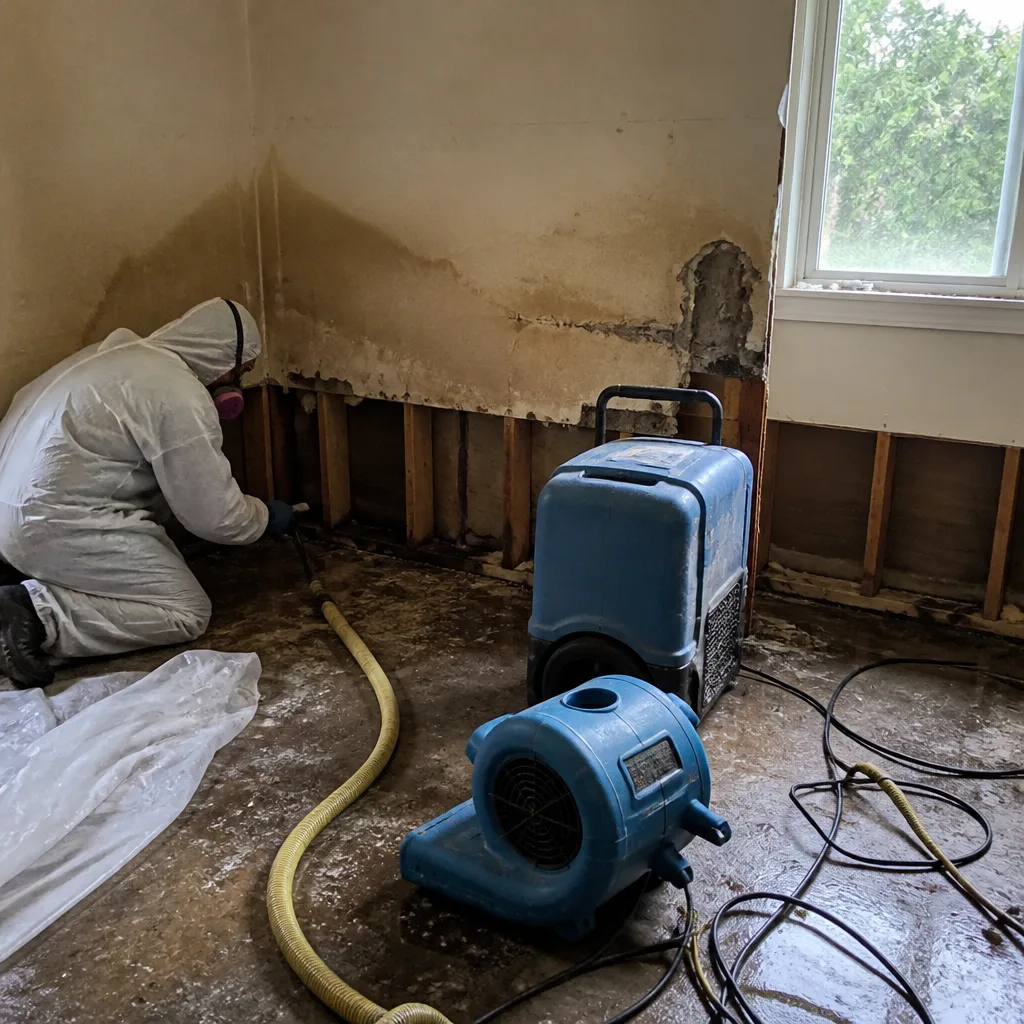 Before
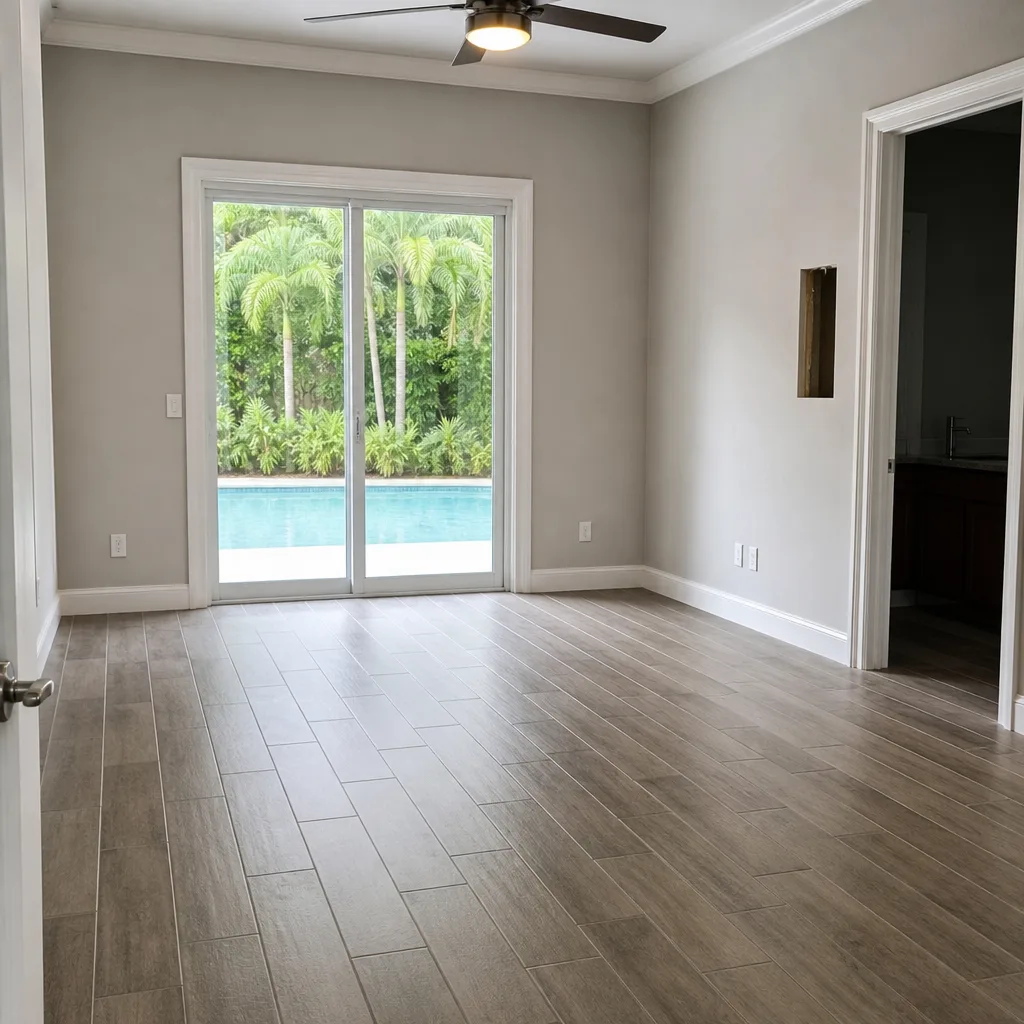
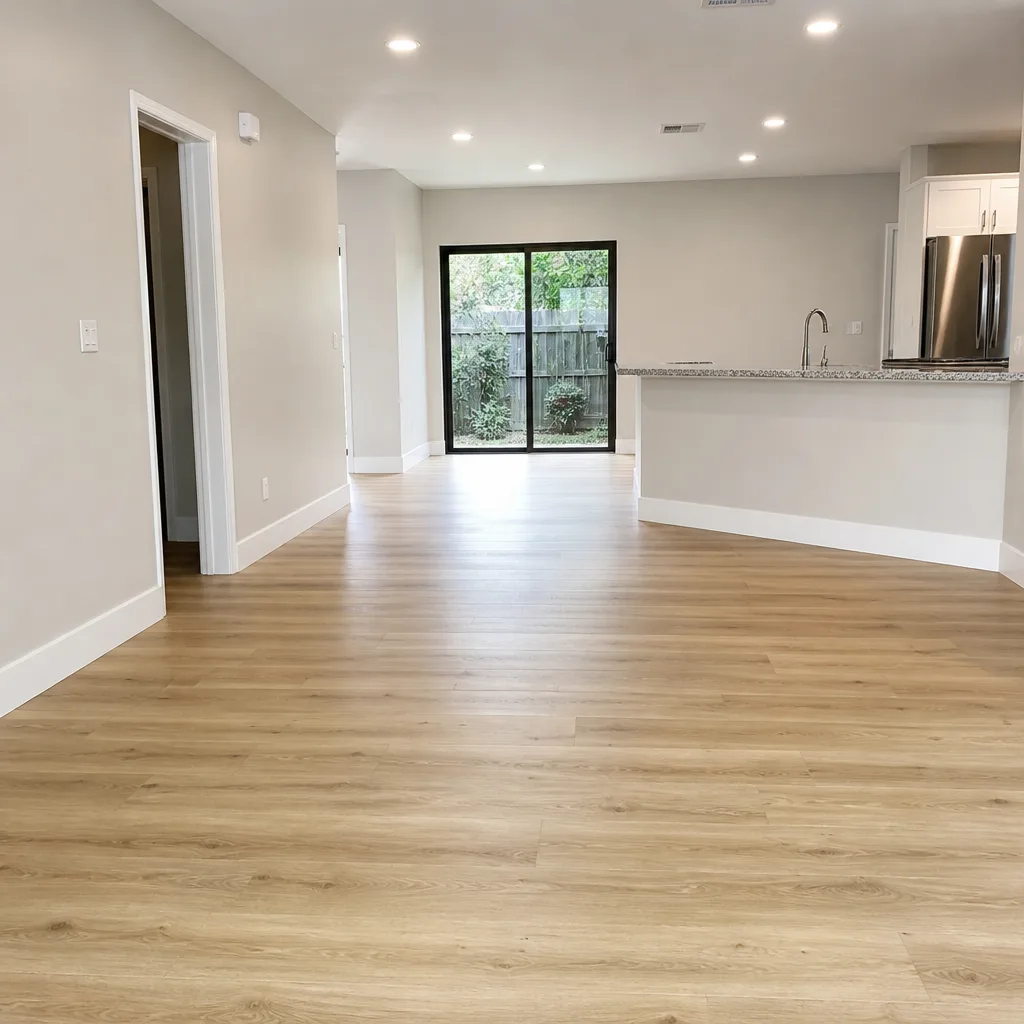 After
After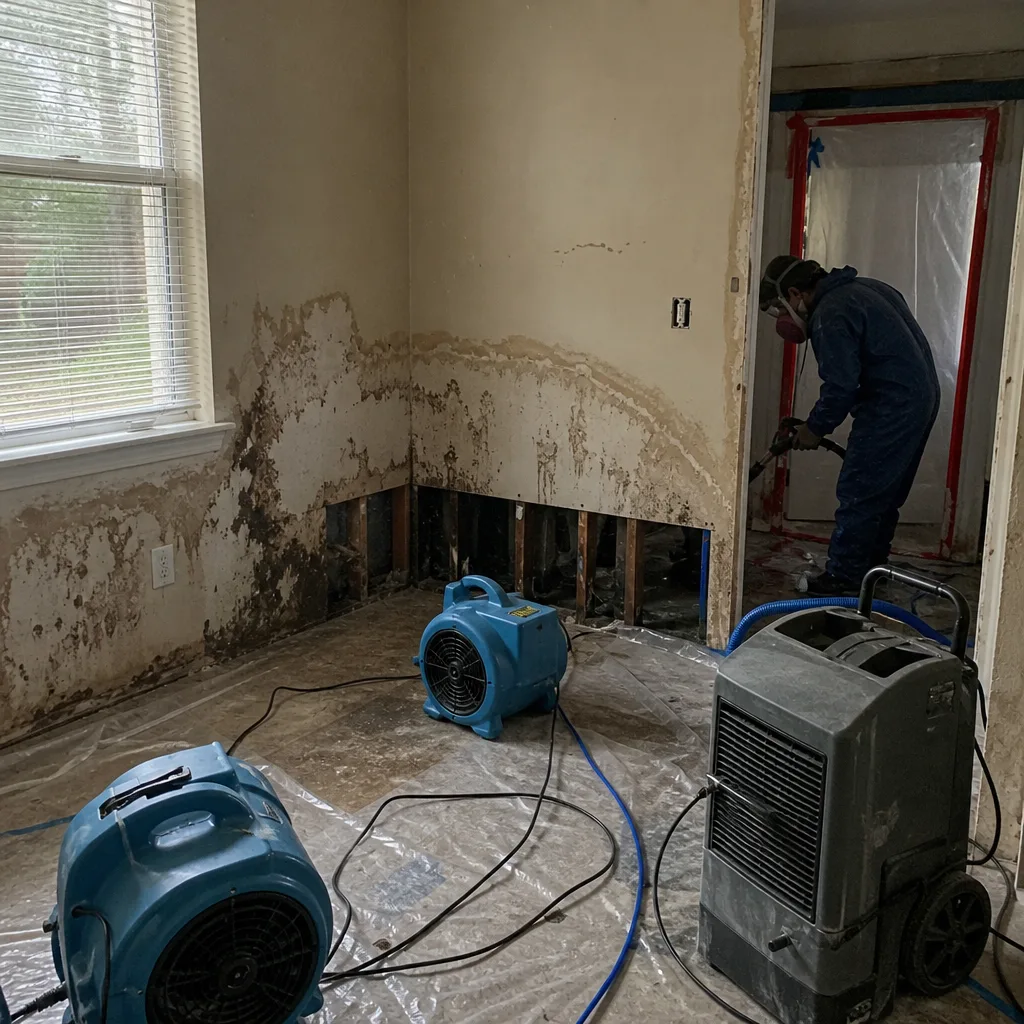 Before
 After
After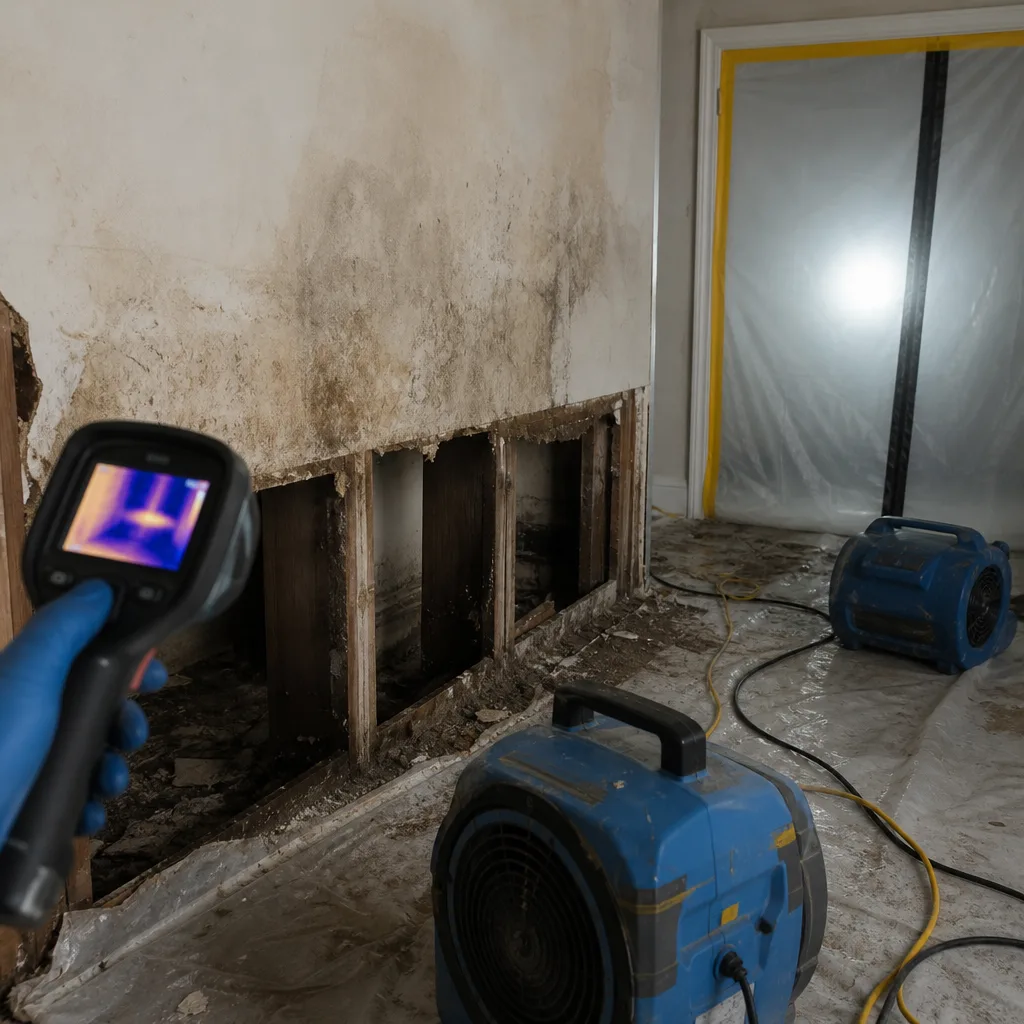 Before
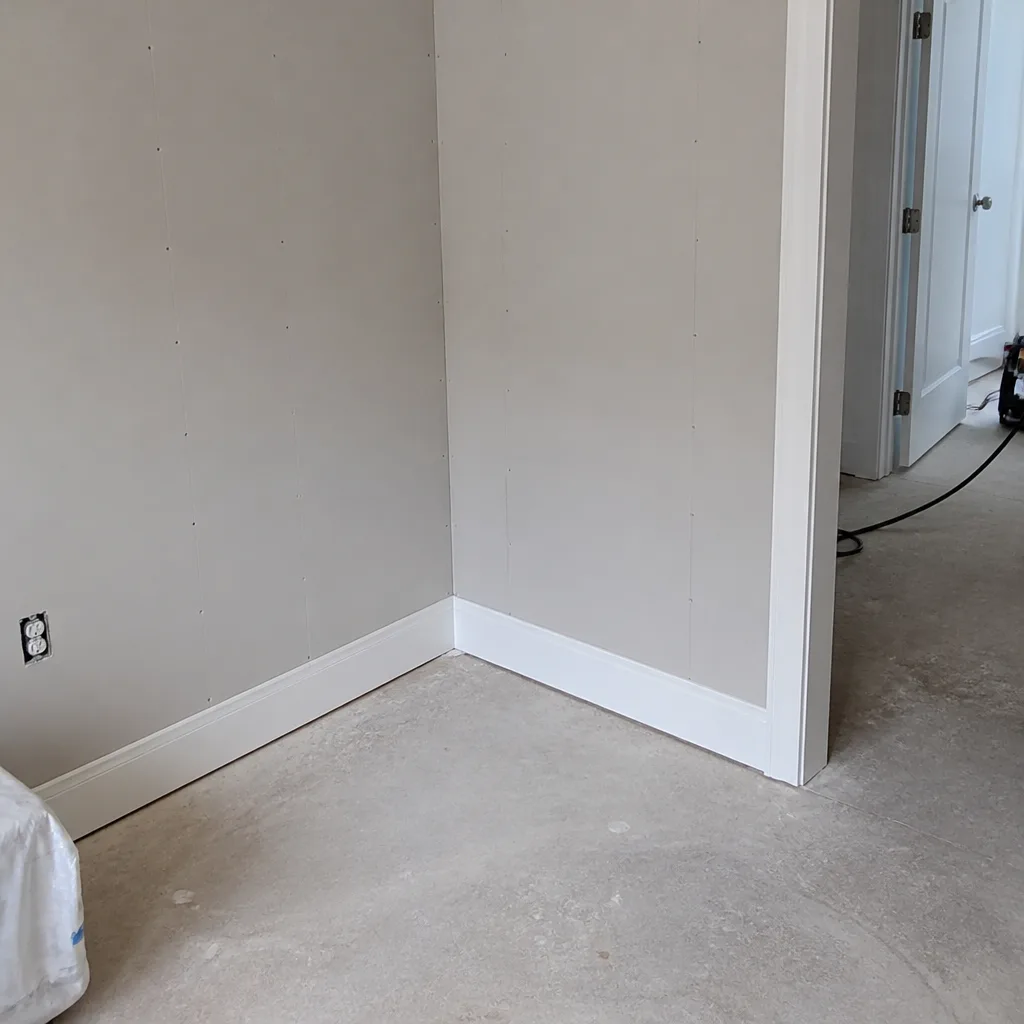 After
After